|
Greener Journal of Biological Sciences Vol. 3 (8), pp. 307-318, October, 2013 ISSN: 2276-7762; ICV: 5.99 Copyright ©2013, the copyright of this article is retained by the author(s) DOI Link: http://doi.org/10.15580/GJBS.2013.8.100913894 http://gjournals.org/GJBS |
|
Physicochemical and Microbial Screening of Palm Oil Mill Effluents for Amylase Production
OHIMAIN Elijah I.*, IZAH Sylvester C. and JENAKUMO Nimi
Greener Journal of Biological Sciences, vol. 3 (8), pp. 307-318, October, 2013
Food and Industrial Microbiology Research Unit, Department of Biological Sciences, Faculty of Science, Niger Delta University, Wilberforce Island, Bayelsa State, Nigeria.
|
ARTICLE INFO |
ABSTRACT |
|
|
Article No.: 100913894 Type: Research DOI: 10.15580/GJBS.2013.8.100913894
|
With the advent of biotechnology, several industries are dependent on enzyme for production processes. This study evaluated the physicochemical and microbiological quality of POME for amylase production. Triplicate POME samples were collected aseptically from semi-mechanized oil palm processing mills in Bayelsa state, Nigeria. The physicochemical properties of the POME samples were determined using standard analytical procedures. The results of the physicochemical quality assessment result were 6.56 (pH), 4.69 mg/l (DO), 1806.33 mg/l (COD), 382.93 mg/l (BOD), 8.18 mg/l (PO43-), 19.64 mg/l (K), 12.87 mg/l (N), 73.07 mg/l (oil and grease), 0.03 mg/l (Cd), 2.44 mg/l (Cu), 5.62 mg/l (Fe) and 2.01 mg/l (Cr). The microbial populations of the samples were1.3 x 105 cfu/ml and 6.9 x 10³ cfu/ml for total heterotrophic bacteria and total fungi respectively. The bacteria isolates are Micrococcus species, Bacillus species, Pseudomonas species, Staphylococcus aureus, while the fungi isolates are Aspergillus niger, Aspergillus fumigatus, Candida species, Fusarium species, Mucor species and Penicillium species. Of bacterial isolates, Micrococcus species and Staphylococcus aureus has the highest and least occurrence frequency of 34% and 13% respectively, while in fungi isolates Penicillium species and Fusarium species has the highest and least isolates with 23% and 7% respectively. Of the microbial isolates of POME, Bacillus species, Pseudomonas species, Staphylococcus aureus, Penicillium species, Fusarium species, Mucor species, Candida species and Aspergillus niger were predominant for the production of amylase. This amylase can be utilized in several industrial/biotechnological sectors including biofuels. |
|
|
Submitted: 10/09/2013 Published: 28/09/2013 |
||
|
*Corresponding Author Elijah I. Ohimain E-mail: eohimain @yahoo.com Phone: +234 803 7306 520 |
||
|
Keywords: Amylase, biotechnology, lipase, microbial amylase, palm oil mill effluents (POME), physicochemical |
||
|
|
|
INTRODUCTION
Oil palm (Elaeis guineensis Jacq) is a versatile monoecious oil bearing plant that thrives in tropical and subtropical regions of the world. Oil palm requires climatic condition of 1800 – 5000 mm/year (rainfall) (Embrandiri et al., 2012), 17 - 28ºC (temperature) and >75% (relative humidity) (Poku, 2002). Oil palm is propagated by seed. It requires nursery for a period of 9 – 12 months before being planted in the plantation. The economic plant starts bearing fruit at 3 to 5 years and reaching optimal yield at 10 years from planting. Oil palm has an economic life value of 20 – 30 years and life span of about 200 years. Global oil palm cultivation has been dominated majorly by Indonesia and Malaysia and to a lesser extent by Colombia, Thailand and Nigeria. These countries combined to produce over 93% of global oil palm output. In Nigeria, about 80% of the oil palm industry is dominated by smallholders who typically use rudimentary equipment for processing (Ohimain et al., 2012a, b) and to a lesser extent by semi-mechanized processors. The mechanized processing mills are located mainly in southern Nigeria where the oil palm is found in both wild and plantations. The fresh fruit bunch (FFB) is harvested from the plant and transported to the mill. During oil palm processing activities bruises occur leading to microbial infestation of the palm fruit, which enhanced the proliferation of lipolytic microorganisms that flourishes in crude palm oil. The action of these microorganisms leads to high free fatty acid content. Ohimain et al. (2012b), Izah and Ohimain (2013a) reported that high free acid found in palm oil lead to deterioration of quality especially their industrial application.
During oil extraction from FFB, three wastes streams are generated; solid (empty fruit bunch, palm press fiber and chaff) (Ohimain et al., 2013a; Rupani et al., 2010), liquid (palm oil mill effluents) (Ohimain et al., 2012c; Ohimain and Izah, 2013a; Ismali et al., 2010; Ugoji, 1997) and gaseous wastes (Ohimain et al., 2013b). Of particular concern is POME which has caused several environmental problems. Sridhar and AdeOluwa (2009), Awotoye et al. (2011) reported that the discharge of untreated POME into the ecosystem leads to the loss of biodiversity, soil deterioration and pollution of waterways. POME released to aquatic ecosystem turns water brown and smelly (Awotoye et al., 2011). The smelly nature of POME causes odor pollution (Er et al., 2011). To a large extent, pollution associated with POME discharge is due to high biological oxygen demand (BOD), chemical oxygen demand (COD), oil and grease it contain. POME contains complex polymers (carbohydrates, protein, lipids, minerals and nitrogenous compounds (Habib et al., 1997). POME is naturally thick, brownish containing colloidal slurry of water (95 – 96%), oil (0.6 – 0.7%), total solid (4 – 5%) and suspended solid (2 – 5%) (Onyia et al., 2001; Ahmad et al., 2005). The extraction of palm oil from FFB requires voluminous quantity of water and a large portion of the water end up as POME. Ohimain and Izah (2013a) reported that 72 – 80 liters of water are required to process one tonne of FFB by smallholders in Nigeria. Of these, 72 – 75% ends up as POME. Similarly, Ahmad et al. (2003), Okwute and Isu (2007), Wu et al. (2009) estimated that 5.0 – 7.5 tonnes of POME is generated from the voluminous quantity of water used in the processing of one tonne of FFB.
POME contain a diverse group of microorganisms such as acid forms and hydrocarbon degraders (Ohimain et al., 2012c).Oil palm being a major source of lipase producing microorganisms, several lipolytic bacteria, fungi and mold are capable of flourishing on it (Izah and Ohimain, 2013b), due to its nutrient content. Ohimain et al. (2012d), Wood et al. (1979),Borja et al. (1996) have variously reported micro and macro nutrient as part of POME mineral composition. Microorganisms are able to mineralize these nutrients to produce enzymes. POME microorganisms have found application in bioconversion of POME into useful and demanding products. Wu et al. (2009) stated that POME can be useful in the production of antibiotics, solvent, bio-fertilizer, bio-hydrogen, bio-insecticides, organic acids, polyhydroxyalkanoates and enzymes.
Microorganisms have become increasingly essential as producers of industrial enzymes (Alariya et al., 2013). Enzymes are vital proteins for the metabolic system of living organisms (Alves et al., 2002). Extracellular enzymes such as cellulase, amylase, xylanase, lignin peroxidase, pectinase, β-glucosidaseetc can be produced from POME. Amylases are derived from plants, animals and microorganisms (de Souza and Magalhães, 2010; Pandey et al., 2000). Like other extracellular enzymes, amylases are among the most vital enzymes that are useful in present day biotechnology advancement (Alariya et al., 2013; Pandey et al., 2000).Amylases have found applications as additives in detergents, saccharification of starch, food fermentation, textile, paper, fine-chemical, distilling, medical, pharmaceutical (Pathak, and Narula, 2013; Onofre et al., 2012; de Souza and Magalhães, 2010; Pandey et al., 2000), breweries, bioethanol, biodiesel industries. Several substrates have been employed for amylase production but POME has never been reported. Also the physicochemical and microbial quality of POME from semi-mechanized oil palm mill has not been reported. Hence, this study is focused on [a] assessment of microbial and physicochemical quality of POME from semi-mechanized palm oil processing mill in Bayelsa state, Nigeria, [b] screening of the microbial isolates for amylase production.
MATERIALS AND METHODS
2.1. Field Sampling
A semi mechanized oil palm processing mill was visited in Elebele, Bayelsa State, Nigeria on 03– 07June 2013. Triplicate samples of POME produced from the mill were collected aseptically with sterile microbiological bottles and sampling container for microbial and physicochemical analysis respectively for laboratory analysis. The process of POME extraction from FFB in the oil palm processing mill is presented in Fig. 1.
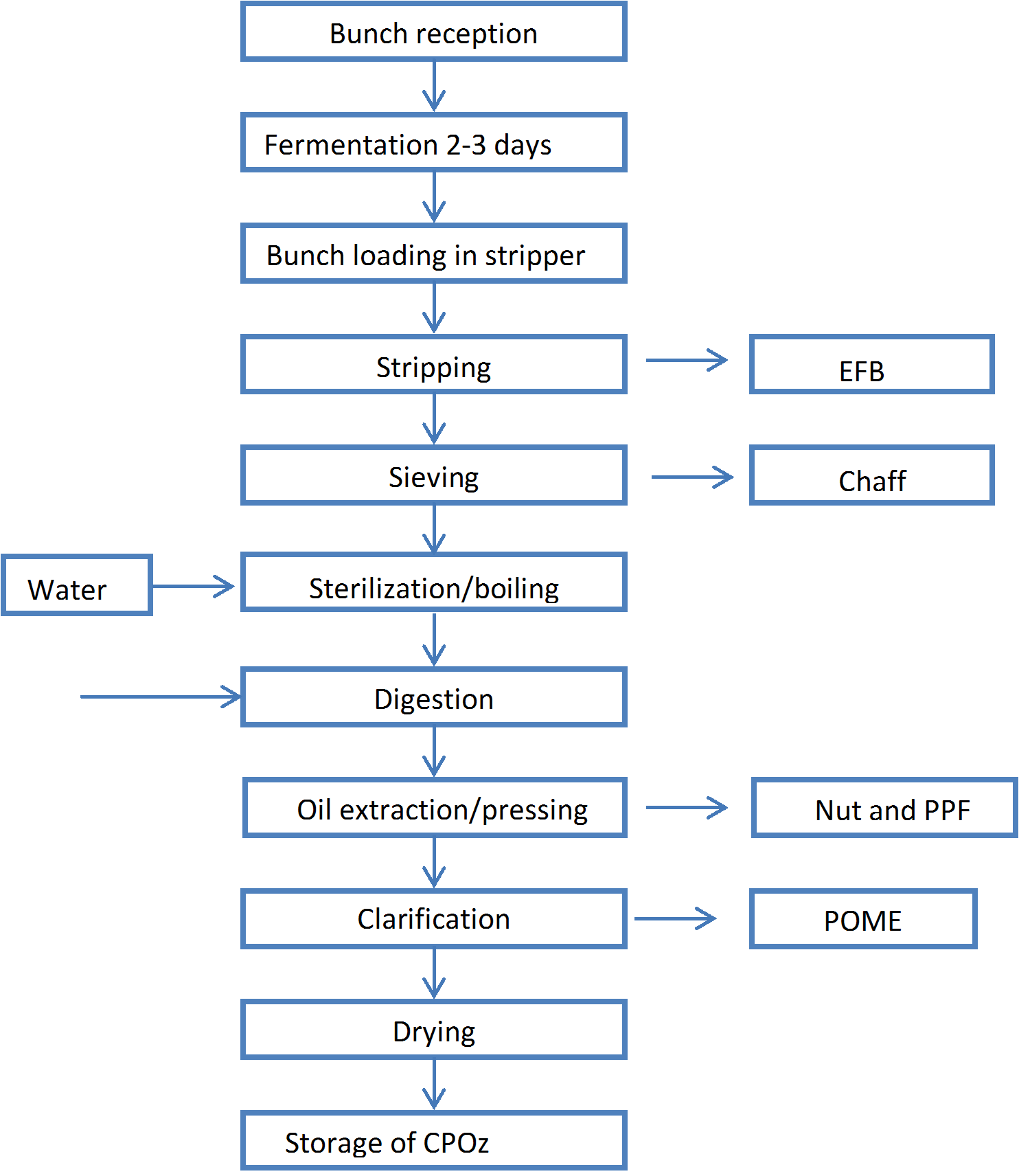
Fig 1: The processes of palm oil processing by semi-mechanized mill in Bayelsa state, Nigeria
(POME = palm oil milling effluents; PPF = palm press fibre; CPO = crude palm oil)
2.2 Microbial analysis
2.2.1 Enumeration of total heterotrophic bacteria and fungi
The populations of microorganisms in the samples were enumerated using serial dilution pour plate method of Pepper and Gerba (2004), Benson (2002). About 0.1ml of POME sample was serially diluted in sterile distilled/deionized water and aliquots of the dilutions were ascetically plated into growth media (Nutrient Agar and Sabouraud Dextrose Agar for bacteria and fungi respectively). The agar plates were incubated at 37°C for 24-48 hours to enumerate the aerobe and facultative bacteria and the fungi culture plates were incubated inverted at 30°C for 3-5 days. After incubation, the colonies that grew on the medium were counted and expressed as colony forming units (cfu)/ml of the samples (Ohimain et al., 2012c). Microbial colonies were isolated into pure cultures and preserved in slants for further analysis.
2.2.2 Identification of microbial isolates
The bacteria isolates were identified by biochemical test (gram reaction, motility, indole, catalase, coagulase, oxidase, urease and citrate). The resultant characteristics were compared with those of known taxa using Bergey’s Manual of Determinative Bacteriology by Holt et al. (1994) and the scheme of Cheesbrough (2004). The cultural characteristics of the bacteria isolated were compared with the culture characteristics presented by Dubey and Maheshwari (1999).Fungi identification was based on the macroscopic and microscopic morphology. For the microscopic morphology, a drop of ethanol was placed on a clean slide with the aid of the sterile needle, a fragment of the pure culture was transferred into the ethanol on the slide and a drop of lactophenol blue stain was added and the ethanol was allowed to evaporate (Enemuor et al., 2012; Izah and Ohimain, 2013b). Then, the slides were covered with a cover slip and viewed under the microscope. The resultant microscopic and macroscopic characteristics were compared using the scheme of Bartnett and Hunter (1972), Pepper and Gerba (2004), Benson (2002). Also the characteristics presented by Ohimain et al. (2012c), Izah and Ohimain (2013b) were used for the identification.
2.2.3 Amylase screening
About 200ml of soluble starch extract (potato) was incorporated into one liter media (Nutrient Agar and Sabouraud Dextrose Agar for amylase producing bacteria and fungi respectively). The isolated pure cultures were aseptically inoculated into the respective plate for both group of organisms and incubated inverted for 24-48 hours at 37°C and 3-5 days at 30°C. The plates were then flooded with Gram’s iodine for starch hydrolysis. A clear zone on the plates exposed to Gram’s iodine indicates amylase production (Senthilkumar et al., 2012; Alariya et al., 2013; Akpomie et al., 2012; Benson, 2002).
2.3 Physicochemical analysis
Determination of pH
The pH was determined in–situ by the method described by APHA (1998) and Ademoroti (1996) using pH meter (HANNA HI 9820).
Determination dissolved oxygen (DO)
The dissolved oxygen was determined in–situ using DO meter (Extech 407510A), using the methods of APHA (1998) and Ademoroti (1996).
Determination of chemical oxygen demand (COD) by titration
COD was determined by titrimetric/dichromate oxidation method as described by APHA (1998) and Ademoroti (1996). The COD was calculated using the formula:
COD (mg/l) =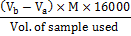




Determination of biochemical oxygen demand (BOD)
The biological oxygen demand (BOD) was determined using the method described by Ademoroti (1996) and APHA (1998). The 5-day BOD was computed from difference in the DO value of day 1 and day 5 multiplied by the dilution factor.
Nitrogen determination
Total nitrogen was determined using Kjeldahl indophenols (colorimetric) method as described by Ademoroti (1996). A spectrophotometer (JENWAY 6505uv/vis) wavelength of 635nm was used and the value was obtained by extrapolation from standard calibration curve.
Determination of potassium (K)
Potassium was determined by flame photometer (Perkin-Elmer) as described by Ademoroti (1996). The spectrophotometer (JENWAY 6505uv/vis) was set at 768nm. By extrapolation the concentration of potassium are calculated using the formula:
K (mg/l) =
Where; D = dilution factor
Determination of oil and grease
Oil and grease determination was carried out using gravimetric method aftersoxhlet extraction (APHA, 1998) and Ademoroti (1996). The total oil and grease is calculated using the formula:
Oil and grease (mg/L) increase in weight of flask =
Determination of total phosphate
Phosphate was determined by vanado-molybdo-phosphoric acid colorimetric method as described by APHA (1998) and Ademoroti (1996). Absorbance values were measured at 490nm using spectrophotometer (JENWAY 6505uv/vis). By extrapolation from the standard curve, the phosphate was calculated using the formula:
PO43- (mg/l) =
Where; D = dilution factor
Determination of heavy metals (cadmium, copper, iron, chromium)
The heavy metals were analyzed using Atomic Absorption Spectrophotometer (AAS) (APHA 301A) (model: 5100 PC, Perkin-Elmer, Boston, USA) (APHA, 1998).
Statistical analysis
Microsoft Excel was used for statistical analysis including descriptive statistics (mean, standard error and proportion).
RESULTS AND DISCUSSION
The physicochemical analysis of POME from semi-mechanized palm oil mill in Bayelsa state, Nigeria is presented in Table 1. The mean values are 6.56 (pH), 4.69 mg/l (DO), 1806.33 mg/l (COD), 382.93 mg/l (BOD), 8.18 mg/l(PO43-), 19.64 mg/l (K), 12.87 mg/l (N), 73.07 mg/l (oil and grease), 0.03 mg/l (Cd), 2.44 mg/l (Cu), 5.62 mg/l (Fe) and 2.01 mg/l (Cr). The result of this study is close to the findings of O’Thong et al. (2008) that reported a pH of 6.25 and Ohimain et al. (2012d). Other authors reported pH of 4 – 5 (Rupani et al., 2010), 4.7 (Ahmed et al., 2003). The value of pH recorded in this study is within IFC (2007) guideline value of 6 – 9 for effluent from vegetable oil processing. The value recorded in this study shows that it is tending toward neutral unlike other authors’ findings. The DO value recorded during this study is close to the values reported by Ohimain et al. (2012d). The high DO recorded may be associated with the high temperature and duration of bright sunlight, which could influence the soluble gases such as Oxygen and Carbon dioxide in the effluent (Ohimain et al., 2012d; Manjareet al., 2010). Ohimain et al. (2013b) and Ohimain and Izah (2013b) have reported atmospheric temperature during oil palm processing in the range of 27.23 – 35.60ºC. DO is an essential water quality parameter in determining the physicochemical characteristics of the POME. BOD values in this study were lower than the mean values of previous report (Ohimain et al., 2012d; Wood et al., 1979). The result of this study is higher than the IFC (2007) guideline value of 50mg/l for vegetable oil processing effluents. Therefore, the discharge of POME into the ecosystem could result to pollution. Like BOD, COD result obtained in this study was lower than the mean values of previous studies (Ohimain et al., 2012d; Wood et al., 1979), except that of Borja et al. (1996). The value of COD recorded in this study is higher than the IFC (2007) guideline value of 250 mg/l for effluent from vegetable oil processing. The result of oil and grease in this study was higher than values reported in previous reports (Table 1). Again, it was found to be higher than the permissible discharge limit of 50mg/l for POME (Ahmed et al., 2003). IFC (2007) have stated a lower regulatory limit of 10mg/l for effluents from vegetable oil processing. The result of potassium, phosphate and nitrogen were close to the values reported by Ohimain et al. (2012d) but far from other authors’ values (Table 1). The presence of potassium in POME is an indication of its richness in nutrients. Habib et al. (1997) stated that POME has high nitrogen content. The value was found to be higher than the guideline value of 10mg/l for vegetable oil processing effluent (IFC, 2007).The result of heavy metal (chromium, zinc, iron and copper) in this study were found to be higher than previous findings apart from iron concentration (Ohimain et al., 2012c; Wood et al., 1979).
Table 1: Physicochemical properties of palm oil milling effluents
|
Parameters |
This study (mean ± standard error) |
Ohimain et al., 2012d |
Wood et al., 1979 |
Borja et al., 1996 |
|
pH |
6.56±0.05 |
5.213 – 6.357 |
- |
4.4 |
|
DO, mg/l |
4.69±0.00 |
2.567 – 4.127 |
- |
- |
|
COD, mg/l |
1806.33±7.12 |
1231 – 2422 |
42900 – 88250 |
30.6 |
|
BOD, mg/l |
382.93±0.89 |
254 – 1541 |
17000 – 26700 |
- |
|
PO43-, mg/l |
8.18±0.18 |
5.267 – 10.433 |
- |
- |
|
K, mg/l |
19.64±0.58 |
9.533 – 29.143 |
1281 – 1928 |
510 |
|
N, mg/l |
12.87±0.18 |
7.550 – 20.653 |
- |
365 |
|
Oil and grease, mg/l |
73.07±2.90 |
41.667 – 98.167 |
- |
- |
|
Cd, mg/l |
0.03±0.00 |
0.0040 – 0.0231 |
0.01 – 0.02 |
- |
|
Cu, mg/l |
2.44±0.02 |
0.6143 – 1.6093 |
0.8 – 1.6 |
1 |
|
Fe, mg/l |
5.62±0.07 |
1.8120 – 13.8127 |
75 – 164 |
205 |
|
Cr, mg/l |
2.01±0.08 |
0.6053 – 1.6683 |
0.05 – 0.43 |
- |
Table 2 present the microbial population of POME from semi-mechanized palm oil mill in Bayelsa state, Nigeria. The total heterotrophic bacteria (THB) and total fungi (TF) were 1.3 x 10⁵ cfu/ml and 6.9 x 10³ cfu/ml respectively. The POME population (bacteria and fungi) recorded during this study is comparable to values previously reported in literature (Table 2). Awotoye et al. (2011) reported THB and TF of soil where raw POME are discharged into as 1.8 x 10⁶cfu/g and 9.5 x 10²cfu/g respectively. The values of this study were higher than the microbial population of crude palm oil. Izah and ohimain (2013b) and Okechalu et al. (2011) reported THB in the order of 104 cfu/ml. Izah and Ohimain (2013b) reported TF of crude palm oil in the order of 103 cfu/ml. The microbial populations are a reflection of the physicochemical properties. Like higher animals, microorganisms require nutrient, minerals etc to thrive. Okereke et al. (2007) also reported that the volume and acidity of wastewater influences the microbial population. Ohimain et al. (2012c) reported that the microbial population is dependent on the prevailing environmental, sanitation etc measures carried out in the processing mills.
Table 2: The microbial populations of POME
|
Microorganisms |
This study (Mean ± standard error) |
Ohimain et al., 2012c |
Ugoji, 1997 |
|
THB x 106 CFU/ml |
0.13±0.07 |
0.74– 2.00 |
1.30 |
|
TF x 104 CFU/ml |
0.69±0.01 |
3.10 – 5.70 |
0.13 |
THB = Total Heterotrophic Bacteria; TF = Total Fungi
Tables 3 and 4 presents the identification features of bacteria (biochemical test) and fungi (microscopic and macroscopic morphology) isolated from POME. The bacteria isolates include Micrococcus species, Bacillus species, Pseudomonas species, Staphylococcus aureus, while the fungi isolates are Aspergillus niger, Aspergillus fumigatus, Candida species, Fusarium species, Mucor species and Penicillium species. The frequency of occurrence of bacterial isolates showed that Micrococcus species and Bacillus species with 34% and 31% respectively dominated while Staphylococcus aureus and Pseudomonas species with 13% and 22% respectively are the least isolated microorganisms from POME in semi-mechanized palm oil processing mill in Bayelsa state, Nigeria (Fig.2). However in fungal isolates, Penicillium species, Candida species, Aspergillus fumigates and Aspergillus niger dominated the samples with 23%, 21%, 20% and 18% respectively while Mucor species and Fusarium species were the least isolated with occurrence frequency of 11% and 7% respectively (Fig. 3). The microorganisms identified in this study are similar to species reported by other authors. Ohimain et al. (2012c) reported Pseudomonas species, Serratia species, Bacillus species, Staphylococcus species and Corynebacterium species while the fungi isolates were Aspergillus niger, Aspergillus flavus, Mucor species, Fusarium species and Penicillium species from smallholder oil palm processing mill in Nigeria. Ugoji(1997) similarly identified E. coli, Flavobacterium, Desulfovibrio, Methanococcus sp., Bacillus subtilis, Pseudomonas, Fusarium moniliforms, Penicilliumsp., Aspergillus sp., Botryodiplodia theobromae, Trichoderma viridae and Geotrichum cadidum from POME. The type of microorganisms isolated from POME is comparable to the type of organisms isolated in substrate containing oil. Okechalu et al. (2011) reported Enterobacter species, Bacillus species, Proteus species, Micrococcus species, Staphylococcus aureus, Aspergililusniger, Aspergililus flavus, Aspergililus fumigatus, Candida species, Mucor species and Penicillium species from crude palm oil sold in Jos metropolis, North central, Nigeria. Izah and Ohimain (2013b) reported Enterobacter species, Bacillus species, Pseudomonas species, Staphylococcus aureus, while the fungi isolates are Aspergililus niger, A. flavus, A. fumigatus, Candida species, Mucor species and Penicillium species from crude palm oil produced by smallholder processors in Niger Delta, Nigeria. Okereke et al. (2007) isolated Staphylococcus species, Bacillus species, Corynebacterium species, Actinomycetes species, Pseudomonas species, Aspergillus species, Candida species, Rhizopus species and Mucor species from crude oil spill area. Ohimain et al. (2012c) reported that nearly all POME microbial isolates are able to mineralize palm oil as carbon source.
Table 3: Biochemical test of bacteria isolates of POME
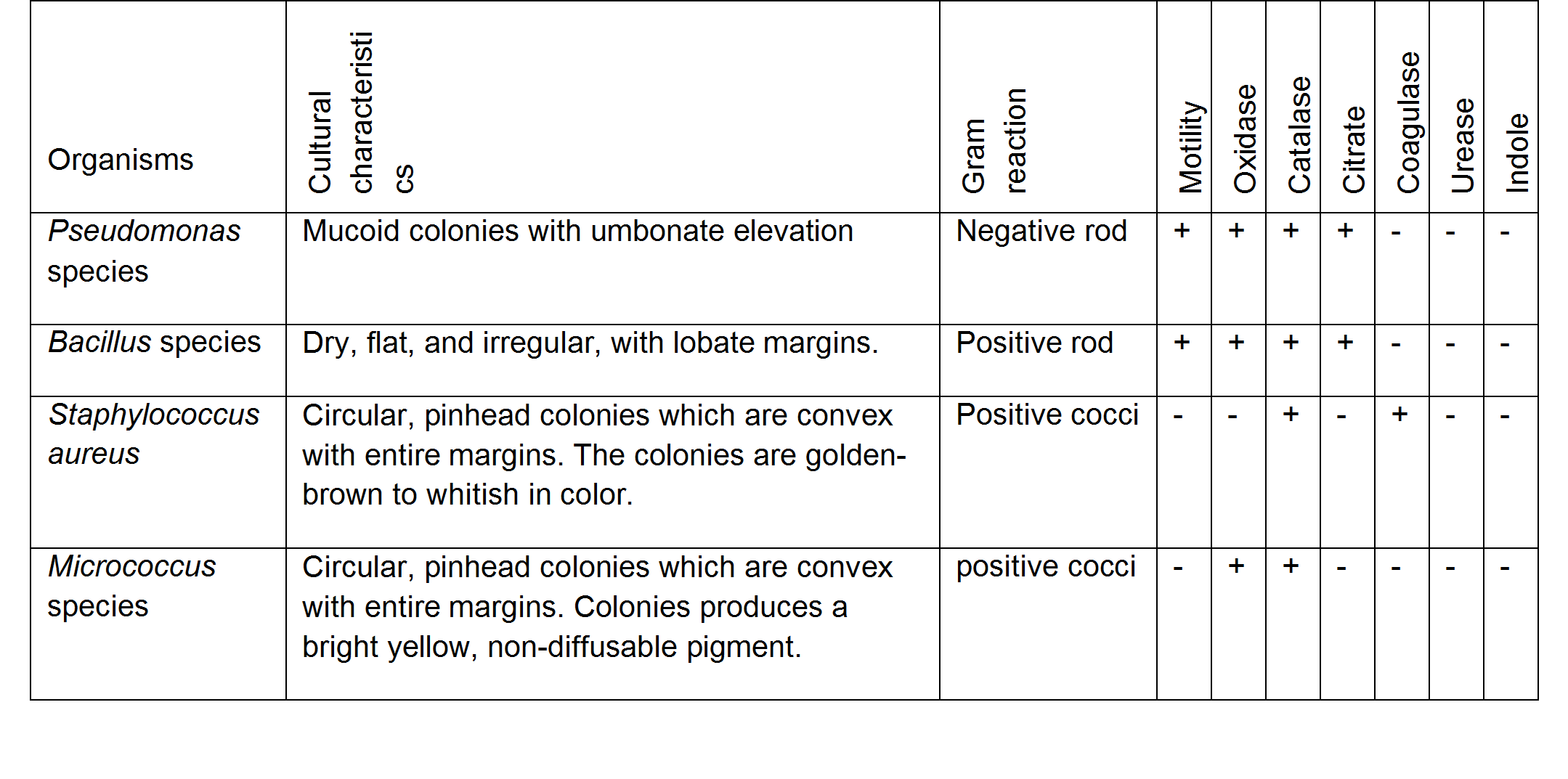
(+ = positive; - negative reactions)
Table 4: Microscopic and macroscopic morphology of fungi isolates found in POME
|
Organisms |
Type of organisms |
Microscopic morphology |
Macroscopic morphology |
|
Aspergillus niger |
Filamentous mold |
Presence of septate hyphae; black long, smooth, erect conidiophores. Hyalineichotomously branched vesicle, round, radiate head. |
Brownish-black mycelium with dark spores on the surface. |
|
Aspergillus fumigatus |
Filamentous mold |
Presence ofrough conidiophore, with uni/biseriatephialides whose vesicle is round with radiate head.Brownish sclerotia were also observed. |
Presence of blue-green to yellow coloration from surface. |
|
Candida species |
Ovoid sphere yeast-like |
Single clusters of blastoconidia which is round and elongate. Long branched pseudohyphas were also observed. |
A creamy to yellowish colonies with smooth, pasty, glistening or dry, wrinkled and dull color. |
|
Penicillium species |
Filamentous mold |
Presence of red pigment with edges surrounded by whitish margin. Also the conidiophores are branched. Septate and fruity mycelium are observed |
A bluish-green filament is seen which changes to powdery greenish brown. It has brush phialospores arrangement |
|
Mucor species |
Filamentous mold |
Presence of visible spore and short sporangiosphores with non septate hyphae |
A slimy colonies texture with dark pigmented spores. |
|
Fusarium species |
Filamentous mold |
Presence of dark pigment of micro and macro conidiophores. |
Presence of sickle-shaped macroconidia that is yellow to purple in colour. |
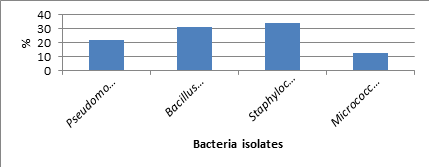
Fig. 2: Frequency of occurrence of bacteria isolated from POME
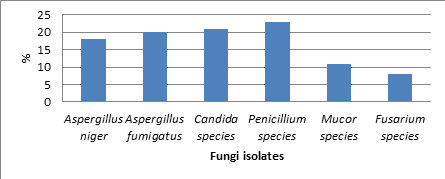
Fig. 3: Frequency of occurrence of fungi isolated from POME
POME microorganisms have been known to survive in oily waste water by producing the enzyme lipase and/ or spores. Their ability to produce spores has helped fungi to survive the anaerobic nature of POME. Ohimain et al. (2012c), Izah and Ohimain (2013b) stated that oily substrate provide a good environment for lipolytic microorganisms to flourish. Ohimain et al. (2012b) have reported that POME microorganisms could be for used for biodegradation and bioremediation in case of pollution. Bacillus species, Pseudomonas species, Micrococcus species and Staphylococcus species are lipase producing organisms. The presence of Penicillium species, Fusarium species, Mucor species and micrococcus species could be associated with their ability to survive in oily environment for long periods. Micrococcus species is also known for thriving under stress conditions, such as low temperature and no food. Micrococcus is an opportunistic, saprotrophic pathogen. Like other hydrocarbon degraders, it can be used in detoxification or biodegradation.
The microbial isolates that produce amylase are presented in Table 5. Bacillus species, Pseudomonas species, Staphylococcus aureus, Penicillium species, Fusarium species, Mucor species, Candida species and Aspergillus niger were found to be amylase producing microorganisms. The result of this study is comparable to other studies where amylase were produced from diverse substrates. Arotupin (2007) reported that Aerococcus viridens, Bacillus subtilis, Bacillus species, Corynebacterium manihot, Lactbacillus acidophilus, Aspergillus niger, Articulospora inflate, Geotrichum candidum, candida utilis, Saccharoyces exguusas amylase producing microorganisms were isolated from cassava wastewater. Akpomie et al. (2012) screened bacteria from cassava peels and reported that Bacillus subtilis, Bacillus megaterium, Corynebacterium kutseri, Lactobacillus fermentiare produce α-amylase at incubation temperature of 26 to 37oC. Senthilkumar et al. (2012) reported that Bacillus species can produce amylase using cassava as substrate. Nwagu and Okolo (2011) isolated Fusarium species from soil at 50ºC and determine amylase growth pattern at different temperature and found optimal amylase yield at 30ºC. Ajayi et al. (2011) studied extracellular enzyme from diseased carrot and found out that bacteria (Bacillus species, Leuconostoc species, Xanthomonas species and Klebsiella species) and fungi (Penicillium notatum, Mucor species and Fusarium species) are able to produce amylase. Pathak and Narula (2013) studied the effect of pH on amylase production from soil mycotic flora and found out that Aspergillus flavus, Aspergillus niger and Rhizopus species were good amylase producers at different pH range. Varalakshmi et al. (2012) reported that Pseudomonas species 2 produced α-amylase from rhizosphere soil under diverse conditions of temperature and pH. Farid and Shata (2011) reported that diverse strains of Aspergillus oryzae and Aspergillus awamori produce amylase. Also, Aspergillus niger LS1 do not produce amylase but LS2 do. Ladokun and Adejuwon (2011) studied the incubation period of Aspergillus fumigates for amylase production using rice and soluble starch and they found out optimal yield on the fifth day. Alariya et al. (2013) reported that Bacillus subtilis, Pseudomonas florescens, Escherichia coli and Serratia marscens isolated from soil are able to produce amylase. Okorie and Olasupo (2013) studied growth of bacteria producing extracellular enzymes from indigenous Nigeria fermented condimentsw and reported that Bacillus species, Staphylococcus species and Proteus species were amylase producers. Alves et al. (2002) studied enzyme production from Mucor species isolated from hervivores dung and reported that Mucor circinelloidesf. circinelloides, Mucor circinelloidesf. griseocyanus, Mucor hiemalisf. hiemalis, Mucor racemosusf. chibinensis and Mucor variosporus are good amylase producers. Kwon et al. (2007) reported that several species and strains of Fusarium capable of producing high amount of amylase as compared to moderate and non-producers. Khokhar et al. (2011) studied various species of Penicillum and Aspergillus for amylase production and found out that Penicillium janthinellum, Penicillium melinii, Penicillium oxalicum, Penicillium velutinum, Penicillium waskmanii, Aspergillusaculeatus, Aspergillus ficuum, Aspergillus japonicas, Aspergillus niger, Aspergillus phoenix produces amylase. Amylase production is dependent on several abiotic requirements and the substrate. Microorganisms have found application in industrial sectors particularly enzyme production. Most filamentous microbes are capable of producing extracellular enzymes in large scales. The production of amylase by these microbes could be associated with the POME richness in minerals and nutrients. Generally, POME physicochemical properties enhance the production of enzymes such as cellulase, lignin peroxidase, xylanase (Wu et al., 2009), pectinase and β-glucosidase.
Table 5: POME microbial amylase producers
|
Organisms |
Amylase activity |
|
Bacteria |
|
|
Pseudomonas species |
+ |
|
Bacillus species |
+ |
|
Micrococcus species |
- |
|
Staphylococcus aureus |
+ |
|
Fungi |
|
|
Aspergillus niger |
+ |
|
Aspergillus fumigatus |
- |
|
Candida species |
+ |
|
Penicillum species |
+ |
|
Mucor species |
+ |
|
Fusarium species |
+ |
(+ = positive; - negative reactions)
CONCLUSION
This study screened microbial amylase production from POME substrates. The microbial populations were in the order of x 105 and X103 cfu/ml for THB and TF respectively. The microbial isolates were similar to those reported by other authors (Ohimain et al., 2012c; Ugoji, 1997). The physicochemical properties showed that POME is rich in mineral and nutrient and the pH is tending toward neutral contrary to previous studies. Bacillus species, Pseudomonas species, Staphylococcus aureus, Penicillium species, Fusariums pecies, Mucor species, Candida species and Aspergillus niger were found to be amylase producers. Amylase has found application in biotechnology including bioenergy and biofuel production.
ACKNOWLEDGEMENTS
The authors gratefully thank the following undergraduates students of Niger Delta University that participated in the field sampling exercise; Fawari Amanda, FikiyeIlaye and Idoniboye-Obu precious. The authors wish to thank Mr Suoye Spiff of Central Analytical Laboratory, Niger Delta University for the physicochemical analysis. The authors also wish to thank the management of Bayelsa Palm Limited, Nigeria for allowing us to collect samples from their oil palm processing mill.
REFERENCES
Ademoroti C.M.A. (2006). Standard Method for Water & Effluents Analysis. 1st Edition. Foludex press limited, Ibadan, Nigeria.
Ahmad A L, Ismail S. and Bhatia S. (2003). Water recycling from palm oil mill effluent (POME) using membrane technology. Desalination, 157, 87-95.
Ahmad, A. L., Sumathi, S, Hameed, B H. (2005). Adsorption of residue oil from palm oil mill effluent using powder and flake chitosan: equilibrium and kinetic studies. Water Res.39, 2483 – 2494.
Ajayi, A.A., Ubon-Israel, N.N. and Olasehinde, G.I. (2011). Detection of extracellular enzymes in microbial isolates from diseased carrot (Daucuscarota) fruits.International Journal of Advanced Biotechnology and Research, 2(2): 244 – 249.
Akpomie, O.O., Akponah, E. and Okorawhe, P. (2012). Amylase production potentials of bacterial isolates obtained from cassava root peels. Agricultural Science Research Journals, 2(2):95-99.
Alariya, S.S., Sethi, S., Gupta, S. and Gupta, B.L. (2013). Amylase activity of a starch degrading bacteria isolated from soil. Archives of Applied Science Research, 5 (1):15-24
Alves, M.H., Campos-Takaki, G.M., Porto, A.L.F. and Milanez, A.I. (2002). Screening of Mucorspp. for the production of amylase, lipase, polygalacturonase and protease. Brazilian Journal of Microbiology, 33:325-330
APHA. (1998). Standard Methods for Examination of water and wastewater. 19th edition American Public Health Association, American water Works Association and Water Pollution Control Federation, Washington, D.C.
Arotupin, D.J. (2007). Evaluation of microorganisms from cassava waste water for production of amylase and cellulose. Research Journal of Microbiology, 2(5): 475 – 480.
Awotoye OO, Dada AC, Arawomo GAO.(2011). Impact of Palm Oil Processing Effluent Discharging on the Quality of Receiving Soil and Rivers in South Western Nigeria, Journal of Applied Sciences Research, 7(2): 111 - 118.
Barnett, H.L. and Hunter, B.B. (1972). Illustrated Genera of Imperfect Fungi. 3rd edition. Burges Publishing Company. Minneapolis.
Benson H.J (2002) Microbiological Applications: Laboratory Manual in General Microbiology/complete version, 5th edition. McGaraw-Hill, New York
Borja R, Banks CJ, Sanchez E. (1996). Anaerobic treatment of palm oil mill effluent in a two-stage up-flow anaerobic sludge blanket (UASB) system. Journal of Biotechnology, 45: 125 – 135.
Cheesbrough, M. (2004). District Laboratory Practice in Tropical Countries. Low price Edition part 2. Cambridge press, England.
de Souza, P.M., Magalhães, P.de O. (2010). Application of microbial α-amylase in industry – a review. Brazilian Journal of Microbiology, 41: 850-861
Dubey, R.C. and Maheshwari, D.K. (1999). A textbook of microbiology. Chad and Company limited.
Embrandiri, A., Singh, R.P., Ibrahim, H.M., Ramli, A.A. (2012). Land application of biomass residue generated from palm oil processing: its potential benefits and threats. Environmentalist, 32(17): 111 – 117.
Enemuor, S.C., Adegoke, S.A., Haruna, A.O. and Oguntibeju, O.O. (2012). Environmental and fungal contamination of palm oil sold in Anyigba Market, Nigeria. African Journal of Microbiology Research 6(11): 2744-2747.
Er, A.C., Nor, Abd. R.M. and Rostam. K. (2011). Palm oil milling wastes and sustainable development. American Journal of Applied Sciences 8(5):436-440.
Farid, M.A.F., Shata, H.M.AH. (2011). Amylase production from AspergillusoryzaeLS1 by solid-state fermentation and its use for the hydrolysis of wheat flour. Iranian Journal of Biotechnology, 9(4): 267 - 274
Habib M.A.B., Yusoff S.M. Phang K.J. and Mohamed S. (1997). Nutritional values of chironomid larvae grown in palm oil mill effluent and algalculture. Aquaculture 158: 95-105.
Holt, J.G., Kneg, N.R., Sneath, P.H.A., Stanley, J.T. and Williams, S.T. (1994). Bergey’s Manual of Determinative Bacteriology. William and Wilkins Publisher, Maryland. New York.
International Finance Corporation (IFC). 2007. Environment, Health, and Safety Guidelines for Vegetable Oil Processing. World Bank Group. Pp. 7.
Ismali I, Hassan MA, Rahman NAA, Soon CS. (2010). Thermophilicbiohydrogen production from palm oil mill effluent (POME) using suspended mixed culture. Biomass and Bioenergy, 34, 42 – 47.
Izah, S.C., Ohimain, E.I. (2013a).The challenge of biodiesel production from oil palm feedstock’s in Nigeria. Greener Journal of Biological Science, 3(1): 1 - 12.
Izah, S.C., Ohimain, E.I. (2013b). Microbiological quality of crude palm oil produced by smallholder processors in the Niger Delta, Nigeria. Journal of Microbiology and Biotechnology Research, 3 (2): 30 - 36.
Khokhar, I., Mukhtar, I., Mushtaq, S. (2011). Comparative studies on the amylase and cellulose production form Aspergillus and Penicillium. Journal of Applied Science and Environmental Management, 15(4): 657 – 661.
Kwon, H.W., Yoon, J.H., Kim, S.H.,Hong,S.B., Cheon, H. and Ko, S.J. (2007). Detection of extracellular enzyme activities in various Fusarium spp. Mycobiology 35(3): 162-165
Ladokun O.A and Adejuwon A.O(2011). Amylase from Aspergillusfumigatusassociated with deterioration of rice (Oryzasativa). Conference on International Research on Food Security, Natural Resource Management and Rural Development University of Bonn, Tropentag, October 5 - 7, 2011
Manjare S. A., Vhanalakar S. A. and Muley D.V. 2010. Analysis of water quality using physico-chemical Parameters tamdalge tank in kolhapur district, Maharashtra. International Journal of Advanced Biotechnology and Research 1(2): 115-119.
Nwagu, T.N and Okolo, B.N. (2011). Extracellular Amylase Production of a ThermotolerantFusariumsp. Isolated from Eastern Nigerian soil. Brazilian Archives of Biology and Technology: An International Journal, 55(4):649-658
Ohimain, E.I., Izah, S.C., (2013a). Water minimization and optimization by small-scale palm oil mill in Niger Delta, Nigeria. Journal of Water Research, 135: 190 – 198
Ohimain, E.I., Izah, S.C. (2013b). Gaseous emissions from a semi-mechanized oil palm processing mill in Bayelsa state, Nigeria. Continental Journal of Water, Air and Soil Pollution,4 (1): 15 – 25.
Ohimain, E.I., Izah, S.C., Obieze, F.A.U. (2013a). Material-mass balance of smallholder oil palm processing in the Niger Delta, Nigeria. Advance Journal of Food Science and Technology, 5(3): 289-294.
Ohimain, E.I., Izah, S.C., Abah, S.O. (2013b). Air quality impacts of smallholder oil palm processing in Nigeria. Journal of Environmental Protection, 4: 83-98
Ohimain, E.I., Oyedeji, A.A. and Izah, S.C. (2012a). Employment effects of smallholder oil palm processing plants in Elele, Rivers State, Nigeria. International Journal of Applied Research and Technology 1(6): 83 - 93.
Ohimain, E.I., Daokoru-Olukole, C., Izah, S.C., Alaka, E.E. (2012b). Assessment of the quality of crude palm oil produced by smallholder processors in Rivers State, Nigeria. Nigerian Journal of Agriculture, Food and Environment, 8(2): 28 - 34
Ohimain, E.I., Daokoru-Olukole, C., Izah, S.C., Eke, R.A., Okonkwo, A.C., (2012c). Microbiology of palm oil mill effluents. Journal of Microbiology and Biotechnology Research, 2(6): 852 – 857.
Ohimain, E.I., Seiyaboh, E.I., Izah, S.C., Oghenegueke, V.E., Perewarebo, T.G. (2012d). Some selected physico-chemical and heavy metal properties of palm oil mill effluents. Greener Journal of Physical Sciences, 2(4): 131 - 137.
Okechalu, J.N., Dashen, M.M., Lar, P.M., Okechalu, B. and Gushop, T. (2011). Microbiological quality and chemical characteristics of palm oil sold within Jos Metropolis, Plateau State, Nigeria. Journal of Microbiology and Biotechnology Research, 1(2): 107-112.
Okereke, J.N., Obiekezie, S.O., Obasi. (2007). Microbial flora of oil-spilled sites in Egbema, Imo state, Nigeria. African Journal of Biotechnology 6(8): 991 – 993.
Okorie, P. C. andOlasupo, N. A. (2013). Growth and extracellular enzyme production by microorganisms isolated from Ugba - an indigenous Nigerian fermented condiment. African Journal of Biotechnology, 12(26):4158-4167.
Okwute, L.O. and Isu, N.R. (2007). The environmental impacts of palm oil mill effluent (POME) on some physico-chemical parameters and total aerobic bioload of soil at a dump site in Anyigba, Kogi State, Nigeria. African Journal of Agricultural Research 2(12): 656 – 662.
Onofre, S.B., Groff, S. A., Sartori, A., Bertolini, J., Kagimura, F. Y., Rotta, D., Mazzali, L., Steilmann, P. (2012).Production of α-Amylase and Amyloglucosidase by the Fungus Cylindrocladiumsp. in Semi-solid State Fermentation Journal of Microbiology Research, 2(5): 123-126
Onyia C.O., Uyub A.M., Akunna J.C., Norulaini N.A. and Omar A.K.M. (2001). Increasing the fertilizer value of palm oil mill sludge: bioaugumentation in nitrification. Water Science and Technology44(10): 157-162.
O’Thong S., Prasertsan P., Intrasungkha N., Dhamwichukorn S. and Birkeland N. (2008). Optimization of simultaneous thermophilic fermentative hydrogen production and COD reduction from palm oil mill effluent by thermoanaerobicbacterium-rich sludge. International Journal of Hydrogen Energy 33: 1221 - 1231.
Pathak, S. and Narula, N. (2013). Optimization of pH for the Production of Amylase by Soil Mycotic Flora of Jabalpur Region. Research and Reviews: Journal of Microbiology and Biotechnology, 2(1): 17 – 22.
Pandey, A.,Nigam, P., Soccol, C.R., Soccol V.T., Singh, D. and Mohan, R. (2010). Advances in microbial amylases. Biotechnol. Appl. Biochem. 31: 135–152
Pepper, I.L., Gerba, C.P. (2004). Environmental microbiology. A laboratory manual. Second edition. Elsevier academic press.
Poku, K.(2002). Small-scale palm oil processing in Africa. Rome, Italy: Agriculture Services Bulletin 148. Food and Agricultural Organization of the United Nations.
Rupani P.F., Singh R.P., Ibrahim H. and Esa N.(2010). Review of Current Palm Oil Mill Effluent (POME) Treatment Methods: Vermicomposting as a Sustainable Practice. World Applied Sciences Journal 11 (1): 70-8I.
Senthilkumar, P.K. Uma, C. andSaranraj, P. (2012). Amylase Production by Bacillus sp. Using Cassava as Substrate. International Journal of Pharmaceutical & Biological Archives 3(2):300-306
Sridhar M.K.C. and AdeOluwa O.O. (2009). Palm Oil Industry Residue. Biotechnology for Agro-industrial Residues Utilisation. Nigam P.S and Pandey A. (eds.). Springer Science. Pp 341 – 355.
Ugoji EO. (1997). Anaerobic digestion of palm oil mill effluent and its utilization as fertilizer for environmental protection. Renewable Energy, 10(2-3): 291- 294.
Varalakshmi, K.N., Pallavi, N.U., Arpita, B., Bhuvaneshwari, S., Mrudula, P., Priyanka, G. (2012). Production and partial purification of α-amylase from Pseudomonas sp. 2 under solid-state fermentation. Turkish Journal of Biochemistry, 37 (1): 21–28.
Wood B.J., Pillia K.R. and Rajaratnam J.A. (1979). Palm oil mill effluent disposal on land. Agricultural Wastes1: 103-127.
Wu T.Y., Mohammad A.W., Jahim J. andAnuar N. (2009). A holistic approach to managing palm oil mill effluent (POME): Biotechnological advances in the sustainable reuse of POME. Biotechnology Advances 27(1): 40-52.
|
Cite this Article: Ohimain EI, Izah SC and Jenakumo N (2013). Physicochemical and Microbial Screening of Palm Oil Mill Effluents for Amylase Production. Greener Journal of Biological Sciences, 3(8): 307-318, http://doi.org/10.15580/GJBS.2013.8.100913894. |