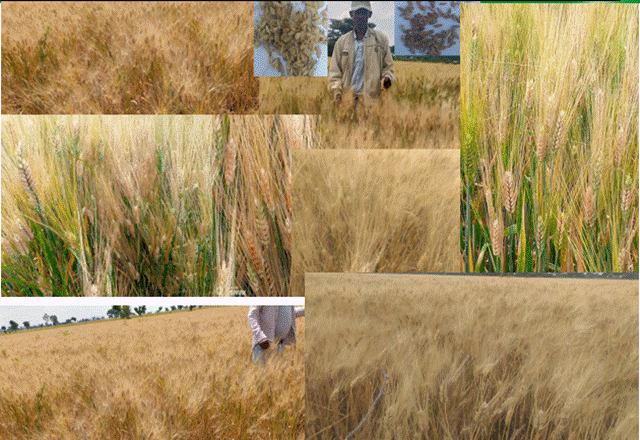
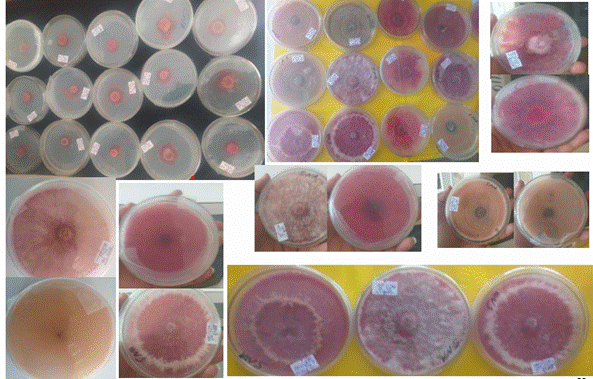
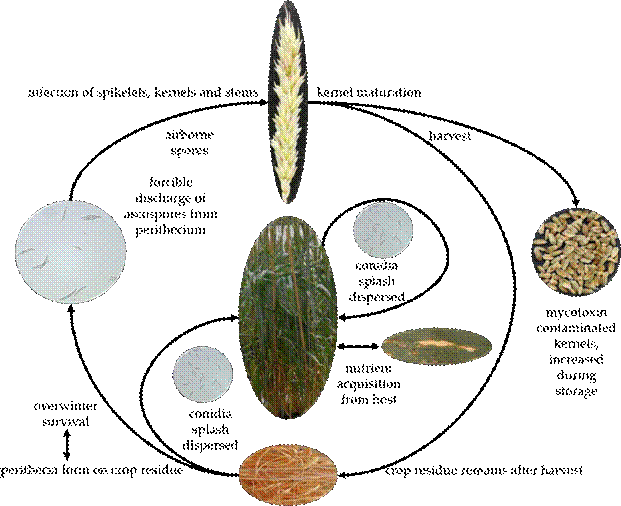
5.
Fusarium
Head Blight Diagnosis on Wheat
Accurate
disease diagnosis and precise identification of any pathogens involved is an
essential prerequisite for understanding plant diseases and controlling them
effectively. Traditional methods of identifying plant pathogens can be slow and
inconclusive, and this has prompted the search for alternative diagnostic
techniques (Ward
et al., 2004). Erroneous disease detection
increases the use costs of pesticides and pollutes farmland, emphasizing the
need for FHB detection in wheat fields (Zhang et al., 2022). There are various approaches for identifying the fungal
pathogens involved in FHB on wheat. The conventional approach involves re-isolating
pathogens on selective media and identifying the fungus based on
the morphological characteristics of the spores or colony. The
immunological technique uses particular antibodies against a fungus-produced
protein or protein complex. The most specific method, however, is the
molecular method, which employs specific primers that target a specific
region in the DNA from the fungus. Traditional FHB detection mainly relies on
professionals to scout the development of wheat infection through visual interpretation,
or scholars use chemical methods, such as gas chromatography (GC) (Simsek et al.,
2012), high-performance liquid chromatography (HPLC) (Simsek et al.,
2012), enzyme-linked immunosorbent assay (ELISA) (Maragos et al.,
2006), and polymerase chain reaction (PCR) (Amar et al., 2012) to
detect FHB and DON production (Zhang et al., 2022). Fusarium species can
be identified based on the visual and microscopic characteristics of the colony
and spores after re-isolating the fungus on a selective media Malchet-Green
Agar (MGA), Czapek Dox iprodione dichloran agar (CZID), dichloran
chloramphenicol peptone agar (DCPA), Spezieller Nahrstoffarmer Agar
(SNA), modified Czapek Dox agar (MCz), Nash and Snyder medium (NS) are
selective media while Potato Dextrose Agar (PDA) is a general media
used to isolate Fusarium species. MGA 2.5, on the other hand, was suggested as
a selective medium for Fusarium re-isolation from naturally infected kernels
(Bragulat et al., 2004). Furthermore, based on their pigmentation on
CZID, Fusarium species could be identified (Thrane, 1996). Recently, various
mediums containing the bacterial toxin "toxoflavin" produced by
Burkholderia glumae demonstrated selectivity to fusarium species (Jung et
al., 2013). However, this procedure is tedious and time-consuming, and it
requires experts in fungal taxonomy to diagnose the disease at the species
level. Enzyme-linked immunosorbent assay (ELISA) is used as a
diagnostic method for Fusarium using poly- or monoclonal antibodies. These
antibodies are obtained after immunization of animals or cell lines by
exoantigens secreted by Fusarium. However, the main drawback of this method is
that it is genus-specific
(Brunner et al., 2012). The polymerase chain reaction (PCR)
allows the detection of plant diseases before the symptoms become visible.
Moreover, it differentiates between fungal species scales even when they have
morphological similarities. Different primers
were developed to detect Fusarium species involved in FHB
(Kuzdraliński et al., 2017).
6.
Integrated
Management of Fusarium Head Blight
The management
options so far recommended for the control of disease include cultural
practices, cultivar resistance, application of fungicides and integrated
management. The use of resistant varieties against complex Fusarium species
still remains the most effective, durable, environmentally safe and
economically feasible strategy for managing the disease and associated
mycotoxin contamination (Wegulo et al., 2015; Abdissa et al.,
2022; Getachew et al., 2022). The host response to infection and disease
development varies widely. Genetic resistance to FHB is generally expressed as
a quantitative trait, presumably due to many minor genes and few major ones
conferring the resistance and as such, there is wide variation in phenotypic
reaction and environmental response. FHB is extremely
difficult to predict and control, so a multi-pronged approach is most
effective. The effective management of FHB is challenging due to
several factors. Firstly, maize intensification and reduced tillage increased
the frequency of FHB epidemics during the last decades. This is because maize
is the main host of Fusarium species, which serves as a source of the inoculum,
and reduced tillage helps to keep this source available during wheat vegetation.
In addition, wheat comes very often after maize in the crop rotation, which
increases the disease incidence during the availability of the inoculum.
Secondly, the visible FHB symptoms appear on wheat spikes at a later stage of
pathogenicity, and during this stage, it is too late for fungicide application
because the kernels have been contaminated with Fusarium mycotoxins. In
addition, FHB control using fungicides involves different disadvantages mainly
costs, bio- and eco-hazards, relatively short lifetime due to fungicide
resistance, and low availability for smallholder farmers. Furthermore, environmental and health protection measures
necessitate ongoing regulatory adjustments in terms of fungicide availability
and applicability (Nelson, 2020). This demonstrates the importance of an
integrated disease management strategy that includes cultural practices,
resistant cultivars, biological control and chemical
seed treatments.
6.1.
Cultural Practices
6.1.1.1.
Crop rotation
FHB can survive in crop residues and, therefore, properly designed
crop rotation is very crucial. To reduce the
buildup of infested crop residues, rotating away from cereals particularly
maize crops to non-host crops, including pulses and forage legume crops. This
will allow enough time for the infested residue to decompose before the next
cereal crop is planted. Moreover,
the removal of crop residues from the soil surface can also reduce the average
DON level in grains by 26–40% (Klix, 2007). FHB incidence and severity were less in
wheat following soybean than in wheat following maize. In the same fashion, the
concentration of DON in continuous wheat was less than half of that in wheat
following the maize crop (Islam et al., 2022).
6.1.2.
Using clean seed
High-quality clean
seed is an important element in preventing the occurrence of pathogenic fungi,
such as Fusarium spp. and their metabolites in plant cultivation. Seeds should
be healthy, without signs of damage that could facilitate pathogen penetration,
and they should have adequate viability. Where
possible, producers must avoid planting the seed that is infected with
Fusarium. Seed of susceptible crop species must be tested by a seed testing
laboratory and only seed with non-detectable levels of Fusarium species is to
be used for seeding purposes. Although infected seed can cause seedling blight,
it typically does not directly give rise to head blight symptoms in one growing
season. To prevent or reduce damping
off and seedling blights, scabby grain should be thoroughly cleaned and treated
with a systemic fungicide before being used as seed for next season’s crop.
The fungus will move from the infected seed to the
root, crown and stem base tissues of the plant that develops from the infested
seed, therefore, creating potential sources of infested residue that can impact
subsequent crops. The buildup of the pathogen would also be favoured by growing
successive host crops continuously or in short rotations, and disease-conducive
weather (Moya-Elzondo and Jacobsen, 2016).
6.1.3.
Increase
seeding rate
Increasing
seeding rate causes less tillering leading to a more uniform and shorter
overall flowering period which minimizes the length of time during which heads
are susceptible to FHB infection. Less tillering means less variation in the
crop growth stage, which may improve overall fungicide
performance. Less tillering and a shorter flowering period also reduce
the time that irrigation should be avoided (during the flowering period) when
the pathogen infects wheat and barley crops (Schaafsma and Tamburic-Ilincic, 2005).
6.1.4.
Modification
of planting dates
Staggering
planting dates to avoid having all cereal fields flowering at the same time is
very important and modification of planting date is also an important element
in preventing the occurrence of Fusarium spp. and their metabolites. The
planting date determines the flowering date & environmental conditions at
flowering are critical for the occurrence of FHB (Gorczyca et al.,
2018). The risk of plant infection by Fusarium species, and thus contamination
with mycotoxins is always greatest when the flowering period of a given plant
is close to the date of fungus spore release. Appropriate planting date range
and changing the heading time of the plant (escaping) are one of the ways to
prevent the FHB epidemic (Hossein, 2017). Changes in the phenology of wheat
cultivars under some climate change scenarios could significantly increase FHB
and DON accumulation.
6.2.
Host Plant Resistance
Developing
resistant cultivars is the most effective and economical to minimize losses
caused by the FHB. The host response to infection and its development varies
widely due to variations in phenotypic reaction and environmental response.
Resistance to FHB is governed by multiple quantitative trait loci (QTL) and is
highly influenced by changing environments. Genetic resistance to FHB is
expressed as a quantitative trait, due to many minor genes and few major ones
conferring the resistance (Wegulo et al., 2015). To date, more than 432
quantitative trait loci (QTL) conferring FHB resistances have been identified
so far mainly located on chromosomes 5A, 3B, 6B, 6D, and 7D (Jia et al.,
2018; Ma et al., 2020). Seven of them are major genes and have been
officially designated as Fhb1–Fhb7. The genes Fhb1, Fhb2 and Fhb5 from Sumai 3
and Wangshuibai and Fhb4 from Wangshuibai were mapped on chromosomes 3BS, 4BL,
6BL and 5AS, respectively (Ma et al., 2020; Jia, et al., 2018).
The other three genes are identified in the wild relatives of wheat, e.g., Fhb3
from Leymus racemosus (Qi et al., 2008), Fhb6 from Elymus tsukushiensis
(Cainong et al., 2015) and Fhb7 from Thinopyrum ponticum (Guo et al.,
2015), and have been transferred onto the wheat chromosomes 7AS, 1AS and 7DL,
respectively (Bai et al., 2015). Among those resistance genes, Fhb1 and
Fhb7 have been cloned. Fhb7 introgressions in wheat confer resistance and
showed a stable large effect on FHB resistance in diverse wheat backgrounds
without yield penalty, providing a solution for Fusarium resistance
(Dai et al., 2022). Evaluating FHB resistance is often not possible by natural
infection as disease intensity varies over time due to changes in the
environment (Mesterhazy et al., 2003). Obtaining consistent
differentiation of FHB resistance levels relies on the use of inoculation
methods (Parry et al., 1995). Moreover, the deployment of resistant
genotypes is ideal in terms of effectiveness, eco-friendliness, and
sustainability of production (Getachew et al., 2020).
Components of wheat resistance to FHB include
passive resistance represented by morphological and phenological features and
active resistance represented by physiological features (Mesterházy,1995). Morphological and phenological features
that are involved in passive resistance are plant height, wheat awns, narrow
and short floral openings, and the time of retained anthers. Plant height
(tallness) helps wheat spikes stand away from splashed rain droplets that carry
the inoculum from the soil surface and crop residues. Wheat awns (awns) trap
the inoculum and increase natural infection while their absence reduces it (Mesterházy,1995). A narrow and short floral opening reduces
the floret’s exposure to the inoculum and increases resistance while retained
anthers and pollen might trap the inoculum and catalyze spore germination and
fungal penetration (Steiner
et al., 2017). Resistance can be
classified into the following types: resistance to initial penetration or
infection [Type I resistance] Mesterhazy
et al. (1995), resistance to fungal spread within the spike from the
infected spikelet [Type II resistance] (Schroeder et al.,
1963), resistance to mycotoxin accumulation [Type III resistance] (Miller et al., 1983), resistance to kernel
infection [Type IV
resistance] and tolerance to yield loss [Type V resistance] (Mesterhazy et al., 1995). Type IV and type V can be merged because
both reflect grain disease resistance (Gong
et al., 2020).
6.3.
Chemical Control
Effective chemical control of FHB should be combined with
other management practices and the triazoles class of chemical fungicides in the
demethylation inhibitor (DMI) fungicide group that inhibits sterol
biosynthesis, are the most effective fungicides for suppressing FHB symptoms
and reducing mycotoxin levels (Wegulo et al., 2015). According to Paul et
al. (2018), the most effective treatment for reducing FHB index and DON was
to apply DMI fungicides to wheat anthers at the Feekes 10.5.1 growth stage. Previous research has reported on the
successful reduction of FHB severity and DON concentrations, and thus
reduced yield and quality losses, from the timely application of triazole-based
fungicides (Palazzini et al., 2017). Cromey et al. (2001) found
that applying tebuconazole to FHB-infected wheat plants reduced FHB incidence
by up to 90% and increased yield by 14%. Meta-analyses of fungicide trials
conducted in the United States also revealed that metconazole, prothioconazole
+ tebuconazole, and prothioconazole were the three most effective fungicide
treatments in terms of yield and test weight increase (Paul et al.,
2018). Demethylation inhibitor (DMI) fungicides, namely tebuconazole,
metconazole, prothioconazole, and prothioconazole + tebuconazole are effective
triazole fungicides for reducing FHB infections and deoxynivalenol (DON) levels
(Mesterházy et al., 2011; Freije and Wiese, 2015). The timing of
fungicide application is also critical for FHB control. Hence, applying fungicides at flowering at the Feekes 10.5.1 growth
stage should be considered in the management strategy (Alisaac et al.,
2023). Integrated disease management strategies are regarded as the best
way to control FHB due to the greater reduction in FHB severity and DON
concentrations that could be achieved (Schoeman et al., 2017).
6.4.
Seed Treatment
Seed treatment is an
important component of integrated disease management for producing small-grain
cereals. It
is the most effective way to protect wheat against FHB (Moya-Elzondo and
Jacobsen, 2016; Getachew et al., 2022). Though unable to prevent
infection afterwards in the growing period, chemical seed treatment help to prevent seedling
blight caused by fusarium species, they involve in escaping the seedlings from becoming blight and dead
during the early stage of the crop. Fungicides namely, Carbendazim 75% WP, Imidalm T 450 WS, Tebuconazole 2 DS, Difenoconazole 25%
EC, Propiconazole 25% EC, Thiram 50% WP, Carboxin 37.5 % + Thiram 25%, Torpedo (Thiamethoxam + Metalaxyl-M), Pyraxonil 30 FS
(Clothianidin 25% +fludioxonil 2.5% + pyraclostrobin 2.5% FS) and Apron Star WS (Thiamethoxam 200g/kg + Metalaxyl-M
200g/kg + Difenoconazole 20g/kg are registered and currently used as a seed treatment
(Ram et al., 2021; Getachew et al., 2022).
Fungicide
seed treatments are designed to mitigate external or internal microorganisms
from seeds or soil, resulting in healthy seedlings and plants (Khanzada et
al., 2002; Beres et al., 2016). Thus, seed can be treated to promote
good stand establishment, minimize yield loss due to suboptimal seed quality,
and limit the spread of pathogens, although fungicide seed treatment does not
completely eliminate the risk of disease transmission, damage from the latter
pathogens can be more severe than if the seed had not been treated (Richard et al.,
2002; Beres
et al., 2016; Turkington et al., 2016).
6.5.
Biological Control
Biological
control methods use microorganisms on wheat that are antagonistic to FHB and
have the ability to inhibit FHB and its related toxins. These biological control agents (BCAs) can be
applied to previous crop residues or directly to wheat spikes to suppress
perithecia formation. Several fungi and bacteria have been identified as BCAs
against FHB thus far. Numerous bacterial BCAs, such as Pseudomonas spp.,
Bacillus spp., Lysobacter enzymogenes, and Streptomyces
spp., have been shown to be antagonistic against FHB infections (Zhao et al.,
2014). Furthermore, several fungi like Trichoderma
spp., Clonostachys rosea, Aureobasidium pullulans, and Cryptococcus spp. are reported fungal BCAs against
FHB, which can function directly in wheat spikes to suppress the progress of
the disease or act on the debris to inhibit the production of perithecia
(Wachowska and Glowacka, 2014; Wegulo et al., 2015). For
example, Pseudomonas piscium can inhibit fungal development and
virulence by secreting a compound called phenazine-1-carboxamide, which targets
the histone acetyltransferase Gcn5 in F. graminearum (Chen et al.,
2018). In addition to fungi and bacteria, several mycoviruses in F.
graminearum have also been described to affect fungal metabolism,
subsequently reducing fungal pathogenicity.
The fundamental problem of biocontrol agents, however, is to design and develop
BCA formulations that are highly effective, convenient to use, and capable of a
long shelf life. (Darissa et al., 2012;
Bormann et al., 2018).
7.
Mycotoxins
Mycotoxins are secondary metabolites of microscopic fungi
that commonly contaminate cereal grains (Wheat, Barley, Oat, Rye, Maize and Rice) and their products (Elzbieta and Barbara, 2020). Globally,
about 1 billion metric tons of food and food products are lost due to mycotoxin
contamination every year (Schmale and Munkvold 2009). Annually, 25-50% of crops
harvested worldwide are contaminated with mycotoxin (Ricciardi et al., 2013). Eskola et
al. (2020) reported that globally mycotoxins contaminate up to 80% of
agricultural products (Eskola et al., 2020). They cause a wide range of harmful health effects and
pose severe health risks to humans and livestock, among others,
they are mutagenic, teratogenic and estrogenic. The adverse health effects of
mycotoxins range from acute poisoning to long-term effects such as immune
deficiency and cancer on human beings. Fusarium species cause FHB are common to
produce a range of different toxins, such as deoxynivalenol (DON), nivalenol
(NIV), T-2 and HT-2 toxins, as well as zearalenone (ZEN) and fumonisins. Different
fusarium toxins are associated with certain types of cereal crops (Mawcha et al.,
2022). For
example, DON, NIV and ZEN are often associated with wheat, T-2 and HT-2 toxins
with oats, and Fumonisins with maize. The U.S. Food and
Drug Administration has established a 2-ppm threshold for DON in wheat grain, a
1-ppm limit for finished wheat products that humans may consume, and 5- to
10-ppm for grains and grain by-products destined for livestock feed. As a
result, harvesting grain with high levels of DON may lead to price discounts or
rejections at the elevator (FDA, 2018).
Excessive production of mycotoxins is extremely
vulnerable during the epidemic outbreak of FHB. Mycotoxin levels should be
monitored routinely and continuously, as the annual levels may vary depending
on environmental moisture, climate, temperature changes, plant disease status,
and insect pest numbers. Effective management of food safety risks is required,
especially including the use of rapid and sensitive immunological techniques (Ji
et al., 2019). Decreasing mycotoxin contamination has become one of the
targets for FHB resistance breeding (Xian et al., 2022). The occurrence of FHB
and associated mycotoxins varies among seasons hence the need for continuous
monitoring and surveillance of the disease and associated toxins.
7.1.
Types and Toxicities of
Fusarium Head Blight Mycotoxins
Fusarium species produce the three most important classes
of mycotoxins namely: trichothecenes, zearalenone (ZEN), and Deoxynivalenol (DON).
7.1.1.
Deoxynivalenol
(DON)
Deoxynivalenol
(DON) known as vomitoxin is the first and most common
contaminant of cereal grains worldwide. It is produced by the fungus to
facilitate the spread of the fungus through the rachis and to adjacent
spikelets and grains (Valenti et al., 2023).
The ingestion of DON in mammals can result in acute toxic effects such as
nausea, gastroenteritis, vomiting, diarrhea, and increased salivation. In
addition, chronic toxic effects such as immunotoxicity, altered nutritional
effects, weight loss, and anorexia have been frequently observed. In
dairy cattle, it has been linked to reduced milk. Deoxynivalenol
is unlikely to appear as residues in the tissues or fluids of animals exposed
to toxic levels, but baking and malting using DON-contaminated wheat and barley
can have adverse effects. DON is a potent protein
synthesis and cell division inhibitor and causes a significant mitosis
reduction, especially in wheat crops. It strongly inhibits coleoptile and shoot elongation and also negatively affects root growth in
wheat (Wang et al., 2020; Ederli et al., 2021).
7.1.2.
Trichothecenes
Trichothecenes are the most dominant
and virulent group of Fusarium mycotoxins accompanying FHB infection on wheat
worldwide (Foroud et al., 2019). It is a global concern usually consumed
by livestock and humans (Eriksen and Petterson, 2004). This group is split,
based on its chemical structure, into four subgroups A, B, C, and D (Chen et
al., 2019). However, trichothecenes produced by Fusarium spp. are A
and B. The main difference between these two groups is the presence of ketone
(=O) at C8 of trichothecenes backbone in trichothecenes B while it is absent in
trichothecenes A (Foroud et al., 2019). In general, trichothecenes A are
more toxic in animals compared with trichothecenes B; however, in crops,
trichothecenes B are more toxic.
Trichothecenes A includes T-2 toxin,
HT-2 toxin, diacetoxyscirpenol (DAS), monoacetoxyscirpenol (MAS), neosolaniol
(NEO), NX-2 and NX-3. This group is mainly produced by F. acuminatum, F.
equiseti, F. graminearum, F. poae, F. sambucinum, and F.
sporotrichioides. Trichothecenes B includes nivalenol (NIV), 4-
4-acetyl-nivalenol (4-ANIV), deoxynivalenol (DON), 3-acetyl-deoxynivalenol
(3-ADON) and 15-acetyl-deoxynivalenol (15-ADON). Fusarium species that produce
trichothecenes B are F. acuminatum, F. crookwellense, F. culmorum,
F. equiseti, F. graminearum, F. poae, F. sambucinum,
F. semitectum, and F. sporotrichioides. However, DON is more
poisonous in crops while NIV is more poisonous in animals (Ferrigo et al., 2016). Trichothecenes are
potent inhibitors of eukaryotic protein synthesis, interfering with initiation,
elongation, and termination stages. Some of the diseases associated with these
toxins in humans and animals include feed refusal, nausea, vomiting, abortions,
weight loss, inflammation of the skin, haemorrhaging of internal organs, blood
disorders, immunosuppression, and disturbance of the nervous system
(Desjardins, 2004; Ekwomadu et al., 2021).
7.1.3.
Zearalenone
(ZEN)
Zearalenone, often known as F-2, is a commonly contaminated
maize and also one of the most prevalent Fusarium mycotoxins in wheat around
the world (Ekwomadu
et al., 2021, 78-81). Zearalenone derivatives, mainly, zearalanone, α- and
β-zearalenol, and α- and β-zearalanol could be naturally
produced by Fusarium spp. (Ferrigo et al., 2016). The main difference is the presence of ketone (=O) at C12
in zearalenone and zearalanone while it is hydroxyl (-OH) in α- and
β- derivatives. Zearalenone is of low acute toxicity either in Planta or
in Animalia compared with trichothecenes (Mclean, 1995). Fusaria involved in
zearalenone production are F. crookwellense, F. culmorum, F.
equiseti, F. graminearum, F. semitectum, and F.
sporotrichioides. In Animalia, zearalenone has an estrogenic effect by binding
to estrogen receptors which affects the sexual activities of animals (Bertero et
al., 2018). The consumption of contaminated grains by farm animals
can lead to the manifestation of female features in males, early sexual
development of young females, infertility in adults, abortion, false heat,
recycling, stillbirth, the birth of malformed offspring, reabsorption of
fetuses, and mummies (Ekwomadu et al., 2021).
7.2.
Detection of Fusarium Head
Blight Mycotoxins
Mycotoxins can be detected by various techniques, which
are broadly divided into instrumental and bioanalytical methods. However, each
approach has merits and drawbacks; the method.
7.2.1.
Chromatographic
Methods
There are many kinds of instrumental detection methods
for mycotoxins. Thin layer chromatography (TLC) is a qualitative or
semi-quantitative method with the longest history in the detection of
mycotoxins. High-performance liquid chromatography (HPLC) can couple with
different detectors. These detectors include ultraviolet (UV) detection, diode array
detection, fluorescence detection or mass spectrometric detection. Gas
chromatography can be coupled with electron capture detection, flame ionization
detection (FID), or mass spectrometry (MS) detection (Lippolis
et al., 2008). These methods afford high
accuracy and precision and are used for quantitative and qualitative analyses.
However, they are expensive, require skilled personnel
and longer periods for sophisticated sample preparation (Elliott, 2011). Thus, instrumental methods are not suitable for normal
laboratories or field environments. Chromatographic techniques involving UV and
FID are principally employed in confirmatory contexts, thus facilitating
compliance with regulations. Occasionally, such techniques serve as reference
methods for validating immunochemical tests.
7.2.2.
Immunochemical
Methods
Immunoassays based on antibody-antigen reactions are very
useful for routine analyses, as these techniques are simple and have been used
for rapid mycotoxin detection (Zherdev, 2014). Recently, several immunological
techniques have been developed, including enzyme-linked immunosorbent assays,
time-resolved immunochromatographic assays, enzyme-linked aptamer assays,
chemiluminescence immunoassays, fluorescence immunoassays, fluorescence
resonance energy transfer immunoassays, and metal-enhanced fluorescence assays
(Chauhan et al. 2016). The aptamer is an
important parameter in these detection techniques. It can bind a variety of
peptides, proteins, amino acids, and organic or inorganic molecules, all of which
have high affinity and specificity. Liu et al. (2014) constructed an
ultrasensitive immunosensor based on mesoporous carbon and trimetallic
nanorattles with special Au cores. The lower detection limit of ZEN was 1.7 pg/mL, and the assay was found to exhibit good stability
and reproducibility. Because of the strong selectivity of molecular recognition
mechanisms, it is difficult to simultaneously assay different compounds or
discover new toxins. In comparison to chromatographic methods, immunochemical methods
afford greater selectivity in terms of monitoring mycotoxin levels which is
very important to ensure food safety in developing countries. In addition, due
to global changes in climate and the environment, the level of contamination by
fungi and their mycotoxins will increase in the future. Risk management
requires the routine application of efficient control programs such as
optimally employing immunoassays (Ji et al., 2019).
8.
Conclusion
FHB is
an extremely catastrophic, cosmopolitan and devastating
fungal disease of wheat crops. The occurrence of FHB outbreaks
is strongly linked to weather conditions, particularly rainy days with warm
temperatures during anthesis and an abundance of primary inoculum. The
Fusarium head blight outbreak in wheat is an enormous risk that must be tackled
before it causes immense destruction and suffering to humans. Detection
and diagnosis of FHB species are essential for successful disease management. It has
been demonstrated that combining multiple control methods is an effective
approach in the integrated disease management of FHB. Management strategies
must be considered both before and after wheat planting. Applying appropriate
cultural practices, demethylation
inhibitor (DMI) fungicides group and planting
resistant varieties plays an important role in minimizing disease incidence and
severity. Predicting and monitoring the disease, on the other hand, will aid in
the decision to use biological and chemical control during the growing season.
9.
References
Abdissa
T, B Bekele, 2020. Assessment of wheat Fusarium head blight
and associated fusarium species in West Shewa, Ethiopia. Int J Agri
Biosci, 9(6): 299-304. www.ijagbio.com.
Abdissa T, Bekele B,
Selvaraj T. 2022. Evaluation of Response of Wheat (Triticum
spp) Genotypes against Wheat Fusarium Head Blight in Ethiopia. Adv Crop
Sci Tech 10: 505.
Alisaac, E.; Mahlein, A.-K.
Fusarium Head Blight on Wheat: Biology, Modern Detection and Diagnosis
and Integrated Disease Management. Toxins 2023, 15, 192.
https://doi.org/10.3390/ toxins15030192.
Amar,
A. B., Oueslati, S., Ghorbel, A., and Mliki, A. (2012). Prediction
and early detection of mycotoxigenic Fusarium culmorum in wheat by direct
PCR-based procedure. Food Control 23, 506–510. doi:
10.1016/j.foodcont.2011.08.021.
Bai,
G.H.; Su, Z.Q.; Cai, J. 2018. Wheat
resistance to Fusarium head blight. Can. J. Plant
Pathol. 40, 336–346.
Ban, T., Lewis, J. M. & Phipps, E., 2006.
The global Fusarium
initiative for international collaboration; A
strategic planning workshop held at CIMMYT, El Batan, Mexico; March 14- 17,
2006. With Support from the Government of Japan.
Japan-CIMMYT FHB Project, CIMMYT.
Bekele, E. 1985.
A review of research on diseases of barley, tef and wheat in
Ethiopia. In: Abate,
T. E., ed. Proceedings of the First Ethiopian Crop Protection Symposium, Addis
Ababa (Ethiopia), 4-7 Feb 1985. IAR.
Bekele,
E., 1990. Identification of Fusarium spp. and Mycotoxins Associated with Head
Blight of Wheat in Ethiopia: A dissertation presented to the faculty of the
graduate school.
Beres, B.L.,
T.K.Turkington, H.R.Kutcher, B.Irvine, E.N.Johnson,T.J.C. Amado,
et al. 2016. Winter wheat cropping system response to
seed treatments, seed size, and sowing density. Agron.
J. 108:1101. doi:10.2134/agronj2015.0497.
Bertero,
A.; Moretti, A.; Spicer, L.J.; Caloni, F. 2018. Fusarium Molds
and Mycotoxins: Potential Species-Specific Effects. Toxins.
10, 244.
Bilikova,
J. and Hudec, K. 2013. “Incidence of Fusarium head blight on winter wheat in
ecological and integrated farming systems,” Acta Fytotechnica et Zootechnica, 16: 28-32.
Bormann J, Heinze C,
Blum C, Mentges M, Brockmann A, Landt S K, Josephson B, Indenbirken D, Spohn M,
Plitzko B, Loesgen S, Freitag M, Schaefer W. 2018. Expression of a structural
protein of the mycovirus FgV-ch9 negatively affects the transcript level of a
novel symptom alleviation factor and causes virus-infection-like symptoms in
Fusarium graminearum. Journal of Virology, 92, e00326–e00344.
Boutigny AL, Beukes
I, Viljoen A. 2011. Head blight of barley in South Africa is caused by Fusarium
graminearum with a 15-adon chemotype. J Plant Pathol.
93:321–329. http://dx.doi.org/10.4454/jpp.v93i2.1186.
Bragulat, M.R.; Martínez, E.; Castellá, G.; Cabañes, F.J.
2004.
Selective Efficacy of Culture Media Recommended for Isolation and Enumeration
of Fusarium spp. J. Food Prot., 67, 207-211.
Brunner, K.; Farnleitner, A.; Mach, R.L. 2012. Novel Methods for
the Quantification of Pathogenic Fungi in Crop Plants: Quantitative PCR and
ELISA Accurately Determine Fusarium Biomass. In Plant Pathology;
Cumagun, C.J.R., Ed.; IntechOpen Limited: London, UK. pp. 203–218.
Cainong,
J.C.; Bockus, W.W.; Feng, Y.; Chen, P.; Qi, L.; Sehgal, S.K.; Danilova, T.V.;
Koo, D.H.; Friebe, B.; Gill, B.S. 2015. Chromosome engineering, mapping, and
transferring of resistance to Fusarium head blight disease from Elymus
tsukushiensis into wheat. Theor. Appl. Genet. 128,
1019–1027.
Chauhan, R., Singh, J., Sachdev, T., Basu, T., &
Malhotra, B. D. 2016. Recent advances in mycotoxins detection. Biosensors
& Bioelectronics, 81, 532–545.
Chen
Y, Wang J, Yang N, Wen Z, Sun X, Chai Y, Ma Z. 2018. Wheat microbiome bacteria
can reduce virulence of a plant pathogenic fungus by altering histone
acetylation. Nature Communications, 9, 3429.
Chen, Y.; Kistler, H.C.; Ma, Z. 2019. Fusarium
graminearum Trichothecene Mycotoxins: Biosynthesis, Regulation, and
Management. Annu. Rev. Phytopathol. 57, 15-39.
Cromey MG, Lauren DR, Parkes RA, Sinclair KI, Shorter SC,
Wallace AR. 2001. Control
of Fusarium head blight of wheat with fungicides. Australias Plant
Pathol. 30:301–308. https://doi.org/10.1071/ap01065.
CSA, 2022. Central Statistics Agency
for Ethiopia. Agricultural sample survey of area and
production of major crops. Available from:
https://www.statsethiopia.gov.et/. Accessed 2022 November 24.
Dai,
X.; Huang, Y.; Xue, X.; Yu, S.; Li, T.; Liu, H.; Yang, L.; Zhou, Y.; Li, H.;
Zhang, H. 2022. Effects of Fhb1, Fhb2 and Fhb5 on Fusarium
Head Blight Resistance and the Development of Promising Lines in Winter Wheat.
Int. J. Mol. Sci. 23, 15047. https://doi.org/10.3390/
ijms232315047.
Darissa
O, Adam G, Schaefer W. 2012. A dsRNA mycovirus causes hypovirulence of Fusarium
graminearum to wheat and maize. European Journal of Plant Pathology, 134
181–189.
Dean,
R., Van Kan, J. A., Pretorius, Z. A., Hammond‐Kosack, K. E., Di
Pietro, A., Spanu, P. D., Rudd, J. J., Dickman, M., Kahmann, R. & Ellis,
J., 2012. The Top 10 fungal pathogens in molecular plant
pathology. Molecular plant pathology, 13, 414-430.
Del
Ponte, E.M., Fernandes, J.M.C., Bergstrom, G.C., 2007. Influence of growth
stage on Fusarium head blight and deoxynivalenol production in wheat. J.
Phytopathol. 155 (10), 577–581
Desjardins, A.E. 2006. Fusarium Mycotoxins:
Chemistry, Genetics and Biology; American Phytopathological Society: Saint
Paul, MN, USA.
Dickson, J. G., 1942. Scab of wheat and barley and its control,
US Dept. of Agriculture.
Ederli, L.; Beccari, G.; Tini, F.; Bergamini, I.; Bellezza, I.;
Romani, R.; Covarelli, L. 2021. Enniatin B and
deoxynivalenol activity on bread wheat and on Fusarium species
development. Toxins, 13, 728.
Ekwomadu, T.I.; Akinola, S.A.; Mwanza, M. 2021. Fusarium Mycotoxins, Their Metabolites
(Free, Emerging, and Masked), Food Safety Concerns, and Health Impacts.
Int. J. Environ. Res. Public Health. 18, 11741. https://doi.org/10.3390/
ijerph182211741.
Elliott, T. 2011. Current methods of analysis for the determination of trichothecene
mycotoxins in food. TrAC Trends in Analytical Chemistry, 30, 12–19.
Elzbieta Mielniczuk
and Barbara Skwaryło-Bednarz.
2020. Review on Fusarium Head Blight, Mycotoxins and Strategies for Their
Reduction. Agronomy. PP. 1-26. doi:10.3390/agronomy10040509.
Eriksen, G.;
Petterson, H. 2004. Toxicological evaluation of
trichothecenes in animal feed. Anim. Feed. Sci. Technol. 114, 205–239.
Eskola, M.; Kos, G.; Elliott, C.T.;
Hajšlová, J.; Mayar, S.; Krska, R. 2020. Worldwide
Contamination of Food-Crops with Mycotoxins: Validity of the Widely Cited “FAO
Estimate” of 25. Crit. Rev. Food Sci. Nutr. 60, 2773–2789.
Ferrigo, D.; Raiola, A.; Causin, R. 2016. Fusarium Toxins in
Cereals: Occurrence, Legislation, Factors Promoting the Appearance and Their Management. Molecules. 21, 627.
Figueroa, M.; Hammond-Kosack, K.E.; Solomon, P.S. 2018.
A review of wheat diseases - A field perspective. Mol. Plant Pathol. 19,
1523–1536.
Food and Drug Admin. 2018. Guidance for Industry and FDA:
Advisory Levels for Deoxynivalenol (DON) in Finished Wheat Products for Human
Consumption and Grains and Grain By-Products Used for Animal Feed. FDA. https://www.fda. gov/regulatory-information/search-fda-guidance-documents/guidance-industry-andfda-advisory-levels-deoxynivalenol-don-finished-wheat-products-human.
Foroud, N.A.; Baines,
D.; Gagkaeva, T.Y.; Thakor, N.; Badea, A.; Steiner, B.; Bürstmayr, M.;
Bürstmayr, H. Trichothecenes in Cereal Grains-An
Update. Toxins 2019, 11, 634.
Freije,
A. N. and Wise, K. A. (2015), ‘Impact of Fusarium graminearum inoculum
availability and fungicide application timing on Fusarium head blight in
wheat’, Crop Protection, 77, 139–47.
Getachew
Gudero Mengesha, Shiferaw Mekonnen Abebe, Asaminew Amare Mekonnen, Abate
G/Mikael Esho, Zerhun Tomas Lera, Misgana Mitku Shertore, Kedir Bamud Fedilu,
Yosef Berihun Tadesse, Yisahak Tsegaye Tsakamo, Bilal Temmam Issa, Dizgo
Chencha Cheleko, Agdew Bekele W/Silassie. 2022. Effects of cultivar resistance
and chemical seed treatments on Fusarium head blight and bread wheat yield-related
parameters under field condition in southern Ethiopia, Heliyon, Volume 8, Issue
1, e08659, ISSN 2405-8440, https://doi.org/10.1016/j.heliyon.2021.e08659.
Getachew
Gudero Mengesha, Shiferaw Mekonnen Abebe, Zerhun Tomas Lera, Misgana Mitku
Shertore, Kedir Bamud Fedilu, Yosef Berihun Tadesse, Asaminew Amare Mekonnen,
Abate G/Mikael Esho, Dizgo Chencha Cheleko and Agdew Bekele W/Silassie. 2021.
Integration of host resistance, fungicides, and spray frequencies for managing
Fusarium head blight of bread wheat under field conditions in southern
Ethiopia. Heliyon7e0793. 1-13. https://doi.org/10.1016/j.heliyon.2021.e07938.
Gorczyca, A.; Oleksy, A.; Gala-Czekaj, D.; Urbaniak, M.;
Laskowska, M.; Waskiewicz, A.; Stepien, L. 2018. Fusarium head blight
incidence and mycotoxin accumulation in three durum wheat cultivars in relation
to sowing date and density. Sci. Nat, 105, 2–11.
Guo
J, Zhang X, Hou Y, Cai J, Shen X, Zhou T, Xu H, Ohm HW, Wang H, Li A 2015.
High-density mapping of the major FHB resistance gene Fhb7 derived from Thinopyrum
ponticum and its pyramiding with Fhb1 by
marker-assisted selection. Theor Appl Genet 128(11):2301–2316.
Guo,
J.; Zhang, X.L.; Hou, Y.L.; Cai, J.J.; Shen, X.R.; Zhou, T.T.; Xu, H.H.; Ohm,
H.W.; Wang, H.W.; Li, A.F.; et al.2015. High-density mapping of the major FHB
resistance gene Fhb7 derived from Thinopyrum ponticum and its
pyramiding with Fhb1 by marker-assisted selection. Theor.
Appl. Genet. 128, 2301–2316.
He,
X., H. Skinnes, R.E. Oliver, E.W. Jackson, and Å. Bjørnstad. 2013. Linkage
mapping and identification of QTL affecting deoxynivalenol (DON) content (Fusarium
resistance) in oats (Avena sativa L.). Theor.
Appl. Genet. 126:2655–2670. doi:10.1007/s00122-013-2163-0.
Islam,
M.N.; Banik, M.; Sura, S.; Tucker, J.R.; Wang, X. 2022. Implications of Crop
Rotation and Fungicide on Fusarium and Mycotoxin Spectra in Manitoba Barley,
2017–2019. Toxins. 14, 463. https://doi.org/10.3390/ toxins14070463.
Jemanash
K. Haile, Amidou N. Diaye, Sean Walkowiak, Kirby T. Nilson, John M. Clarke,
Hadley R. Kutcher, Barbara Steiner, Hermann Buerstmayr, and Curtis J. Pozniak,
2019. Fusarium Head Blight in Durum Wheat: Recent Status, Breeding Directions
and Future Research Prospects. Phytopathology. Vol.109, No.10, Pp.1664-1675.
Ji Fang, Dan He, A. O. Olaniran, M. P. Mokoena, Jianhong
Xu, and Jianrong Shi. 2019. Occurrence,
toxicity, production and detection of Fusarium mycotoxin: a review. ood Production, Processing and Nutrition. (2019) 1:6. https://doi.org/10.1186/s43014-019-0007-2.
Jia, H.Y.; Zhou,
J.Y.; Xue, S.L.; Li, G.Q.; Yan, H.S.; Ran, C.F.; Zhang, Y.D.; Shi, J.X.; Jia,
L.; Wang, X.; et al. 2018. A journey to
understand wheat Fusarium head blight resistance in Chinese wheat landrace
Wangshuibai. Crop J. 6, 48–59.
Jung, B.; Lee, S.; Ha, J.; Park, J.C.; Han, S.S.; Hwang,
I.; Lee, Y.W.; Lee, J. 2013. Development of a Selective
Medium for the Fungal Pathogen Fusarium graminearum Using Toxoflavin
Produced by the Bacterial Pathogen Burkholderia glumae. Plant Pathol. J. (Faisalabad), 29, 446-450.
Kebede
M, Adugna G, Hundie B 2020. Identification of Fusarium Species
Responsible to Cause Wheat Head Blight in Southwestern Ethiopia. Res J
Plant Pathol Vol. 3 No.1:3.
Khanzada,
K.A., M.A.Rajput, G.S. Shah, A.M.Lodhi, and F.Mehboob. 2002. Effect of seed
dressing fungicides for the control of seed-borne mycoflora of wheat. Asian J.
Plant Sci. 1:441–444. doi:10.3923/ajps.2002.441.444.
Klix
M B. 2007. Major mycotoxin
producin Fusarium species in wheat-factors affecting the species complex
composition and disease management.
Cuvillier Verlag, Göttingen, Germany. pp. 17–32.
Kuzdraliński, A.; Kot, A.;
Szczerba, H.; Nowak, M.; Muszyńska, M. 2017. A Review of Conventional PCR Assays for the Detection of
Selected Phytopathogens of Wheat. J. Mol. Microbiol. Biotechnol. 27,
175–189.
Leplat, J., Friberg, H., Abid, M., Steinberg, C., 2012. Survival
of Fusarium graminearum, the causal agent of Fusarium head blight. A review. Agron. Sustain. Deve. 33, 97–111.
Leslie,
J. F., 1995. Gibberella fujikuroi: available populations and variable traits.
Canadian Journal of Botany, 73, 282-291.
Leslie,
J.F.; Moretti, A.; Mesterházy, Á.; Ameye, M.; Audenaert, K.; Singh, P.K.;
Richard-Forget, F.; Chulze, S.N.; Del Ponte, E.M.; Chala, A.; et al.
2021. Key Global Actions for Mycotoxin Management in Wheat
and Other Small Grains. Toxins. 13, 725.
Lippolis, V.,
Pascale, M., Maragos, C. M., & Visconti, A. (2008). Improvement of detection sensitivity
of T-2 and HT-2 toxins using different fluorescent labeling reagents by
high-performance liquid chromatography. Talanta, 74, 1476–1483.
Liu, L., Chao, Y.,
Cao, W., Wang, Y., Luo, C., Pang, X., Fan, D. & Wei, Q. 2014. A label-free
amperometric immunosensor for detection of zearalenone based on trimetallic
Au-core/AgPt-shell nanorattles and mesoporous carbon. Analytica chimica acta, 847, 29-36.
Lori, G.A., Sisterna, M.N., Sarand´on, S.J., Rizzo, I.,
Chidichimo, H., 2009. Fusarium head blight in wheat: Impact of tillage and
other agronomic practices under natural infection. Crop Prot. 28 (6), 495–502.
Ma, Z.Q.; Xie, Q.;
Li, G.Q.; Jia, H.Y.; Zhou, J.Y.; Kong, Z.X.; Li, N.; Yuan, Y. Germplasms,
genetics and genomics for better control of disastrous wheat Fusarium head
blight. Theor. Appl. Genet. 2020, 133, 1541–1568.
Maragos, C., Busman, M., and Sugita-Konishi, Y. (2006). Production and characterization of a
monoclonal antibody that cross-reacts with the mycotoxins nivalenol and
4-deoxynivalenol. Food Addit. Contam. 23, 816–825. doi
10.1080/02652030600699072.
Matthies, A. and
Buchenauer, H. 2000. ‘Effect of tebuconazole (Folicur) and prochloraz (Sportac)
treatments on Fusarium head scab development, yield and deoxynivalenol (DON)
content in grains of wheat following artificial inoculation with Fusarium
culmorum’, Zeitschrift für Pflanzenkrankheiten und Pflanzenschutz,
107, 33–52.
Mawcha K.T., Zhang
N., Wang Y.A., Yang W.X. 2022. Advances in wheat breeding for resistance to
Fusarium head blight. Czech J. Genet. Plant Breed., 58: 167-188.
McLean, M.
1995. The Phytotoxicity of Selected Mycotoxins on Mature, Germinating Zea mays Embryos. Mycopathologia. 132, 173-183.
Mcmullen,
M., Halley, S., Schatz, B., Meyer, S., Jordahl, J. & Ransom, J., 2008.
Integrated strategies for Fusarium head blight management in the United States.
Cereal Research Communications, 36, 563-568.
Mcmullen, M., Jones, R. & Gallenberg, D., 1997. Scab of wheat and
barley: a re-emerging disease of devastating impact. Plant
disease, 81, 1340-1348.
McMullen, M.; Bergstrom, G.; de Wolf, E.; Dill-Macky, R.;
Hershman, D.; Shaner, G.; van Sanford, D. 2012. A Unified Effort to Fight an
Enemy of Wheat and Barley: Fusarium Head Blight. Plant Dis. 96, 1712–1728.
Mesterhazy
A, Bartok T, Lamper C. 2003. Influence of wheat cultivar, species of Fusarium,
and isolate aggressiveness on the efficacy of fungicides for control of
Fusarium head blight. Plant Dis 87(9):1107–1115.
Mesterházy,
Á. 1995. Types and Components of Resistance to Fusarium
Head Blight of Wheat. Plant Breed. 114,
377–386.
Mesterházy,
A., Tóth, B., Varga, M., Bartók, T., Szabó-Hevér, A., Farády, L. and
Lehoczki-Krsjak, S. 2011. ‘Role of Fungicides, application of Nozzle types, and
the resistance level of wheat varieties in the control of Fusarium head blight
and Deoxynivalenol role of Fungicides, application of Nozzle types, and the
resistance level of wheat varieties in the control of Fusarium head blight and
Deoxynivalenol’, Toxins, 3, 1453–83.
Miedaner, T., Flamm,
C., & Oberforster, M. 2023.
The importance of Fusarium head blight resistance in the cereal breeding
industry: Case studies from Germany and Austria. Plant Breeding, 1–15.
https://doi. org/10.1111/pbr.13098.
Moretti,
A. N., 2009. Taxonomy of Fusarium genus: a continuous fight between lumpers and
splitters. Zbornik Matice srpske za prirodne nauke,
7-13.
Moya-Elzondo,
E.A.; Jacobsen, B.J. 2016. Integrated management of
Fusarium crown rot of wheat using fungicide seed treatment, cultivar
resistance, and induction of systemic acquired resistance (SAR). Biol.
Control. 92, 153–163.
Muluken
Getahun, Chemeda Fininsa, Zelalem Bekeko & Abdi Mohammed. 2022. Analysis of
the spatial distribution and association of wheat fusarium head blight with
biophysical factors in Ethiopia. Eur J Plant Pathol. 164:391-410.
Subhttps://doi.org/10.1007/s10658-022-02569-9.
Muthomi, J., Riungu,
G., Ndung'u, J. & Narla, R., Occurrence of wheat head blight and Fusarium
species infecting wheat. African
Crop Science Conference Proceedings, 2007 ElMinia, Egypt. African Crop
Science Society, 863
Nelson,
R. 2020. International Plant Pathology: Past and Future Contributions to Global
Food Security. Phytopathology.110, 245-253.
Nganje, W. E., Bangsund, D. A., Leistritz, F.
L., Wilson, W. W. & Tiapo, N. M., Estimating the economic impact of a crop
disease: the case of Fusarium head blight in US wheat and barley. 2002 National Fusarium Head Blight Forum Proceedings, 2002. State University, 275.
Nganje, W. E.,
Kaitibie, S., Wilson, W. W., Leistritz, F. L., and Bangsund, D. A. 2004. Economic impacts of Fusarium head blight in wheat and
barley: 1993-2001. In Agribusiness and Applied Economics Report No 538. (Fargo,
ND: Department of Agribusiness and Applied Economics, North Dakota State
University of Minnesota). doi: 10.22004/ag.econ.23627.
Okorski, A.; Milewska, A.; Pszczółkowska, A.;
Karpiesiuk, K.; Kozera,W.;
Da˛browska, J.A.; Radwi´ nska, J. 2022. Prevalence of
Fusarium fungi and Deoxynivalenol Levels in Winter Wheat Grain in Different
Climatic Regions of Poland. Toxins. 14, 102. https://doi.org/
10.3390/toxins14020102.
Palazzini
JM, Torres AM, Chulze ZN. 2017. Tolerance of
triazole-based fungicides by biocontrol agents used to control Fusarium head
blight in wheat in Argentina. Lett Appl Microbiol.
66(5):434–438. https://doi.org/10.1111/lam.12869
Parry, D.W.; Jenkinson, P.;
McLeod, L. 1995. Fusarium Ear Blight (Scab) in Small Grain Cereals-A Review. Plant Pathol. 44, 207-238.
Paul PA, Bradley CA,
Madden LV, Dalla Lana F, Bergstrom GC, Dill-Macky R, et al. 2018. Meta-analysis of the effects of QoI and DMI fungicide combinations
on Fusarium head blight and deoxynivalenol in wheat. Plant Dis. 102:
2602-2615. https://doi.org/10.1094/PDIS-02-18-0211-RE.
Qi, L.L.; Pumphrey, M.Q.; Friebe, B.; Chen, P.D.; Gill,
B.S. 2008.
Molecular cytogenetic characterisation of alien introgression with gene Fhb3
for resistance to Fusarium head blight disease of wheat. Theor.
Appl. Genet. 117, 1155–1166.
Rajpal VR, Sehgal D,
Valluru R and Singh S. 2023. Editorial: Current advances in genomics and gene editing tools
for crop improvement in a changing climate scenario. Front. Genet.
14:1214679. doi: 10.3389/fgene.2023.1214679.
Refai, M., Hassan, A. & Hamed, M., 2015. Monograph on the
Genus Fusarium. Cairo University, Giza.
Reis, E.M., Boareto, C., Danelli, A.L.D., Zoldan, S.M.,
2016.
Anthesis, the infectious process and disease progress curves for fusarium head
blight in wheat. Summa Phytopathol. 42 (2), 134–139.
Ricciardi, C., Castagna, R., Ferrante, I., Frascella, F.,
Marasso, S. L., Ricci, A., Canavese, G., Lore, A., Prelle, A., Gullino, M. L.,
& Spadaro, D. 2013. Development of a microcantilever-based
immunosensing method for mycotoxin detection. Biosensors &
Bioelectronics, 40, 233–239.
Richard Smiley, R. James Cook and Timothy Paulitz. 2002. Seed
Treatments for Small Grain Cereals. Extension & Station Communications,
Oregon State University, 422 Kerr Administration,
Corvallis.pp1-7.
Ruan Y, Zhang W, Knox
RE, Berraies S, Campbell HL, Ragupathy R, Boyle K, Polley B, Henriquez MA, Burt
A, Kumar S, Cuthbert RD, Fobert PR, Buerstmayr H and DePauw RM. 2020.
Characterization of the Genetic Architecture for Fusarium Head Blight Resistance
in Durum Wheat: The Complex Association of Resistance, Flowering Time, and
Height Genes. Front. Plant Sci. 11:592064. doi:
10.3389/fpls.2020.592064.
Savary, S.; Willocquet,
L.; Pethybridge, S.J.; Esker, P.; McRoberts, N.; Nelson, A. 2019. The Global Burden of Pathogens and Pests on Major Food Crops.
Nat. Ecol. Evol. 3, 430-439.
Schaafsma, A. W., and
Tamburic-Ilincic, L. 2005. Effect of seeding rate and seed treatment
fungicides on agronomic performance, Fusarium head blight symptoms, and DON
accumulation in two winter wheat. Plant Dis. 89:1109-1113.
Schmale, D.G., and G.P. Munkvold.
2009. Mycotoxins in crops: A threat to human and domestic animal health. The Plant Health Instructor. DOI: 10.1094/PHI-I-2009-0715-01.
Schoeman
A, Greyling-Joubert SM. 2017. Gibberella on maize,
sorghum and wheat. Potchefstroom: Grain SA. Available from:
https://www.grainsa.co.za/ gibberella-on-maize-sorghum-and-wheat.
Simsek,
S., Burgess, K., Whitney, K. L., Gu, Y., and Qian, S.
Y. 2012. Analysis of deoxynivalenol and
deoxynivalenol-3-glucoside in wheat. Food Control 26, 287–292. doi: 10.1016/j.foodcont.2012.01.056.
Smith, W. 1884. New Diseases of Wheat,
Barley, and Rye-Grass. In Diseases of Field and
Garden Crops; MacMillan and Co. London, UK. pp. 208–213.
Snijders,
C. 1989. Current status of breeding wheat for fusarium head blight resistance
and the mycotoxin problem in the Netherlands. Workshop on
Fusarium Head Blight and Related Mycotoxins. 17.
Steiner, B.; Buerstmayr, M.; Michel, S.; Schweiger, W.;
Lemmens, M.; Buerstmayr, H. 2017. Breeding Strategies and Advances in Line
Selection for Fusarium Head Blight Resistance in Wheat. Trop. Plant Pathol. 42, 165–174
Summerell,
B.A.2019 Resolving Fusarium: Current Status of the Genus. Annu. Rev. Phytopathol. 57, 323–339.
Tadesse
W, Zegeye H, Debele T, Kassa D, Shiferaw W, Solomon T. 2022. Wheat Production
and Breeding in Ethiopia: Retrospect and Prospects. Crop Breed Genet Genom.;
4(3): e220003. https://doi.org/10.20900/cbgg20220003.
Tang
X, Yangjing G, Zhuoma G, Guo X, Cao P, Yi B, Wang W, Ji D, Pasquali M, Baccelli
I, Migheli Q, Chen X and Cernava T. 2022. Biological characterization and in
vitro fungicide screenings of a new causal agent of wheat Fusarium head
blight in Tibet, China. Front. Microbiol. 13:941734. doi:
10.3389/fmicb.2022.941734.
Thrane,
U. 1996. Comparison of Three Selective Media for Detecting Fusarium Species in
Foods: A Collaborative Study. Int. J. Food Microbiol.
29, 149-156.
Tiffany
Chin, Kerri Pleskach, Sheryl A. Tittlemier, Maria Antonia Henriquez, Janice
Bamforth, Niradha Withana Gamage, Tehreem Ashfaq, Sung-Jong Lee, Mayantha
Shimosh Kurera, Bhaktiben Patel & Sean Walkowiak. 2023. A status update on
fusarium head blight on Western Canadian wheat, Canadian Journal of Plant
Pathology, DOI: 10.1080/07060661.2023.2177352.
Tom
Allen, Mary Burrows, Martin Chilvers, Travis Faske, Darcy Telenko, Bob Hunger,
Trey Price, Daren Mueller, Emmanuel Byamukama, Kaitlyn Bissonnette, Pierce
Paul, Alyssa Kohler, Paul Esker, Stephen Wegulo and Alfredo
Martinez-Espinoza. 2021. An Overview of Fusarium Head Blight. Crop Protection Network. DOI:
doi.org/10.31274/cpn-20211109-0.
Torres, A.M., Palacios, S.A., Yerkovich, N., Palazzini,
J.M., Battilani, P., Leslie, J.F., Logrieco, A.F., Chulze, S.N., 2019. Fusarium head blight
and mycotoxins in wheat: prevention and control strategies across the food
chain. World Mycotoxin J. 12, 333–355. https://doi.org/10.3920/WMJ2019.2438.
Turkington, T.K.,
B.L.Beres, H.R.Kutcher, B.Irvine, E.N.Johnson, J.T. O’Donovan, et al.
2016. Winter wheat yields are increased by seed treatment and fall-applied fungicide.
Agron. J. 108:1379. doi:10.2134/agronj2015.0573
United
Nations.
2022. UN. Department of Economic and Social Affairs,
Population Division. World population prospects 2022: Summary of results
(New York: United Nations).
USDA,
2023.
United States Department of Agriculture/Foreign Agricultural Service. World Wheat Production. Circular
Series WAP 5-23. https://www.fas.usda.gov/data/world-agricultural-production. Assessed
on May 17/2023.
Valenti,
I.; Tini, F.; Sevarika, M.; Agazzi, A.; Beccari, G.; Bellezza, I.; Ederli, L.;
Grottelli, S.; Pasquali, M.; Romani, R.; et al. 2023. Impact of Enniatin
and Deoxynivalenol Co-Occurrence on Plant, Microbial, Insect, Animal and Human
Systems: Current Knowledge and Future Perspectives. Toxins.
15, 271. https://doi.org/
10.3390/toxins15040271.
Wachowska U, Glowacka
K. 2014. Antagonistic interactions between Aureobasidium
pullulans and Fusarium culmorum, a fungal pathogen of wheat. Biological Control, 59, 635e645.
Wang, Y.;
Yan, H.; Wang, Q.; Zheng, R.; Xia, K.; Liu, Y. 2020. Regulation of the phytotoxic response of Arabidopsis thaliana to
the Fusarium mycotoxin deoxynivalenol. J. Integr. Agric., 19,
759-767.
Ward, E., Foster, S. J., Fraaije, B. A. and McCartney, H.
A. 2004.
Plant pathogen diagnostics: immunological and nucleic acid-based
approaches. Annals of Applied Biology - AAB. 145
(1), pp. 1-16. https://doi.org/10.1111/j.1744-7348.2004.tb00354.x.
Wegulo
SN, Baenziger PS, Nopsa JH, Bockus WW, Hallen-Adams H. 2015. Management of
Fusarium head blight of wheat and barley. Crop Prot. 73:100.107. https://doi.org/10.1016/j.cropro.2015.02.025.
Xian,
L.; Zhang, Y.; Hu, Y.; Zhu, S.; Wen, Z.; Hua, C.; Li, L.; Sun, Z.; Li, T.
Mycotoxin DON Accumulation in Wheat Grains Caused by Fusarium Head Blight Are
Significantly Subjected to Inoculation Methods. Toxins 2022,
14, 409. https://doi.org/10.3390/ toxins14060409.
Xu, F., Liu, W., Song, Y., Zhou, Y., Xu, X., Yang, G.Q.,
Wang, J., Zhang, J., Liu, L., 2021. The distribution of Fusarium graminearum and
F. asiaticum causes Fusarium head blight of wheat in relation to climate and
cropping system. Plant Dis.
Yerkovich N, Cantoro R,
Palazzini J M, Torres A, Chulze S N. 2020. Fusarium head blight in Argentina:
pathogen aggressiveness, triazole tolerance and biocontrol-cultivar combined
strategy to reduce disease and deoxynivalenol in wheat. Crop
Protection, 137, 105300.
Yingxin Xiao, Yingying Dong, Wenjiang Huang,
Linyi Liu. 2022. Regional prediction of Fusarium head blight occurrence in
wheat with remote sensing based Susceptible-Exposed-Infectious-Removed model. International Journal of Applied Earth Observations and
Geoinformation. https://doi.org/10.1016/j.jag.2022.103043.
Zerihun, A.A.,
Habtamariam, D.K., Abebele, G.M., Gure, T.N., Endale, H.Z. 2023. Survey of wheat Fusarium head blight
disease in South Eastern Ethiopia. Ukrainian Journal
of Ecology. 13:64-69.
Zhang H, Huang L, Huang W, Dong Y, Weng S, Zhao J, Ma H
and Liu L. 2022. Detection of wheat
Fusarium head blight using UAV-based spectral and image feature fusion. Front.
Plant Sci. 13:1004427. doi: 10.3389/fpls.2022.1004427.
Zhang J, Gill HS, Halder J, Brar NK, Ali S, Bernardo A,
Amand PS, Bai G, Turnipseed B and Sehgal SK. 2022. Multi-Locus
Genome-Wide Association Studies to Characterize Fusarium Head Blight (FHB)
Resistance in Hard Winter Wheat. Front. Plant Sci. 13:946700. doi: 10.3389/fpls.2022.946700.
Zhao Y, Selvaraj N,
Xing F, Zhou L, Wang Y, Song H, Tan X, Sun L, Sangare L, Folly Y M E, Liu Y.
2014. Antagonistic action of Bacillus subtilis strain SG6 on Fusarium
graminearum. PLoS ONE, 9, e92486.
Zherdev, V. 2014. Immunochromatographic
methods in food analysis. TrAC Trends in Analytical Chemistry, 55,
13–19.
Zhu, Z. W., Xu,
D. A., Chen, S. H., Gao, B. C., Xia, X. C., Hao, Y. F., et al. 2018.
Characterization of Fusarium head blight resistance gene Fhb1 and its putative
ancestor in Chinese wheat germplasm. Acta Agronomica Sinica 44, 473-482. doi:10.3724/SP.J.1006.2018.00473.