Greener Journal of Biomedical and Health Sciences
Vol. 9(1), pp. 173-186, 2026
ISSN: 2672-4529
Copyright ©2026, Creative Commons Attribution 4.0 International.

|
Greener Journal of Biomedical and Health Sciences Vol. 9(1), pp. 173-186, 2026 ISSN: 2672-4529 Copyright ©2026, Creative Commons Attribution 4.0 International. |
|
Advances in Biosensor Technologies for Modern Healthcare: A Systematic Review of Clinical Applications, Wearable Systems, and Future Perspectives
William Bulubellemowei Debekeme1*, Alpha Ebiowei Henry1, Obiora Emeka Okoye2, Tarila Amakoromo2
1Department of Biomedical Technology, University of Port Harcourt, Choba, Rivers State, Nigeria.
2Department of Physics/Electronics, University of Port Harcourt, Choba, Rivers State, Nigeria.
|
ABSTRACT |
|||
|
Introduction: Biosensors enable rapid, sensitive detection of biological analytes and continuous physiological monitoring, while nanotechnology, flexible electronics, artificial intelligence, and connected medical-device platforms are accelerating decentralized and personalized healthcare. Methodology: A systematic review was conducted using PubMed/MEDLINE, Scopus, Web of Science Core Collection, ScienceDirect, IEEE Xplore, and Google Scholar for literature published from January 2015 to March 2026. The search identified 1,436 database records and 46 additional records; after duplicate removal and screening, 118 studies met the eligibility criteria and were synthesized narratively in accordance with PRISMA 2020. Results: Electrochemical biosensors remained the most widely deployed platform because of affordability and portability, while optical, piezoelectric, field-effect transistor, microfluidic, and nanotechnology-enabled biosensors demonstrated important clinical applications. Wearable biosensors integrated with intelligent analytics and connected-device platforms supported continuous monitoring and predictive alerts. Graphene-based sensors, CRISPR-assisted diagnostics, and implantable biosensors showed strong potential for precision medicine. Conclusion: Clinical translation remains limited by biofouling, manufacturing cost, regulatory complexity, cybersecurity, and inadequate implementation in resource-constrained settings. Future research should prioritize affordability, regulatory harmonization, robust validation, and equitable deployment, particularly in low- and middle-income countries.
|
|||
|
ARTICLE’S INFO |
|||
|
Article No.: 091026159 Type: Review Full Text: PDF, PHP, HTML, EPUB, MP3 DOI: 10.15580/gjbhs.2026.1.091026159
Accepted: 12/09/2026 Published: 16/09/2026
Keywords: electrochemical sensing; artificial intelligence; Internet of Medical Things; precision medicine; point-of-care diagnostics; nanotechnology; digital health; implantable sensors
|
*Corresponding Author
William Bulubellemowei Debekeme
Address: Clinical Skills Laboratory, Faculty of Clinical Science, Niger Delta University, P.M.B.071 Yenagoa, Bayelsa State.
E-mail: wiliamdebekeme@ndu.edu.ng |
Article’s QR code
|
|
|
|
|
|
|
1. Introduction
Healthcare systems worldwide are being transformed by advances in biomedical engineering, digital health, and precision medicine. Rising chronic disease burden, ageing populations, recurrent infectious-disease outbreaks, and antimicrobial resistance have intensified demand for diagnostics that are rapid, accurate, affordable, and decentralized. Conventional laboratory diagnostics, though reliable, require sophisticated infrastructure, trained personnel, and long turnaround times, limiting their suitability for point-of-care use in resource-limited settings.
Biosensors integrate biological recognition elements with physicochemical transducers to convert biological interactions into measurable signals. Since the first enzyme-based glucose biosensor was introduced by Clark and Lyons in the early 1960s [1], the field has evolved from simple electrochemical devices into wearable, implantable, and intelligent sensing platforms capable of continuous monitoring and real-time clinical decision support.
Nanotechnology has enabled highly sensitive biosensors through materials such as graphene, carbon nanotubes, quantum dots, and metallic nanoparticles, while advances in flexible electronics have enabled wearable and implantable devices that continuously track glucose, heart rate, oxygen saturation, respiratory rate, blood pressure, sweat metabolites, and electrophysiological signals with minimal discomfort. Integration with artificial intelligence (AI), machine learning, cloud computing, and the Internet of Medical Things (IoMT) has further enabled predictive analytics, automated disease detection, and remote patient monitoring, supporting telemedicine and home-based care.
The COVID-19 pandemic underscored the value of rapid diagnostics and spurred substantial investment in biosensor research; platforms detecting viral nucleic acids, antigens, antibodies, and inflammatory biomarkers proved central to outbreak management. Beyond infectious disease, biosensors are now used extensively across oncology, cardiology, neurology, endocrinology, sports medicine, and intensive care.
Despite this progress, clinical implementation remains constrained by regulatory complexity, lack of standardization, biofouling, sensor stability, cybersecurity risk, manufacturing scalability, affordability, and limited deployment in low- and middle-income countries (LMICs). This review provides a comprehensive evaluation of recent advances in biosensor technologies—their principles, innovations, clinical applications, wearable and implantable platforms, AI/digital-health integration, current limitations, and future prospects for global healthcare.
2. Objectives of the Review
This systematic review sought to: (1) examine the fundamental principles and classification of biosensor technologies; (2) evaluate recent innovations in electrochemical, optical, piezoelectric, thermal, field-effect transistor (FET), wearable, implantable, and nanotechnology-enabled biosensors; (3) assess clinical applications in diabetes mellitus, cardiovascular disease, cancer, infectious disease, neurological disorders, and respiratory illness; (4) investigate integration with AI, machine learning, IoMT, microfluidics, and digital health; (5) identify challenges limiting clinical implementation, including regulatory barriers, standardization, affordability, biofouling, cybersecurity, and long-term stability; and (6) highlight emerging trends, research gaps, and future directions, particularly for LMICs.
3. Materials and Methods
This review followed the Preferred Reporting Items for Systematic Reviews and Meta-Analyses (PRISMA 2020) guidelines [2] to ensure transparency and methodological rigor.
3.1. Study Design and Protocol
A systematic review with predefined eligibility criteria, standardized screening, and structured data extraction was conducted to minimize bias. A protocol defining the objectives, search strategy, eligibility criteria, screening, extraction, and quality-assessment procedures was developed in advance and consistently applied, although it was not prospectively registered (e.g., with PROSPERO).
3.2. Literature Search Strategy
Six databases were searched—PubMed/MEDLINE, Scopus, Web of Science Core Collection, ScienceDirect, IEEE Xplore, and Google Scholar—covering January 2015 to March 2026, supplemented by manual searching of reference lists. Search terms combined Medical Subject Headings (MeSH) and free-text keywords such as “biosensor,” “electrochemical/optical/wearable/implantable biosensor,” “point-of-care diagnostics,” “microfluidic biosensor,” “FET biosensor,” “nanotechnology biosensor,” “artificial intelligence,” “machine learning,” “digital health,” “Internet of Medical Things,” “clinical diagnosis,” “healthcare monitoring,” and “precision medicine,” combined with Boolean operators (e.g., (“biosensor” OR ”wearable biosensor” OR “electrochemical biosensor”) AND (“healthcare” OR “clinical diagnosis” OR “point-of-care”) AND (“artificial intelligence” OR “machine learning” OR “digital health”)*), adapted to each database’s indexing system.
3.3. Eligibility Criteria
Included studies investigated biosensor technologies applied in healthcare; evaluated diagnostic, prognostic, therapeutic, or monitoring applications; reported measurable performance indicators (sensitivity, specificity, accuracy, detection limits, or clinical effectiveness); involved wearable, implantable, portable, or laboratory-based biosensors; were original peer-reviewed articles or systematic reviews; were published in English between January 2015 and March 2026. Studies were excluded if they addressed only environmental, agricultural, or food-safety applications without healthcare relevance; were conference abstracts, editorials, commentaries, or opinion pieces; lacked methodological detail; contained duplicated data; or were unavailable in full text.
3.4. Study Selection
Database searches identified 1,436 records, plus 46 from manual reference searching (1,482 total). After duplicate removal, 1,186 unique studies were screened by title and abstract, yielding 274 potentially eligible studies. Full-text review excluded studies for insufficient methodological detail, absence of healthcare application, duplicate reporting, inadequate outcome reporting, or non-English publication, leaving 118 studies for qualitative synthesis (Figure 1).
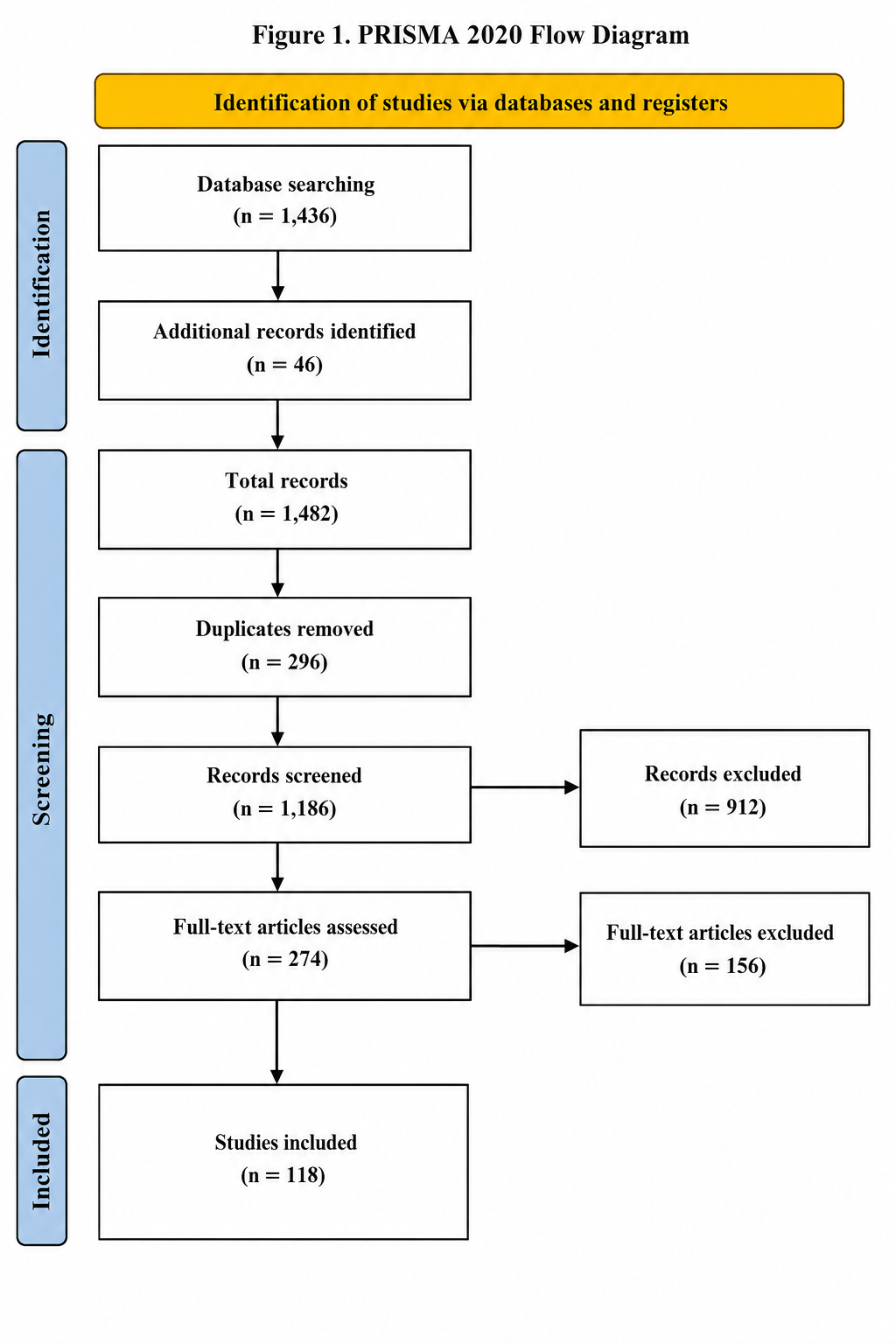
Figure 1. PRISMA 2020 flow diagram of study selection.
3.5. Data Extraction, Quality, and Risk of Bias
A standardized extraction form captured author(s), year, country, study design, biosensor category, sensing mechanism, target biomarker, disease application, analytical performance, AI integration, and limitations, with discrepancies resolved by consensus. Methodological quality was assessed using Joanna Briggs Institute (JBI) Critical Appraisal Tools appropriate to each design, and risk of bias was evaluated using the ROBINS-I framework where applicable, supplemented by JBI tools, across selection, detection, reporting, publication, attrition, and confounding bias domains. Most included studies showed low-to-moderate risk of bias, though heterogeneity in platforms and outcome measures limited direct quantitative comparison.
3.6. Data Synthesis and Ethics
Given substantial heterogeneity across technologies, applications, and performance metrics, meta-analysis was not appropriate; a narrative synthesis grouped studies by technology, mechanism, application, innovation, and clinical significance. Ethical approval was not required, as the review analyzed previously published literature without human participants, animal experiments, or identifiable data.
4. Fundamentals of Biosensor Technology
4.1. Historical Development
Biosensor technology originated in 1962 when Leland C. Clark Jr., regarded as the “Father of Biosensors,” introduced the first enzyme-based electrochemical glucose sensor, demonstrating that biological recognition elements could be coupled to electrochemical transducers to produce measurable signals [1]. Since then, biosensors have evolved through successive generations—from simple enzymatic devices to mediator-assisted and direct electron-transfer systems, and more recently to nanotechnology-enhanced and intelligent platforms incorporating AI, machine learning, IoMT, flexible electronics, and cloud computing (Figure 2). This evolution, accelerated by the COVID-19 pandemic, has been driven by demand for early disease detection, personalized healthcare, remote monitoring, and cost-effective diagnostics.
4.2. Definition and Components
A biosensor is an analytical device combining a biological recognition element with a physicochemical transducer to detect specific analytes and convert the interaction into a measurable signal. IUPAC defines it as a self-contained integrated analytical device providing quantitative or semi-quantitative information via a biological recognition element in direct spatial contact with a transducer. Modern biosensors integrate materials science, nanotechnology, microelectronics, data science, and wireless communication for rapid, sensitive, real-time monitoring [3].
Most devices comprise five components: (i) a bioreceptor—enzymes, antibodies, aptamers, nucleic acids, cells, microorganisms, receptors, or molecularly imprinted polymers—that determines specificity and sensitivity; (ii) a transducer (electrochemical, optical, piezoelectric, thermal, FET, magnetic, or acoustic) that governs detection limit, response time, and cost; (iii) a signal processor, increasingly incorporating AI, machine learning, digital signal processing, and edge computing to reduce false results; (iv) a display system (LCD/OLED screens, smartphones, smartwatches, cloud dashboards, or hospital information systems); and (v) a communication module using Bluetooth Low Energy, Wi-Fi, NFC, ZigBee, LoRaWAN, or 5G to support remote monitoring and telemedicine integration (Figure 2).
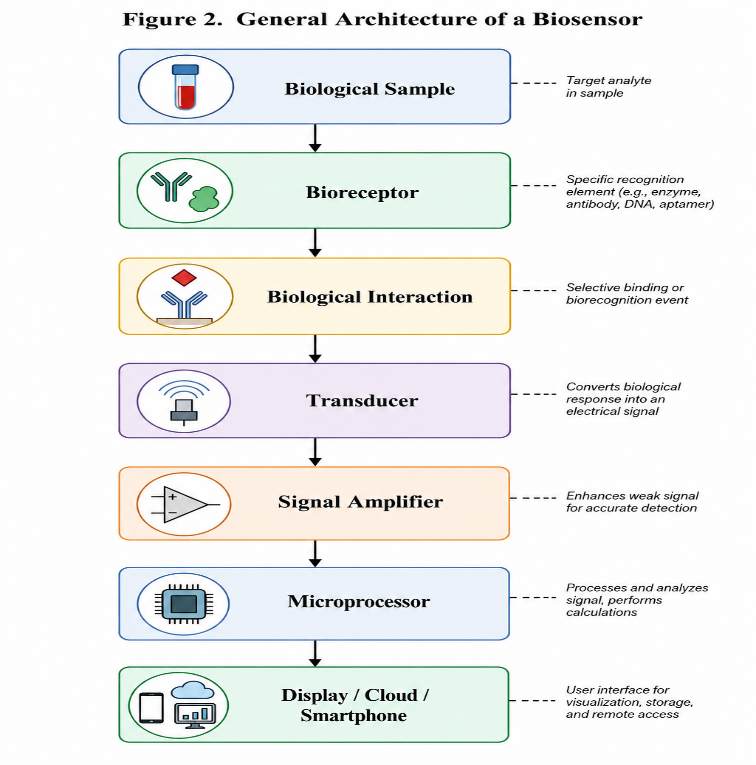
Figure 2. Core components of a biosensor system.
5. Classification of Biosensors
Biosensors are commonly classified by transducer type (Table 1).
Electrochemical biosensors are the most widely used in healthcare, offering high sensitivity, low cost, rapid response, portability, and ease of miniaturization by measuring electrical changes from biochemical reactions via amperometry, potentiometry, conductometry, impedimetry, or voltammetry [4], [5], [6], [7], [8]. Applications include glucose, cardiac biomarker, lactate, cholesterol, renal, and cancer-biomarker detection; commercial glucose meters remain the field’s most successful example.
Optical biosensors detect interactions via fluorescence, luminescence, absorbance, surface plasmon resonance, Raman spectroscopy, or refractive-index changes, offering exceptional sensitivity for cancer diagnosis, DNA sequencing, pathogen detection, immunoassays, and drug discovery, though at higher instrumentation cost.
Piezoelectric biosensors, typically based on quartz crystal microbalance technology, detect mass changes for label-free, real-time viral and bacterial detection and protein-binding studies.
Thermal biosensors quantify reaction heat for enzyme kinetics, drug metabolism, and clinical chemistry; they are simple and inexpensive but less sensitive than electrochemical or optical systems.
Field-effect transistor (FET) biosensors measure conductivity changes from analyte binding at the gate surface, offering ultra-high, label-free, rapid detection suited to miniaturized wearables; applications include DNA/RNA and protein-biomarker detection, cancer and viral diagnostics, and precision medicine, with graphene-based FETs approaching single-molecule sensitivity.
Table 1. Comparison of Major Biosensor Technologies
|
Technology |
Detection Principle |
Sensitivity |
Response Time |
Cost |
Major Clinical Applications |
|
Electrochemical |
Electrical current |
Excellent |
Seconds |
Low |
Diabetes, cardiac biomarkers |
|
Optical |
Light interaction |
Excellent |
Seconds |
High |
Cancer, DNA diagnostics |
|
Piezoelectric |
Mass change |
Very good |
Minutes |
Moderate |
Viral detection |
|
Thermal |
Heat generation |
Moderate |
Minutes |
Low |
Enzyme analysis |
|
FET |
Conductivity change |
Outstanding |
Seconds |
Moderate |
Precision medicine |
6. Nanotechnology-Enabled Biosensors
Nanotechnology has transformed biosensor performance, improving sensitivity, selectivity, miniaturization, and multiplex detection through nanomaterials—gold and silver nanoparticles, carbon nanotubes, graphene and graphene oxide, quantum dots, magnetic nanoparticles, metal–organic frameworks, and MXenes—that increase surface area, improve electron transfer, and amplify signals, reducing detection limits to the nano- and picomolar range [9], [10], [11]. Graphene-based FET biosensors have achieved femtomolar detection limits for circulating tumor biomarkers, and gold-nanoparticle-enhanced electrochemical sensors have improved early detection of prostate, breast, and colorectal cancers. Nanotechnology also underpins flexible, stretchable, wearable biosensors that conform to the body for continuous monitoring without compromising comfort [12], positioning it as a cornerstone of next-generation biosensing.
7. Microfluidic Biosensors and Lab-on-a-Chip Technologies
Microfluidic biosensors—often called lab-on-a-chip (LOC) systems—integrate sample preparation, biochemical reaction, separation, and detection within a single miniaturized device using minute sample volumes, making them well suited to point-of-care diagnostics and resource-limited settings [13]. A typical device comprises a sample inlet, microfluidic channels, micropumps or capillary-driven flow, reaction chambers, detection zones, integrated transducers, and a data-processing module; advances in additive manufacturing and soft lithography now enable low-cost fabrication from polydimethylsiloxane (PDMS), thermoplastics, and paper substrates [14]. Clinical applications include rapid infectious-disease diagnosis, cancer and cardiac biomarker detection, neonatal screening, hormonal and genetic testing, and antimicrobial susceptibility testing, with multiplexed single-sample detection positioning these platforms as key tools in precision diagnostics [15], [16]. Remaining barriers include complex fabrication, high development cost, microchannel bubble formation, limited large-scale manufacturing, and standardization; future work should prioritize scalable manufacturing, smartphone integration, and automated sample processing.
8. Wearable Biosensors
Wearable biosensors—integrated into smartwatches, smart rings, skin patches, textiles, wristbands, contact lenses, and flexible tattoos—continuously monitor physiological and biochemical parameters with minimal disruption to daily life, shifting care from episodic hospital visits to continuous, patient-centered monitoring and supporting early detection, chronic-disease management, sports medicine, and telemedicine [17], [18]. Commonly measured parameters include heart rate, SpO₂, ECG, photoplethysmography (PPG), respiratory rate, temperature, emerging cuffless blood pressure, sweat electrolytes, glucose, lactate, hydration, activity, and sleep quality, with multimodal sensing increasingly enabling simultaneous multi-parameter monitoring (Table 2) [19], [20], [21], [22], [23].
Table 2. Examples of Wearable Biosensors
|
Device |
Biomarker/Parameter |
Technology |
Clinical Application |
|
Smartwatch |
Heart rate, SpO₂ |
PPG |
Cardiovascular monitoring |
|
Skin patch |
Glucose |
Electrochemical |
Diabetes management |
|
Smart ring |
Pulse, temperature |
Optical sensing |
Sleep and wellness monitoring |
|
Sweat sensor |
Electrolytes, lactate |
Electrochemical |
Sports medicine |
|
Smart textile |
Respiration, ECG |
Flexible electronics |
Remote patient monitoring |
In chronic-disease management, continuous glucose monitoring (CGM) reduces hypoglycaemic episodes and improves glycaemic control; wearable ECG/PPG devices support early arrhythmia and atrial-fibrillation detection, heart-failure monitoring, and blood-pressure trend analysis; continuous respiratory-rate and SpO₂ monitoring benefits asthma, COPD, and interstitial lung disease patients; and wearable EEG and motion sensors support epilepsy monitoring, Parkinson’s disease assessment, tremor quantification, and fall detection.
9. Implantable Biosensors
Implantable biosensors operate within the body for continuous, long-term monitoring without repeated invasive procedures, with applications in continuous glucose monitoring, intracranial pressure monitoring, drug delivery, cardiac rhythm monitoring, and tumour-biomarker detection. Advances in biocompatible materials, wireless power transfer, and biodegradable electronics are expected to expand their use in personalized healthcare [24], [25], [26], though biofouling, foreign-body response, long-term stability, device replacement, regulatory approval, and patient acceptance remain significant challenges.
10. Artificial Intelligence and Machine Learning in Biosensors
AI has become one of the most transformative forces in biosensing, enabling automated interpretation of complex physiological data through pattern recognition, anomaly detection, predictive modelling, and clinical decision support. Commonly used algorithms include artificial neural networks, support vector machines, random forests, decision trees, gradient boosting, convolutional and recurrent neural networks, and deep learning architectures, which detect subtle physiological changes beyond conventional threshold-based methods. AI-enhanced biosensors are increasingly applied to cancer screening, sepsis prediction, cardiovascular risk stratification, diabetic-complication prediction, infectious-disease surveillance, remote intensive-care monitoring, and personalized treatment recommendations, enabling earlier identification of clinical deterioration and reduced hospital admissions (Figure 3) [27], [28], [29].
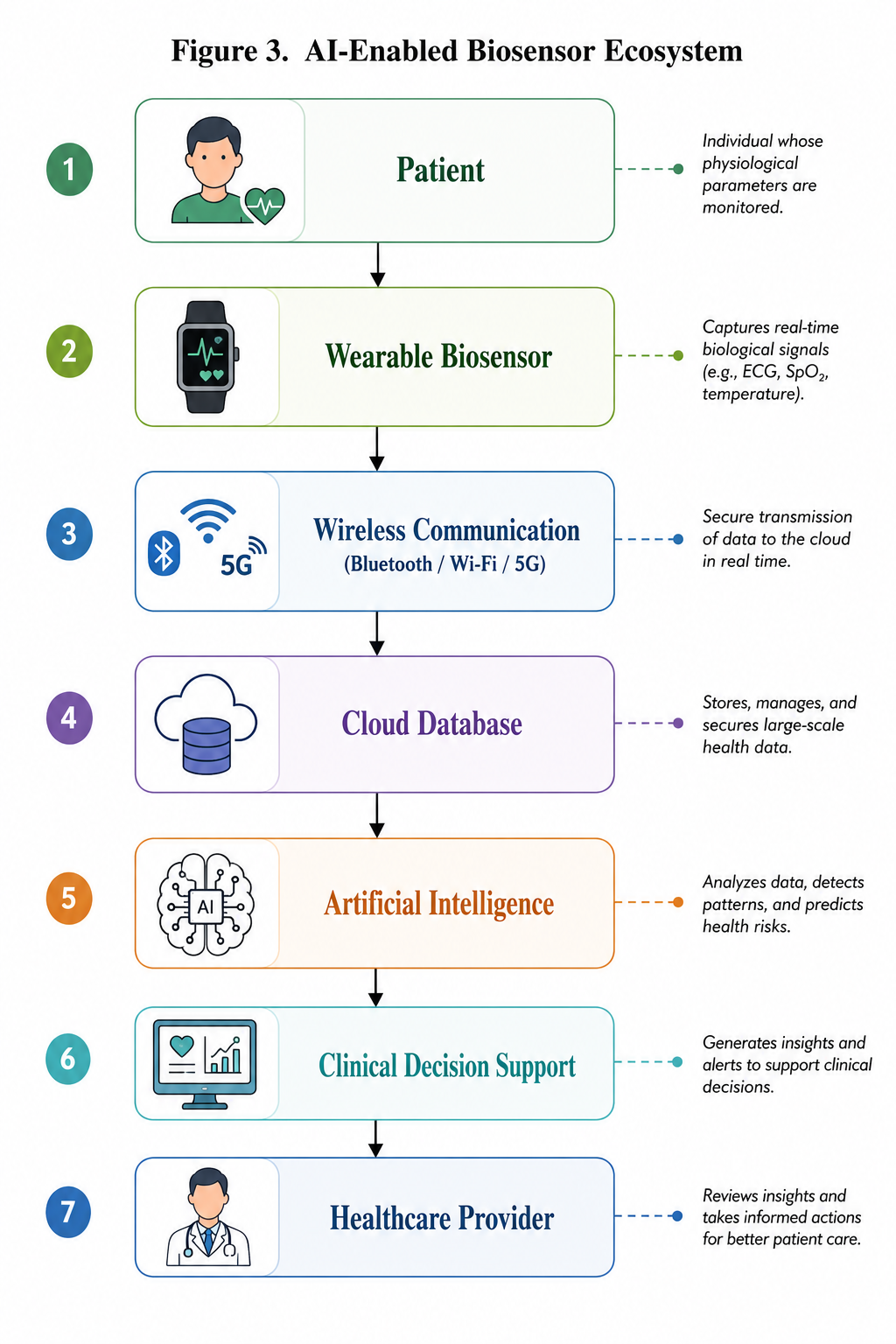
Figure 3. AI-enabled biosensor ecosystem.
11. Internet of Medical Things (IoMT)
IoMT refers to interconnected medical devices that collect, transmit, and analyze healthcare data in real time, forming a central component of digital-health ecosystems by linking biosensors, providers, and electronic health records. Integration with IoMT enables continuous remote monitoring, telemedicine, home-based healthcare, automated alerts, population-health surveillance, and predictive analytics, with cloud and edge computing enhancing performance by enabling rapid processing of large physiological datasets while reducing latency.
12. Cybersecurity and Ethical Considerations
As biosensors become increasingly connected through IoMT and cloud infrastructure, safeguarding patient data is critical: unauthorized access, breaches, and cyberattacks threaten both privacy and patient safety. Key considerations include confidentiality, data ownership and governance, informed consent for continuous monitoring, algorithm transparency, AI bias, compliance with data-protection regulations, and secure encryption/authentication. Future platforms should combine robust cybersecurity with explainable AI to promote trust, accountability, and responsible innovation.
13. Clinical Applications of Biosensors in Modern Healthcare
Biosensors have progressed beyond conventional laboratory diagnostics to become indispensable in point-of-care testing, wearable monitoring, telemedicine, and precision medicine, offering rapid response, high sensitivity, minimal sample requirements, portability, and reduced cost relative to traditional methods—advantages particularly valuable in LMICs with limited laboratory infrastructure [30], [31], [32], [33], [34].
13.1. Diabetes Mellitus
With an estimated 537 million adults living with diabetes in 2021 (projected to exceed 780 million by 2045), effective glycaemic control is essential to reducing cardiovascular, renal, retinal, and neuropathic complications. Electrochemical glucose biosensors remain the most successful commercial biosensor application, with successive generations improving analytical performance and convenience since Clark and Lyons’ first device [1,35]. Continuous glucose monitoring (CGM) provides real-time measurement, trend analysis, and hypo-/hyperglycaemia alerts, reducing reliance on finger-prick testing and improving HbA1c outcomes [36]. Emerging minimally and non-invasive biosensors measure glucose in interstitial fluid, sweat, saliva, and tears via skin patches, microneedle arrays, and wearable electrochemical sensors, though calibration, biofouling, and stability challenges persist [32,37]. AI integration with CGM further enables predictive glucose modelling and automated insulin dosing [38], [39].
Table 3. Selected Biosensor Technologies for Diabetes Management
|
Biosensor Platform |
Target Analyte |
Detection Principle |
Clinical Application |
|
Finger-stick glucose meter |
Blood glucose |
Electrochemical |
Routine self-monitoring |
|
Continuous glucose monitor |
Interstitial glucose |
Electrochemical |
Continuous monitoring |
|
Microneedle patch |
Interstitial glucose |
Electrochemical |
Minimally invasive monitoring |
|
Sweat biosensor |
Sweat glucose |
Electrochemical |
Emerging non-invasive monitoring |
|
Contact lens biosensor |
Tear glucose |
Optical/Electrochemical |
Experimental continuous monitoring |
13.2. Cardiovascular Diseases
Cardiovascular disease causes approximately 18 million deaths annually worldwide, making early diagnosis of myocardial infarction, heart failure, and arrhythmia critical. Electrochemical biosensors detecting cardiac troponins, B-type natriuretic peptide, creatine kinase-MB, and myoglobin—particularly high-sensitivity troponin assays—have improved speed and accuracy of diagnosis [40], [41]. Wearable ECG, PPG, and accelerometer-based devices support remote detection of atrial fibrillation, heart-rate variability, sleep-disordered breathing, and heart-failure decompensation, with AI-driven analysis further improving arrhythmia detection and risk prediction [42]. Emerging multimodal platforms combining physiological and biochemical monitoring are expected to play a growing role in preventive cardiology and home-based care.
13.3. Oncology
Biosensors offer sensitive, specific detection of tumor-associated biomarkers—prostate-specific antigen, carcinoembryonic antigen, alpha-fetoprotein, CA-125, and circulating tumor DNA—often below the limits of conventional laboratory methods, with nanotechnology (graphene, gold nanoparticles, quantum dots) further lowering detection limits [43], [44], [45], [46]. Liquid-biopsy approaches combining biosensors with microfluidics and molecular diagnostics enable minimally invasive detection of circulating tumor cells, extracellular vesicles, and nucleic acids [47], though large-scale validation and regulatory approval remain necessary before routine adoption.
13.4. Infectious Diseases
Rapid diagnosis is essential for outbreak control. During COVID-19, electrochemical, optical, and CRISPR-based biosensors detecting SARS-CoV-2 antigens, antibodies, and viral RNA demonstrated rapid turnaround with reduced reliance on centralized laboratories [48]. In sub-Saharan Africa, electrochemical biosensors targeting Plasmodium falciparum histidine-rich protein 2 (HRP2) and lactate dehydrogenase show promising sensitivity for malaria diagnosis in resource-constrained settings [49], and similar platforms are under development for tuberculosis [50], HIV, influenza, hepatitis, dengue, Ebola, malaria [51], and antimicrobial-resistance surveillance, increasingly integrated with microfluidics, AI, and smartphone diagnostics [52].
13.5. Neurological Disorders
Epilepsy, Parkinson’s disease, Alzheimer’s disease, and stroke present diagnostic challenges requiring continuous monitoring. Wearable EEG, EMG, accelerometer, and biochemical sensors enable continuous out-of-hospital monitoring, with AI-assisted analysis supporting seizure prediction, tremor quantification, gait analysis, and cognitive assessment. Emerging implantable biosensors capable of monitoring neurotransmitters and inflammatory biomarkers offer promise for personalized neurology, though biocompatibility, stability, and ethical oversight remain active research areas.
14. Emerging Clinical Applications
Maternal, fetal, and neonatal healthcare. Early detection of pre-eclampsia, gestational diabetes, preterm labour, and fetal hypoxia is essential for improving outcomes, particularly in LMICs. Electrochemical biosensors detecting hCG, placental growth factor, sFlt-1, and PAPP-A support early risk stratification of hypertensive pregnancy disorders, while wearable biosensors continuously monitoring maternal heart rate, blood pressure, contractions, oxygen saturation, and fetal heart rate support remote antenatal care [32,37,42,53]. Neonatal applications include non-invasive monitoring of oxygen saturation, bilirubin, glucose, and temperature in premature infants via flexible skin-mounted sensors, reducing discomfort from repeated blood sampling.
Respiratory diseases. COPD, asthma, pneumonia, pulmonary fibrosis, and ARDS remain leading causes of morbidity. Wearable biosensors measuring respiratory rate, SpO₂, airflow, exhaled nitric oxide, and volatile organic compounds proved central to home-based COVID-19 monitoring, enabling early detection of silent hypoxaemia [48]; flexible textile-based sensors and AI-assisted signal analysis now support long-term ambulatory monitoring and prediction of exacerbations.
Renal diseases. Chronic kidney disease often progresses silently, making early detection critical. Electrochemical biosensors for serum creatinine, cystatin C, urea, potassium, and urinary albumin show promising performance [31,43], and emerging wearable sweat/urine biosensors may eventually enable continuous hydration and electrolyte assessment, including integration into dialysis systems.
Sports medicine and rehabilitation. Wearable biosensors monitoring heart rate, lactate, EMG, joint motion, sweat electrolytes, hydration, temperature, and oxygen consumption support individualized exercise prescription, injury prevention, and performance optimization [37], while wearable inertial and pressure sensors increasingly quantify functional recovery after stroke, spinal-cord injury, and orthopaedic surgery.
15. CRISPR-Based Biosensors
CRISPR-based biosensors combine the gene-editing specificity of CRISPR-associated (Cas) proteins with sensitive biosensing platforms for rapid nucleic-acid detection, offering advantages over conventional PCR in speed and minimal infrastructure requirements while maintaining excellent sensitivity and specificity. Applications include SARS-CoV-2, tuberculosis, malaria, HPV, cancer-associated mutation, and antimicrobial-resistance gene detection; integration with microfluidics and smartphone imaging is expected to significantly advance point-of-care molecular diagnostics over the coming decade.
16. Commercial Biosensor Platforms
Several biosensor technologies have achieved widespread commercial and clinical adoption (Table 4), illustrating the field’s transition from research laboratories to routine clinical practice and consumer health technology.
Table 4. Selected Commercial Biosensor Systems
|
Product |
Technology |
Clinical Application |
|
|
|
|
|
Abbott FreeStyle Libre |
Electrochemical CGM |
Diabetes management |
|
Dexcom G7 |
Continuous glucose monitoring |
Diabetes |
|
Roche Accu-Chek |
Electrochemical |
Blood glucose monitoring |
|
Medtronic Guardian |
Implantable CGM |
Diabetes |
|
Apple Watch |
Optical PPG, ECG |
Cardiovascular monitoring |
|
AliveCor KardiaMobile |
ECG biosensor |
Arrhythmia detection |
|
Masimo Pulse Oximeter |
Optical sensing |
Oxygen saturation monitoring |
17. Regulatory Considerations
Regulatory approval remains a principal barrier to clinical translation. Medical biosensors must demonstrate analytical and clinical validity, clinical utility, safety, reliability, reproducibility, and cybersecurity, under oversight from agencies such as the U.S. FDA, European Medicines Agency, and WHO. International standardization (ISO 13485, ISO 14971, and related medical-device standards) is essential for consistent product quality and global commercialization.
18. Biosensors in Low- and Middle-Income Countries
Perhaps the greatest opportunity for biosensor technology lies in strengthening healthcare in LMICs, where limited laboratory infrastructure, shortages of trained personnel, delayed diagnosis, and high disease burden constrain care. Affordable point-of-care biosensors could transform diagnosis at community health centres and rural clinics for malaria, tuberculosis, HIV/AIDS, maternal complications, diabetes, hypertension, and sickle cell disease. Locally manufactured, low-cost biosensors could reduce dependence on imported diagnostics while strengthening healthcare resilience, stimulating innovation, technology transfer, and regional biomedical engineering capacity—particularly across Africa, where partnerships among universities, healthcare institutions, governments, and industry, combined with mobile-health integration for remote monitoring and specialist consultation, will be essential to realize this potential.
19. Current Challenges
Widespread clinical implementation remains constrained across several domains: technical (biofouling, limited long-term stability, calibration drift, signal interference, multiplex-detection complexity); manufacturing (high production cost, limited scalability, quality assurance, reproducibility); clinical (need for large-scale validation, clinical acceptance, user training, workflow integration); ethical (patient privacy, data security, algorithm transparency, AI bias, informed consent); and regulatory (lengthy approval processes, lack of international harmonization, variable jurisdictional requirements). Addressing these issues requires interdisciplinary collaboration among biomedical engineers, clinicians, data scientists, regulators, industry, and policymakers.
20. Future Perspectives
Biosensor technology is expected to be shaped by the convergence of biotechnology, AI, advanced materials, quantum engineering, and digital medicine [54], including: self-powered biosensors using energy harvesting; quantum biosensors with ultra-high sensitivity; digital-twin technologies integrating real-time data with predictive models; flexible, biodegradable biosensors for long-term implantation; multi-analyte wearable platforms; AI-driven precision-medicine platforms; and integration with 6G-enabled telemedicine and advanced IoMT ecosystems. These developments could transform biosensors from diagnostic tools into intelligent clinical decision-support systems underpinning preventive, predictive, personalized, and participatory (P4) medicine.
21. Discussion
This review shows that biosensor technologies have evolved from simple analytical devices into sophisticated platforms supporting precision medicine, continuous monitoring, and decentralized care, driven by advances in nanotechnology, materials science, microelectronics, AI, microfluidics, and IoMT [30,32,43]. Electrochemical biosensors continue to dominate clinical practice owing to affordability, speed, portability, and wearable compatibility—continuous glucose monitoring being the field’s most successful translation from laboratory to routine care [35], [36]—while optical biosensors retain superior sensitivity for oncology and molecular diagnostics despite higher cost and complexity [34,41]. Nanomaterials such as graphene, carbon nanotubes, gold nanoparticles, quantum dots, MXenes, and metal–organic frameworks have driven much of this progress by enabling pico- and femtomolar detection, improving early diagnosis across oncology, cardiology, infectious disease, and neurodegeneration [43–44,55]. The convergence of biosensors with AI has been similarly transformative, turning passive measurement devices into decision-support systems capable of predicting hypoglycaemia, arrhythmia, seizures, and clinical deterioration before overt symptoms emerge [42,56].
The COVID-19 pandemic further accelerated development of rapid, portable, scalable diagnostics—electrochemical, optical, CRISPR-based, and paper-based platforms for SARS-CoV-2 detection illustrated biosensors’ role in public-health emergency preparedness, with lessons likely to shape future response to emerging infections and antimicrobial resistance [48]. Wearable biosensors, meanwhile, have shifted care from episodic assessment to continuous, everyday monitoring, with flexible electronics, skin-interfaced sensors, and implantable devices expanding applications across cardiovascular medicine, endocrinology, respiratory care, sports medicine, and elderly care [32,37]. Despite this progress, biofouling, manufacturing complexity, high cost, and the absence of harmonized international standards continue to constrain implementation, underscoring the need for multidisciplinary collaboration among engineers, clinicians, materials scientists, computer scientists, manufacturers, and regulators.
22. Research Gaps
Several gaps warrant attention. Many studies remain confined to laboratory or small-scale clinical evaluation; large multicentre trials are needed to establish long-term reliability, cost-effectiveness, and clinical utility across diverse populations. Few studies address implementation in LMICs, where affordable platforms suited to challenging environmental conditions and limited technical expertise are needed. AI integration remains immature, often relying on relatively homogeneous datasets that may not represent diverse populations, underscoring the need for more robust, explainable models. Cybersecurity and ethical considerations remain underexplored given the volume of sensitive data generated by continuous monitoring, and comparatively little research addresses biodegradable, self-powered, environmentally sustainable biosensors—a promising direction for future work.
23. Strengths and Limitations of the Review
This review’s strengths include adherence to the PRISMA 2020 framework, synthesis across multiple high-quality databases, broad coverage of biosensor technologies and clinical applications, integration of emerging fields (AI, IoMT, nanotechnology, flexible electronics, CRISPR diagnostics), and attention to implementation challenges and research priorities relevant to both high-income and developing healthcare systems. Limitations include restriction to English-language publications, which may introduce language bias; substantial heterogeneity across platforms, applications, and performance metrics that precluded quantitative meta-analysis; possible publication bias favouring positive findings; and the rapid pace of innovation, meaning new platforms have likely emerged beyond the March 2026 search cutoff.
24. Conclusions
Biosensors have become indispensable technologies for disease diagnosis, physiological monitoring, and personalized healthcare, with integration of nanotechnology, AI, flexible electronics, microfluidics, and digital health enabling major gains in sensitivity, portability, and real-time decision support. Electrochemical biosensors continue to dominate clinical practice, while optical, FET, nanomaterial-based, and wearable biosensors expand the frontiers of precision medicine, and emerging technologies—CRISPR-based diagnostics, self-powered biosensors, implantable systems, and AI-driven predictive analytics—are expected to further reshape healthcare delivery. Significant challenges remain, including biofouling, regulatory complexity, cybersecurity, affordability, long-term stability, and equitable access, requiring sustained interdisciplinary collaboration among engineers, clinicians, computer scientists, regulators, policymakers, and industry. Biosensors are positioned to become foundational to future healthcare systems, supporting preventive, predictive, personalized, and participatory (P4) medicine across both high-income and resource-limited settings.
25. Recommendations
Based on this synthesis: (1) conduct large-scale multicentre clinical validation studies to establish long-term performance and utility; (2) develop internationally harmonized standards for biosensor evaluation and regulation; (3) increase investment in affordable biosensor technologies for LMICs, alongside local manufacturing and technology transfer; (4) strengthen interdisciplinary collaboration among engineers, clinicians, materials scientists, AI researchers, and policymakers; (5) promote explainable AI and robust cybersecurity frameworks to improve transparency and trust; (6) prioritize multiplex, self-powered, and biodegradable biosensor development; and (7) integrate biosensor technologies into national public-health strategies for early disease detection, chronic-disease management, and outbreak response.
Author Contributions
Conceptualization, W.B.D.; methodology, W.B.D. and H.E.A.; investigation, W.B.D., H.E.A., O.E.O. and T.A.; data curation, W.B.D. and O.E.O.; writing—original draft preparation, W.B.D.; writing—review and editing, H.E.A., O.E.O. and T.A.; visualization, W.B.D.; supervision, W.B.D. All authors have read and agreed to the submitted version of the manuscript.
Funding
This research received no external funding.
Data and Code Availability
No new data or code were generated or analyzed in this study, as this article is a systematic review of previously published literature. Data extraction records are available from the corresponding author upon reasonable request.
Acknowledgments
The authors acknowledge the Clinical Skills Laboratory, Niger Delta University, the Department of Science Laboratory Technology, University of Port Harcourt, and Bayelsa Medical University, for institutional support during the preparation of this review. An AI language assistant (Claude, Anthropic) was used to assist with condensing manuscript length, converting reference formatting, and language editing; all scientific content, analysis, and conclusions were reviewed and verified by the authors, who take full responsibility for the accuracy of the manuscript.
Disclosures
The authors declare no conflicts of interest.
References
[1] L. C. Clark, Jr. and C. Lyons, “Electrode systems for continuous monitoring in cardiovascular surgery,” Annals of the New York Academy of Sciences, 102, 29–45 (1962).
[2] M. J. Page et al., “The PRISMA 2020 statement: An updated guideline for reporting systematic reviews,” BMJ, 372, n71 (2021).
[3] R. Wilson and A. P. F. Turner, “Glucose oxidase: An ideal enzyme,” Biosensors and Bioelectronics, 7(3), 165–185 (1992).
[4] D. Grieshaber et al., “Electrochemical biosensors—Sensor principles and architectures,” Sensors, 8(3), 1400–1458 (2008).
[5] J. Wang, Analytical electrochemistry (3rd ed.). John Wiley & Sons (2006).
[6] M. Vestergaard, K. Kerman, and E. Tamiya, “An overview of label-free electrochemical protein sensors,” Sensors, 7(12), 3442–3458 (2007).
[7] Y. Wang et al., “Electrochemical sensors for clinic analysis,” Sensors, 8(4), 2043–2081 (2008).
[8] M. Li et al., “Recent developments and applications of screen-printed electrodes in environmental assays—A review,” Analytica Chimica Acta, 734, 31–44 (2012).
[9] C. Zhu et al., “Electrochemical sensors and biosensors based on nanomaterials and nanostructures,” Analytical Chemistry, 87(1), 230–249 (2015).
[10] A. Zhang and C. M. Lieber, “Nano-bioelectronics,” Chemical Reviews, 116(1), 215–257 (2016).
[11] X. Xie, W. Xu, and X. Liu, “Improving colorimetric assays through nanotechnology and biosensing applications,” Accounts of Chemical Research, 45(9), 1511–1520 (2012).
[12] Z. Gao et al., “Recent progress in nanomaterial-based electrochemical biosensors for cancer diagnostics,” Biosensors, 13(8), 765 (2023).
[13] G. M. Whitesides, “The origins and the future of microfluidics,” Nature, 442(7101), 368–373 (2006).
[14] Y. Lu et al., “Low-cost, rapid prototyping of paper-based microfluidics with wax printing,” Lab on a Chip, 9(24), 3493–3496 (2009).
[15] H. Yoon et al., “Recent advances in microfluidic devices for point-of-care diagnostics,” Lab on a Chip, 18(4), 527–542 (2018).
[16] D. W. Hwang et al., “Recent advances in biosensor technologies for rapid detection of foodborne pathogens,” Sensors, 18(7), 2182 (2018).
[17] J. A. Rogers, T. Someya, and Y. Huang, “Materials and mechanics for stretchable electronics,” Science, 327(5973), 1603–1607 (2010).
[18] A. Gao et al., “Flexible wearable biosensors for continuous health monitoring: Materials, design strategies, and future perspectives,” Advanced Functional Materials, 33(15), 2212254 (2023).
[19] W. Gao et al., “Fully integrated wearable sensor arrays for multiplexed in situ perspiration analysis,” Nature, 529(7587), 509–514 (2016).
[20] J. R. Sempionatto et al., “Wearable chemical sensors for biomarker discovery and clinical monitoring,” Nature Reviews Chemistry, 5(10), 713–735 (2021).
[21] X. Jin et al., “Flexible electrochemical biosensors for wearable healthcare monitoring,” Biosensors, 13(4), 412 (2023).
[22] S. Xu et al., “Soft microfluidic assemblies of sensors, circuits, and radios for the skin,” Science, 344(6179), 70–74 (2014).
[23] Y. Yang et al., “A laser-engraved wearable sensor for sensitive detection of uric acid and tyrosine in sweat,” Nature Biotechnology, 38(2), 217–224 (2020).
[24] H. C. Koydemir and A. Ozcan, “Wearable and implantable sensors for biomedical applications,” Annual Review of Analytical Chemistry, 11, 127–146 (2018).
[25] T. Someya, Z. Bao, and G. G. Malliaras, “The rise of plastic bioelectronics,” Nature, 540(7633), 379–385 (2016).
[26] R. Ghaffari, J. A. Rogers, and T. R. Ray, “Skin-interfaced wearable biosensors for personalized medicine,” Nature Reviews Bioengineering, 1(5), 342–360 (2023).
[27] G. Liu et al., “Artificial intelligence-enabled biosensing technologies for next-generation precision medicine,” Advanced Healthcare Materials, 13(5), 2301456 (2024).
[28] L. Yan et al., “Artificial intelligence-assisted wearable biosensors for precision healthcare,” Advanced Intelligent Systems, 5(4), 2300214 (2023).
[29] Y. Gao et al., “Artificial intelligence-enabled wearable biosensors for precision healthcare: Current advances and future opportunities,” Biosensors and Bioelectronics, 252, 115962 (2024).
[30] A. P. F. Turner, “Biosensors: Sense and sensibility,” Chemical Society Reviews, 42(8), 3184–3196 (2013).
[31] C. I. L. Justino, A. C. Duarte, and T. A. P. Rocha-Santos, “Critical overview on the application of sensors and biosensors for clinical analysis,” TrAC Trends in Analytical Chemistry, 72, 73–86 (2015).
[32] J. Kim et al., “Wearable biosensors for healthcare monitoring,” Nature Biotechnology, 37(4), 389–406 (2019).
[33] V. Gubala et al., “Point-of-care diagnostics: Status and future,” Analytical Chemistry, 84(2), 487–515 (2012).
[34] C. Dincer et al., “Disposable sensors in diagnostics, food, and environmental monitoring,” Advanced Materials, 31(30), 1806739 (2019).
[35] A. Heller and B. Feldman, “Electrochemical glucose sensors and their applications in diabetes management,” Chemical Reviews, 108(7), 2482–2505 (2008).
[36] L. Heinemann, “Continuous glucose monitoring: Roadmap for the future,” Journal of Diabetes Science and Technology, 12(5), 1010–1017 (2018).
[37] A. J. Bandodkar, I. Jeerapan, and J. Wang, “Wearable chemical sensors: Present challenges and future prospects,” ACS Sensors, 4(5), 1207–1219 (2019).
[38] J. Wang, “Electrochemical glucose biosensors,” Chemical Reviews, 108(2), 814–825 (2008).
[39] I. Lee et al., “Continuous glucose monitoring systems—Current status and future perspectives of the flagship technology in biosensor research,” Biosensors, 11(6), 184 (2021).
[40] F. S. Apple and P. O. Collinson, “Analytical characteristics of high-sensitivity cardiac troponin assays,” Clinical Chemistry, 58(1), 54–61 (2012).
[41] M. Labib and E. H. Sargent, “Electrochemical methods for the analysis of clinically relevant biomolecules,” Chemical Reviews, 120(9), 5100–5149 (2020).
[42] T. R. Ray et al., “Bio-integrated wearable systems: A comprehensive review of recent advances and future perspectives,” Chemical Reviews, 119(8), 5461–5533 (2019).
[43] V. Naresh and N. Lee, “A review on biosensors and recent development of nanostructured materials-enabled biosensors,” Sensors, 21(4), 1109 (2021).
[44] M. Ramesh et al., “Nanotechnology-enabled biosensors: A review of fundamentals, design principles, materials, and applications,” Biosensors, 13(1), 40 (2023).
[45] Y. Zhang et al., “Recent advances in biosensors for cancer biomarker detection,” Biosensors and Bioelectronics, 197, 113795 (2022).
[46] C. A. K. Borrebaeck, “Precision diagnostics: Moving towards protein biomarker signatures of clinical utility in cancer,” Nature Reviews Cancer, 17(3), 199–204 (2017).
[47] J. D. Cohen et al., “Detection and localization of surgically resectable cancers with a multi-analyte blood test,” Science, 359(6378), 926–930 (2018).
[48] N. Ravi et al., “Diagnostics for SARS-CoV-2 detection: A comprehensive review of the FDA emergency use authorization (EUA) COVID-19 testing landscape,” Biosensors and Bioelectronics, 165, 112454 (2020).
[49] T. T. Nguyen et al., “Detection of malarial biomarkers by electrochemical biosensors,” Biosensors and Bioelectronics, 165, 112385 (2020).
[50] World Health Organization, Global tuberculosis report 2024. WHO (2024).
[51] World Health Organization, World malaria report 2024. WHO (2024).
[52] T. Laksanasopin et al., “A smartphone dongle for diagnosis of infectious diseases at the point of care,” Science Translational Medicine, 7(273), 273re1 (2015).
[53] World Health Organization, Global report on diabetes. WHO (2023).
[54] J. Li et al., “Micro/nanorobots for biomedicine: Delivery, surgery, sensing, and detoxification,” Science Robotics, 2(4), eaam6431 (2017).
[55] P. Patial et al., “Recent advances in nanostructured biosensors for point-of-care diagnostics,” Biosensors and Bioelectronics, 248, 115994 (2025).
[56] H. Raji, P. Ghaderyan, and G. Karimi, “Artificial intelligence-assisted biosensors for point-of-care diagnostics,” Biosensors and Bioelectronics, 183, 113220 (2021).
|
Cite this Article: Debekeme, WB; Alpha, EH; Okoye, OE; Amakoromo, T (2026). Advances in Biosensor Technologies for Modern Healthcare: A Systematic Review of Clinical Applications, Wearable Systems, and Future Perspectives. Greener Journal of Biomedical and Health Sciences, 9(1): 173-186, https://doi.org/10.15580/gjbhs.2026.1.091026159. |