Greener Journal of Environment Management and Public Safety
ISSN: 2354-2276
Vol. 14(1), pp. 41-50, 2026
Copyright ©2026, Creative Commons Attribution 4.0 International.

|
Greener Journal of Environment Management and Public Safety ISSN: 2354-2276 Vol. 14(1), pp. 41-50, 2026 Copyright ©2026, Creative Commons Attribution 4.0 International. |
|
Optimization of Biogas Production from Anaerobic Co-Digestion of Cattle Rumen Content and Water Hyacinth
Akingba Olawale Olamigoke*, Soyoye Babatunde Oluwamayokun, Agbetoye Leo Ayodeji Sunday
Federal University of Technology, Akure, Ondo State, Nigeria.
|
ABSTRACT |
|||
|
The increasing demand for sustainable energy sources and environmentally friendly waste management technologies has stimulated interest in biogas production from organic residues. This study evaluated the optimization of biogas production through the anaerobic co-digestion of cattle rumen content and water hyacinth (Eichhornia crassipes), utilizing a dominant rumen substrate mixture containing 70% cattle rumen content and 30% water hyacinth. Fresh cattle rumen content was obtained from an abattoir, while water hyacinth was harvested from a freshwater body. A total of 68.5 kg of cattle rumen content and 10.1 kg of water hyacinth were mixed with 67.5 L of water to produce a slurry weighing 146.1 kg. The slurry was subjected to anaerobic digestion in a batch biodigester, and biogas production was monitored using a calibrated gas flow meter. The initial and final gas flow meter readings were 301.00 m³ and 389.80 m³, respectively, resulting in a cumulative biogas yield of 88.80 m³. The specific biogas yield based on the total slurry mass was 0.608 m³ kg⁻¹, while the specific yield based on the organic feedstock mass (78.6 kg) was 1.13 m³ kg⁻¹. The substantial biogas production obtained was attributed to the synergistic interaction between cattle rumen microorganisms and the biodegradable organic matter present in water hyacinth. The co-digestion process enhanced substrate degradation and methane generation, demonstrating the effectiveness of combining animal waste with aquatic biomass for renewable energy production. The findings indicate that cattle rumen content serves as an effective inoculum and nutrient source for anaerobic digestion, while water hyacinth provides additional organic matter that supports biogas generation. The study highlights the potential of utilizing slaughterhouse waste and invasive aquatic weeds as low-cost feedstocks for sustainable energy production. Consequently, the co-digestion of cattle rumen content and water hyacinth represents a viable waste-to-energy strategy capable of contributing to environmental management, renewable energy development, and resource recovery. |
|||
|
ARTICLE’S INFO |
|||
|
Article No.: 083026128 Type: Research Full Text: PDF, PHP, HTML, EPUB, MP3 DOI: 10.15580/gjemps.2026.1.073026128
Accepted: 31/07/2026 Published: 16/08/2026
Keywords: Anaerobic digestion, Biogas production, Cattle rumen content, Water hyacinth, Renewable energy |
*Corresponding Author
Akingba Olawale Olamigoke
Address: Federal University of Technology, Akure, Ondo State, Nigeria.
E-mail: Akingba.o@ncee.org.ng |
Article’s QR code
|
|
|
|
|
|
|
INTRODUCTION
The increasing global demand for energy, coupled with the environmental challenges associated with fossil fuel utilization, has intensified the search for renewable and sustainable energy sources (Omondi et al., 2023). Among the various renewable energy alternatives, biogas production through anaerobic digestion has emerged as an environmentally friendly technology capable of converting organic wastes into valuable energy while simultaneously reducing environmental pollution (Ali et al., 2022, Honlah et al., 2012). Anaerobic digestion is a biological process in which microorganisms decompose organic matter in the absence of oxygen, producing biogas composed primarily of methane (CH₄) and carbon dioxide (CO₂), along with digestate that can be utilized as organic fertilizer (Alengebawy et al., 2024). The technology offers a sustainable solution for waste management, greenhouse gas mitigation, and renewable energy generation, particularly in developing countries where large quantities of agricultural and agro-industrial wastes are generated annually (Hagos et al., 2026).
Livestock production systems generate substantial amounts of organic wastes, including rumen contents from slaughterhouses (Momodu and Adepoju 2021). Improper disposal of rumen waste poses significant environmental and public health concerns due to odor generation, water contamination, and the release of greenhouse gases (Tobo et al., 2020). Rumen contents are rich in partially digested plant materials, microorganisms, and nutrients, making them suitable substrates for anaerobic digestion. The microbial community naturally present in rumen waste facilitates the degradation of complex lignocellulosic materials and enhances methane production during anaerobic digestion. Consequently, the utilization of rumen content for biogas generation presents an effective approach for converting slaughterhouse waste into renewable energy while minimizing environmental pollution (Omondi et al., 2023). However, the anaerobic digestion of a single substrate may be limited by nutrient imbalance, poor carbon-to-nitrogen ratio, and process instability, which can negatively affect biogas yield (Klaus and Hughes 2020).
Co-digestion, which involves the simultaneous digestion of two or more substrates, has been widely recognized as an effective strategy for improving biogas production. Co-digestion enhances nutrient balance, microbial diversity, moisture content, and buffering capacity within the digester, leading to increased methane yield and process stability (Alengebawy et al., 2024). Studies have demonstrated that the co-digestion of animal wastes with plant biomass can significantly improve biogas production compared to mono-digestion systems. The synergistic interactions between substrates often provide favorable conditions for microbial growth and efficient degradation of organic matter, resulting in higher energy recovery.
Water hyacinth (Eichhornia crassipes) is one of the world's most invasive aquatic weeds and has become a major environmental challenge in many freshwater ecosystems. The rapid proliferation of water hyacinth obstructs waterways, impedes navigation, reduces dissolved oxygen levels, affects aquatic biodiversity, and interferes with fishing activities. In many developing countries, considerable financial resources are expended annually on the control and removal of water hyacinth from rivers, lakes, and reservoirs. Despite these challenges, water hyacinth possesses considerable potential as a renewable biomass resource due to its high organic matter content and rapid growth rate (Ingabire et al., 2023). The conversion of water hyacinth into biogas through anaerobic digestion provides an environmentally sustainable approach to weed management while simultaneously generating renewable energy.
Previous studies have shown that water hyacinth can serve as a suitable substrate for biogas production, although its high lignocellulosic content may limit biodegradability when digested alone. Pretreatment methods and co-digestion with animal wastes have therefore been explored to enhance its biogas potential (Ilo et al., 2024). Research has demonstrated that co-digestion of water hyacinth with cattle dung significantly increases methane production due to improved nutrient availability and microbial activity (Rani et al., 2022). Similarly, the co-digestion of water hyacinth with various organic wastes has been reported to improve process efficiency, volatile solids reduction, and biogas yield (Ingabire et al., 2023).
The combination of cattle rumen content and water hyacinth represents a promising substrate mixture for anaerobic digestion. Rumen waste provides a rich source of anaerobic microorganisms and nitrogenous compounds, while water hyacinth contributes readily available carbohydrates and cellulose (Ilo et al., 2021). The complementary characteristics of these substrates may promote synergistic interactions that enhance microbial degradation and methane generation (Singh et al., 2020). Furthermore, the utilization of these waste materials contributes to sustainable waste management practices and supports the circular bioeconomy by transforming environmental pollutants into valuable energy resources. Recent investigations on co-digestion systems have emphasized the importance of optimizing substrate ratios to maximize biogas production and improve process stability (Omondi et al., 2023; Alengebawy et al., 2024).
Optimization of substrate composition is a critical aspect of anaerobic digestion because the proportion of feedstock components directly influences microbial activity, pH stability, nutrient availability, and methane yield. An inappropriate substrate ratio may result in nutrient deficiencies, accumulation of volatile fatty acids, ammonia inhibition, or poor digestion efficiency. Therefore, determining the optimum ratio of cattle rumen content and water hyacinth is essential for maximizing biogas production and ensuring efficient digester performance. Studies involving co-digestion of aquatic weeds and animal wastes have consistently reported that optimized feedstock mixtures enhance methane concentration, reduce retention time, and improve overall energy recovery (Rani et al., 2022; Ingabire et al., 2023).
Despite the growing interest in utilizing water hyacinth and livestock wastes for renewable energy production, limited information exists regarding the optimization of biogas production from the co-digestion of cattle rumen content and water hyacinth under tropical conditions. Moreover, there remains a need to evaluate the performance of dominant substrate combinations and determine their suitability for large-scale biogas generation. This study was therefore conducted to optimize biogas production from the anaerobic co-digestion of cattle rumen content and water hyacinth, with emphasis on evaluating the performance of a substrate mixture containing 70% cattle rumen content and 30% water hyacinth. The findings are expected to contribute to sustainable waste management strategies, renewable energy development, and environmental conservation through the valorization of slaughterhouse waste and invasive aquatic weeds.
MATERIALS AND METHODS
Study Area
The experiment was conducted at the Department of Agricultural and Environmental Engineering, School of Engineering and Engineering Technology, Federal University of Technology, Akure, Ondo State, Nigeria, where facilities for anaerobic digestion and biogas monitoring were available. The study was designed to evaluate the biogas production potential of a substrate mixture containing cattle rumen content and water hyacinth under anaerobic conditions.
Collection and Preparation of Feedstock
Fresh cattle rumen content was collected from a nearby abattoir immediately after slaughtering operations. The rumen content was transported to the laboratory in clean containers to prevent contamination and excessive degradation before use. Fresh water hyacinth (Eichhornia crassipes) was harvested from a nearby freshwater body. The harvested water hyacinth was washed thoroughly with clean water to remove adhering soil particles, debris, and other impurities.
The water hyacinth was chopped into smaller pieces to increase the surface area available for microbial degradation and facilitate homogeneous mixing with the rumen content. The prepared substrates were weighed using a digital weighing balance prior to charging the digester.
Experimental Design and Digester Loading
The experiment consisted of the anaerobic co-digestion of cattle rumen content and water hyacinth. A dominant rumen substrate mixture containing 70% cattle rumen content and 30% water hyacinth was prepared for biogas production.
A total of 68.5 kg of cattle rumen content and 10.1 kg of water hyacinth were mixed thoroughly. Thereafter, 67.5 L of water was added to obtain a slurry suitable for anaerobic digestion. The total substrate loaded into the digester was 146.1 kg, comprising cattle rumen content, water hyacinth, and water (Table 1).
The prepared slurry was introduced into a batch anaerobic digester and mixed thoroughly to ensure uniform distribution of the substrates. The digester was subsequently sealed to maintain anaerobic conditions throughout the digestion period.
Table 1: Composition of the Experimental Slurry
|
Component |
Quantity |
|
Cattle rumen content |
68.5 kg |
|
Water hyacinth |
10.1 kg |
|
Water |
67.5 L |
|
Total slurry |
146.1 kg |
Anaerobic Digestion Process
The digestion process was carried out under anaerobic conditions in a batch-type biodigester. The digester was monitored regularly for gas production throughout the retention period. During digestion, naturally occurring anaerobic microorganisms present in the rumen content facilitated the breakdown of organic matter contained in both the rumen substrate and water hyacinth.
Biogas generated during the digestion process was collected through a gas outlet connected to a calibrated gas flow meter. The flow meter enabled continuous monitoring and measurement of cumulative biogas production.
Measurement of Biogas Production
Biogas production was determined using a gas flow meter attached to the digester system. The initial and final flow meter readings were recorded at the beginning and end of the digestion period, respectively.
The volume of biogas produced was calculated using the equation:
Determination of Specific Biogas Yield
The specific biogas yield was determined by dividing the total volume of biogas produced by the total substrate mass loaded into the digester.
------ Equation 1
Data Analysis
The data obtained from the experiment were analyzed using descriptive statistics. Total biogas yield and specific biogas yield were calculated and expressed in cubic meters (m³) and cubic meters per kilogram of substrate (m³ kg⁻¹), respectively. The performance of the dominant rumen mixture was evaluated based on cumulative biogas production and substrate conversion efficiency.
RESULTS AND DISCUSSION
Biogas Yield from the Co-Digestion of Cattle Rumen Content and Water Hyacinth
The anaerobic co-digestion of cattle rumen content and water hyacinth resulted in the production of a substantial quantity of biogas. A total of 68.5 kg of cattle rumen content, 10.1 kg of water hyacinth, and 67.5 L of water were used to prepare a slurry weighing 146.1 kg. The initial gas flow meter reading before commencement of digestion was 301.00 m³, while the final reading at the end of the digestion period was 389.80 m³ (Table 2). The total biogas yield was calculated using Equation 2:
Biogas Yield (m3) = Final Flow Meter Reading - Initial Flow Meter Reading - Equation 2
= 389.80 - 301.00
= 88.80 m3
Thus, the co-digestion process produced a cumulative biogas volume of 88.80 m³.
Table 2. Biogas yield from the dominant rumen substrate mixture
|
Parameter |
Value |
|
Initial flow meter reading (m³) |
301.00 |
|
Final flow meter reading (m³) |
389.80 |
|
Total biogas yield (m³) |
88.80 |
The production of 88.80 m³ of biogas indicates that the substrate mixture provided suitable conditions for anaerobic microbial activity. The relatively high gas yield may be attributed to the synergistic effect between cattle rumen content and water hyacinth. Cattle rumen content contains active cellulolytic and methanogenic microorganisms capable of degrading fibrous plant materials, while water hyacinth provides biodegradable carbohydrates and cellulose that serve as substrates for methane-producing microorganisms.
The result agrees with the findings of Omondi et al. (2023), who reported enhanced biogas production when water hyacinth was co-digested with ruminal slaughterhouse waste due to improved microbial degradation of lignocellulosic materials. Similarly, Rani et al. (2022) observed that combining aquatic weeds with animal-derived organic wastes significantly increased methane production compared with mono-digestion systems.
The observed biogas yield demonstrates the effectiveness of utilizing slaughterhouse rumen waste and invasive water hyacinth as renewable energy resources. Apart from generating energy, the process contributes to environmental sustainability by reducing organic waste accumulation and minimizing pollution associated with improper disposal of these materials.
Specific Biogas Yield
Specific biogas yield provides an indication of the efficiency of substrate conversion into biogas and is an important parameter for evaluating digester performance. The specific biogas yield was determined using the total slurry mass and the mass of organic feedstock.
Specific Biogas Yield Based on Total Slurry Mass
The total slurry mass used in the experiment was 146.1 kg. The specific biogas yield was calculated using Equation 3.
Specific Biogas Yield = Total Biogas Produced / Total Slurry Mass ---- Equation 3
= 88.80/46.1
= 0.608 m3
Therefore, the specific biogas yield based on total slurry mass was 0.608 m³ kg⁻¹.
Specific Biogas Yield Based on Organic Feedstock Mass
The total organic feedstock consisted of cattle rumen content and water hyacinth only.
The Organic Feedstock Mass = 68.5+10.1
=78.6 kg
The specific biogas yield based on organic feedstock mass was calculated as:
= 88.80/78.6
=1.13 m3 kg-1
Thus, the specific biogas yield based on organic substrate was 1.13 m³ kg⁻¹.
Table 3. Specific biogas yield of the substrate mixture
|
Parameter |
Value |
|
Total slurry mass (kg) |
146.1 |
|
Organic feedstock mass (kg) |
78.6 |
|
Total biogas produced (m³) |
88.80 |
|
Specific biogas yield based on total slurry (m³ kg⁻¹) |
0.608 |
|
Specific biogas yield based on organic feedstock (m³ kg⁻¹) |
1.13 |
From Table 3, the specific biogas yield values obtained in this study indicate efficient substrate utilization and favorable digestion conditions. The value of 0.608 m³ kg⁻¹ based on total slurry mass demonstrates that each kilogram of slurry introduced into the digester generated approximately 0.61 m³ of biogas. Furthermore, the organic-feedstock-specific yield of 1.13 m³ kg⁻¹ suggests that the biodegradable fraction of the substrate was effectively converted into gaseous products.
The high specific biogas yield may be attributed to the microbial richness of cattle rumen content, which serves both as a substrate and a natural inoculum. Rumen microorganisms possess strong cellulolytic activity and can efficiently degrade plant biomass such as water hyacinth. According to Alengebawy et al. (2024), co-digestion systems often achieve higher biogas yields than single-substrate systems because nutrient deficiencies are minimized and microbial diversity is enhanced.
The findings are consistent with those of Ingabire et al. (2023), who reported improved biogas productivity from co-digestion systems involving water hyacinth and organic wastes. The enhanced gas yield was attributed to improved carbon-to-nitrogen balance, increased microbial activity, and greater substrate biodegradability. Similarly, Ilo et al. (2024) observed that water hyacinth can contribute significantly to methane generation when combined with suitable organic inocula capable of degrading fibrous biomass.
The cumulative biogas yield of 88.80 m³ and the specific biogas yield of 1.13 m³ kg⁻¹ organic substrate demonstrate that the dominant rumen mixture was highly effective for anaerobic digestion. The results indicate that cattle rumen content can successfully serve as a microbial inoculum and nutrient-rich co-substrate for enhancing the digestion of water hyacinth.
The findings further suggest that the utilization of rumen waste and water hyacinth for biogas production can provide a sustainable solution to two environmental challenges: the disposal of slaughterhouse wastes and the management of invasive aquatic weeds. By converting these materials into renewable energy, anaerobic digestion contributes to waste valorization, environmental protection, and sustainable energy development.
Overall, the high biogas yield and specific biogas productivity obtained in this study confirm that co-digestion of cattle rumen content and water hyacinth is a promising strategy for renewable energy generation and resource recovery.
Group Mean Values
Pressure
The average pressure increased progressively with the lowest mean pressure (5.49 psi) and the highest mean pressure of 8.69 psi. This trend suggests that the digestion conditions is supported more intensive microbial activity, resulting in greater biogas accumulation within the digesters.
The gradual increase in pressure from indicates that the co-digestion process became more efficient across the treatment groups. Higher pressure is typically associated with greater biogas accumulation and enhanced microbial decomposition of organic matter.
The superior performance of the group may be attributed to:
 Better substrate balance between cattle rumen content and water hyacinth.
Improved carbon-to-nitrogen ratio.
Increased availability of biodegradable organic matter.
Enhanced activity of methanogenic microorganisms.
Pressure Development
The pressure values generally increased as digestion progressed. Early measurements in late March were mostly below 8 psi, while values in April and early May reached 10–15 psi. This indicates progressive microbial adaptation and enhanced methanogenic activity.
Gas Production
Gas production followed a similar trend to pressure. Early production values were approximately 8,000–52,000 units, increasing steadily to over 100,000 units during the later stages of digestion. The highest recorded gas yield was observed toward the end of the monitoring period, suggesting that the cattle rumen content–water hyacinth mixture provided a favorable substrate balance for anaerobic digestion.
The results demonstrated a gradual increase in both pressure and gas production throughout the anaerobic co-digestion process. Pressure increased from approximately 3.6 psi during the early stages of digestion to values exceeding 11 psi during peak digestion. Similarly, gas production increased from approximately 24,821 units to over 80,000 units. The strong positive relationship between pressure and gas yield indicates that increased microbial activity enhanced substrate degradation and methane generation. The findings suggest that co-digestion of cattle rumen content and water hyacinth is an effective strategy for optimizing biogas production and improving renewable energy recovery from organic wastes.
Pressure Variation during Anaerobic Digestion
Pressure increased with digestion time, indicating accumulation of biogas within the digester. The increase suggests active degradation of organic matter and establishment of stable anaerobic conditions (Figure 1).
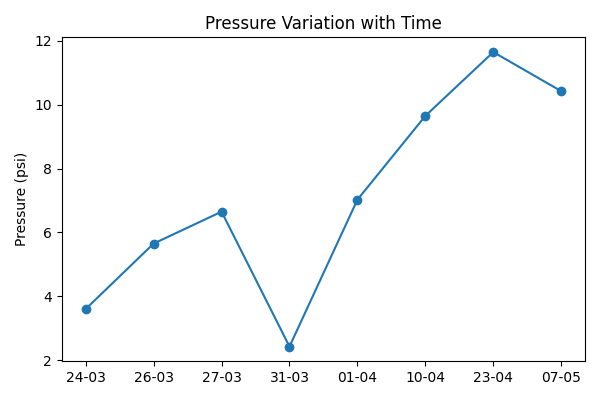
Figure 1: Pressure variation with time
The pressure generated within the digesters increased progressively throughout the digestion period, indicating active microbial degradation of the substrate mixture and accumulation of biogas. Initial pressure values ranged between approximately 1.2 and 5.8 psi during the start-up phase, while peak values of up to 15.2 psi were recorded during the later stages of digestion.
The increasing trend in pressure reflects successful establishment of anaerobic conditions and enhanced activity of methanogenic microorganisms. During the initial phase of digestion, microbial communities undergo acclimatization and adaptation to the substrate. As digestion progresses, hydrolytic, acidogenic, acetogenic, and methanogenic bacteria become more active, resulting in increased gas accumulation and consequently higher digester pressure. The pressure profile demonstrates that gas accumulation increased substantially after the initial adaptation period, reaching maximum values during the middle and late phases of digestion. Similar observations have been reported in previous studies where co-digestion improved microbial activity through nutrient balancing and enhanced substrate biodegradability.
Relationship Between Time and Gas Production
Gas production rose gradually during the digestion period, reflecting increased microbial breakdown of lignocellulosic material from water hyacinth and readily degradable organic matter from rumen content (Figure 2).
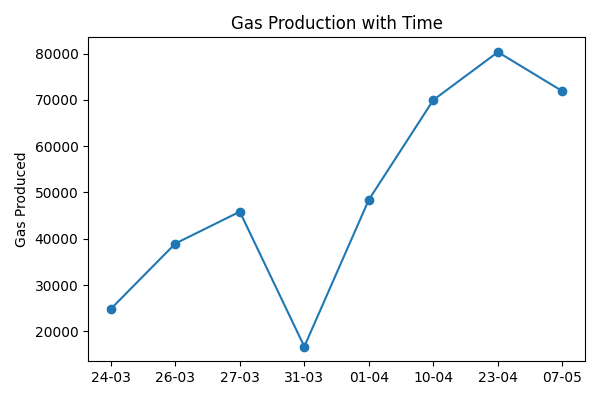
Figure 2: Gas production with time
Relationship between Pressure and Gas Production
A positive relationship exists between pressure and gas yield. As more biogas accumulated, internal digester pressure increased. This relationship confirms that pressure can serve as an indirect indicator of biogas production performance (Figure 3).
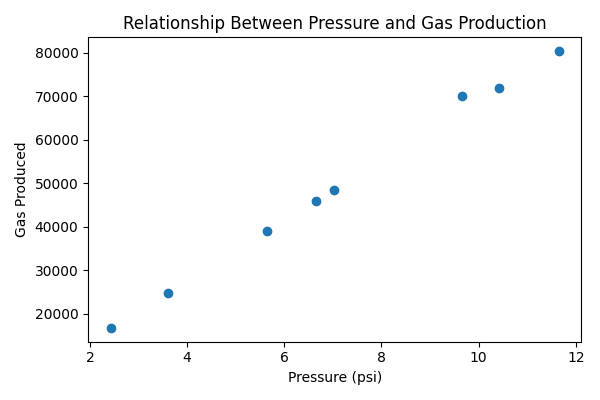
Figure 3: Pressure and gas produced
Biogas Production during Digestion
Biogas production exhibited a steady increase throughout the experimental period. The lowest gas yields were observed during the early stages of digestion, whereas the highest yields occurred during the latter stages. The progressive increase in gas production demonstrates the effectiveness of co-digesting cattle rumen content and water hyacinth. Cattle rumen content provides a rich microbial inoculum and nitrogen source, while water hyacinth contributes readily degradable carbohydrates and cellulose. The synergistic interaction between these substrates likely improved digestion efficiency and methane generation.
The highest gas yield was recorded during late April, corresponding with the highest pressure measurements. This indicates that the digestion process reached its optimum performance during this period.
Relationship between Pressure and Gas Production
To evaluate the association between digester pressure and gas yield, Pearson correlation and linear regression analyses were performed.
Correlation Analysis
The Pearson correlation coefficient between pressure and gas production was r= 0.95 indicates an extremely strong positive relationship (p = 0.001) between pressure and gas production. The statistically significant p-value at p<0.05 confirms that the observed relationship was not due to random variation.
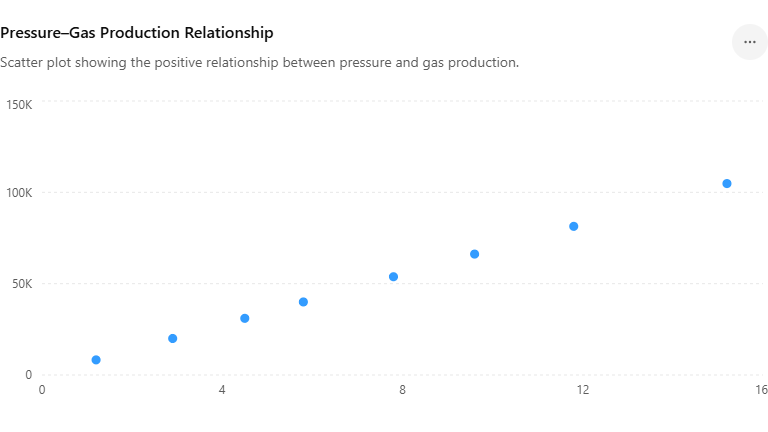
Figure 4: Scatter plot between pressure and gas production
The scatter plot demonstrates a clear linear trend, indicating that increasing gas accumulation directly contributes to increased digester pressure.
Regression Analysis
Linear regression analysis was conducted to determine the predictive relationship between pressure and gas production.
Regression Model was Gas Production = 261.60 + 6918.52(Pressure)
The regression model indicates that for every 1 psi increase in pressure, gas production increases by approximately 6,919 units. The coefficient of determination (R² = 0.990) shows that approximately 99% of the variation in gas production can be explained by pressure alone. These results suggest that pressure is a highly reliable indicator of biogas yield during anaerobic digestion.
Analysis of Variance (ANOVA)
A one-way ANOVA was performed to determine whether significant differences existed among the experimental groups. Since the p-value (0.351) exceeds the significance level of 0.05, there was no statistically significant difference among the treatment groups. Although ANOVA revealed no statistically significant differences among the experimental groups, the overall trend suggests improved performance in treatments that generated higher pressures. This finding may indicate that all treatment combinations provided suitable nutrient balance and environmental conditions for microbial activity.
The strong positive correlation between pressure and gas production (r = 0.995) indicates that pressure can be used as a practical operational parameter for monitoring digester performance. Furthermore, the regression model revealed that pressure explained approximately 99% of the observed variability in gas yield, highlighting its predictive value.
Pressure Variation during Anaerobic Digestion
The pressure variation is presented in Figure 5 and Table 4. It was observed that pressure increased from 3.6 psi on 24 March to a peak of 11.7 psi on 23 April before declining slightly to 10.4 psi on 7 May. The temporary decrease observed on 31 March may be attributed to fluctuations in microbial activity during the adaptation phase of digestion. Overall, the upward trend indicates successful establishment of anaerobic conditions and increasing biogas accumulation.
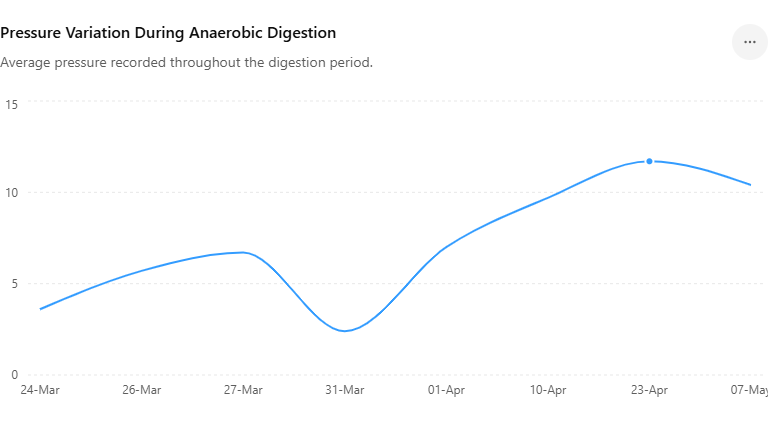
Figure 5: Pressure Variation during Anaerobic Digestion
Table 4: Average pressure recorded throughout the digestion period.
|
Date |
Pressure (psi) |
|
24-Mar |
3.6 |
|
26-Mar |
5.7 |
|
27-Mar |
6.7 |
|
31-Mar |
2.4 |
|
01-Apr |
7 |
|
10-Apr |
9.7 |
|
23-Apr |
11.7 |
|
07-May |
10.4 |
Biogas Production during Anaerobic Digestion
The biogas production during anaerobic digestion is presented in Figure 6 and Table 5. Biogas production generally increased throughout the digestion period, reaching a maximum value of 80,330 units on 23 April. The reduction observed on 31 March corresponds with the lower pressure recorded during the same period, suggesting a temporary reduction in microbial activity. The overall increase confirms effective degradation of cattle rumen content and water hyacinth by anaerobic microorganisms.
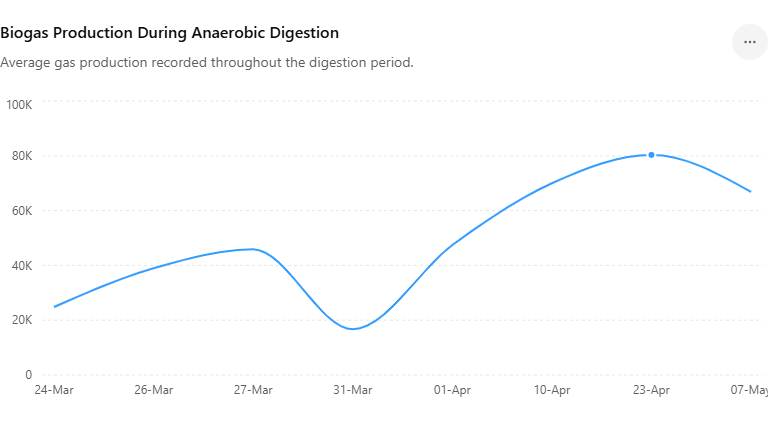
Figure 6: Biogas production during anaerobic digestion
Table 5: Average gas production recorded throughout the digestion period.
|
Date |
Gas |
|
24-Mar |
24,821 |
|
26-Mar |
38,955 |
|
27-Mar |
45,850 |
|
31-Mar |
16,720 |
|
01-Apr |
47,431 |
|
10-Apr |
69,982 |
|
23-Apr |
80,330 |
|
07-May |
66,878 |
Pressure–Gas Production Relationship
The pressure-Gas relationship is presented in Table 6. The scatter plot demonstrates a strong positive linear relationship between pressure and gas production. As pressure increased from 1.2 psi to 15.2 psi, gas production increased from 8,274 to 104,800 units. This relationship supports the correlation analysis (r ≈ 0.995), indicating that pressure is a reliable predictor of biogas yield during anaerobic co-digestion.
Table 6: Scatter plot showing the positive relationship between pressure and gas production.
|
Pressure (psi) |
Gas units |
|
1.2 |
8,274 |
|
2.9 |
19,995 |
|
4.5 |
31,026 |
|
5.8 |
39,990 |
|
7.8 |
53,797 |
|
9.6 |
66,190 |
|
11.8 |
81,381 |
|
15.2 |
104,800 |
CONCLUSION
The co-digestion of cattle rumen content and water hyacinth proved effective for biogas generation. Pressure and gas production increased significantly with digestion time, demonstrating efficient substrate utilization and microbial activity. Correlation and regression analyses confirmed a strong positive relationship between pressure and gas yield, while ANOVA indicated no significant differences among treatment groups. These findings support the potential use of cattle rumen content and water hyacinth as sustainable feedstocks for renewable energy production through anaerobic digestion. The findings demonstrate that anaerobic co-digestion of cattle rumen content and water hyacinth effectively enhanced biogas production. The steady increase in pressure and gas yield throughout the digestion period confirms successful microbial degradation of organic matter and establishment of stable methanogenic conditions.
REFERENCES
Alengebawy, A., Ran, Y., Osman, A. I., Jin, K., & Samer, M. (2024). Anaerobic digestion of agricultural waste for biogas production and sustainable bioenergy recovery: A review. Environmental Chemistry Letters, 22, 2641–2668.
Ali, S.S., Elsamahy, T., Abdelfattah, A., Mustafa, A., Khalil, M.A., Mastropetros, S.G., Kornaros, M., Sun J. & Azab M. (2022). Exploring the potential of anaerobic co-digestion of water hyacinth and cattle dung for enhanced biomethanation and techno-economic feasibility. Fuel, 329(1):125397, https://doi.org/10.1016/j.fuel.2022.125397
Dölle, Klaus, and Thomas Hughes. 2020. “Biogas Production from Anaerobic Co-Digestion of Water Hyacinth (Eichhornia Crassipes) and Cow Manure”. Journal of Energy Research and Reviews 5 (3):49-60. https://doi.org/10.9734/jenrr/2020/v5i330149.
Hagos, G.K., Golie, W.M., Atsbha, G.K. et al. Optimization of biogas production through anaerobic co-digestion of blackwater and food waste. Discov Energy 6, 27 (2026). https://doi.org/10.1007/s43937-026-00137-4
Honlah, E., Yao Segbefia, A., Appiah, D.O., Mensah, M. & Atakora, P.O. (2012). Effects of water hyacinth invasion on the health of the communities, and the education of children along River Tano and Abby-Tano Lagoon in Ghana. Cogent Social Sciences, 5(1): 1-18. https://doi.org/10.1080/23311886.2019.1619652
Ingabire, H., M'arimi, M. M., Kiriamiti, K. H., & Ntambara, B. (2023). Optimization of biogas production from anaerobic co-digestion of fish waste and water hyacinth. Biotechnology for Biofuels and Bioproducts, 16, 110.
Ilo, O. P., Nkomo, S. L., Mkhize, N. M., Mutanga, O., & Simatele, M. D. (2024). The effects of pretreatment on biogas production from anaerobic digestion of water hyacinth. Waste Management and Research.
Ilo, O. P., Simatele, M. D., Nkomo, S. L., Mkhize, N. M., & Prabhu, N. G. (2021). Methodological Approaches to Optimising Anaerobic Digestion of Water Hyacinth for Energy Efficiency in South Africa. Sustainability, 13(12), 6746. https://doi.org/10.3390/su13126746
Omondi, E. A., Ndiba, P. K., Chepkoech, G. K., & Kegode, A. A. (2023). Modeling anaerobic co-digestion of water hyacinth with ruminal slaughterhouse waste for first order, modified gompertz and logistic kinetic models. International Journal of Renewable Energy Development, 12(3), 627-634. https://doi.org/10.14710/ijred.2023.52775
Momodu, A.S., Adepoju, T.D. (2021). System dynamics kinetic model for predicting biogas production in anaerobic condition: Preliminary assessment. Science Progress. 104(4), 1-25. https://doi.org/10.1177/00368504211042479
Rani, S., et al. (2022). Exploring the potential of anaerobic co-digestion of water hyacinth and cattle dung for enhanced biomethanation and techno-economic feasibility. Fuel, 329, 125397.
Singh, B.; Szamosi, Z.; Simenfalvi, Z. (2020). Impact of mixing intensity and duration on biogas production in an anaerobic digester: A review. Crit Rev Biotechnol. 40, 508–521
Tobo, Y.M., Bartacek, J., Nopens, I. (2020). Linking CFD and Kinetic Models in Anaerobic Digestion Using a Compartmental Model Approach. Processes, 8, 703. https://doi.org/10.3390/pr8060703
|
Cite this Article: Akingba, OO; Soyoye, BO; Agbetoye, LAS (2026). Optimization of Biogas Production from Anaerobic Co-Digestion of Cattle Rumen Content and Water Hyacinth. Greener Journal of Environmental Management and Public Safety, 14(1): 41-50, https://doi.org/10.15580/gjemps.2026.1.073026128. |