Greener Trends in Food Science and Nutrition
ISSN: 2672-4499
Vol. 6(1), pp. 18-28, 2026
Copyright ©2026, the copyright of this article is retained by the author(s)

|
Greener Trends in Food Science and Nutrition ISSN: 2672-4499 Vol. 6(1), pp. 18-28, 2026 Copyright ©2026, the copyright of this article is retained by the author(s) |
|
Influence of Traditional Processing Methods on the Nutritional Composition of Cassava Food Products
Tunmise T. Oladipe1*, Ademuyiwa J. Adegbegi2, Abayomi A. Taiwo3, David A. Ibiyemi4, Ajayi Ajetomobi5, Funmilayo O. Makinwa6, Chukwudi P. Ossai7 and Opeyemi M. Yakubu1
1Biochemistry Department, Confluence University of Science and Technology Osara, Kogi State, Nigeria,
2Biochemistry Department, Rufus Giwa Polytechnic Owo, Ondo State, Nigeria
3Department of Physiology, College of Health Sciences, Prince Abubakar Audu University Anyigba, Kogi State, Nigeria
4Department of Biochemistry, College of Medicine, Achievers University Owo, Ondo State, Nigeria
5Pediatrics Department, Federal University Teaching Hospital, Lokoja, Kogi State, Nigeria
6Department of Home Economics, Rufus Giwa Polytechnic Owo, Ondo State Nigeria
7Department of Chemistry, Federal University Lokoja, Kogi State, Nigeria,
|
ARTICLE’S INFO |
|||
|
Article No.: 020526023 Type: Research Full Text: PDF, PHP, HTML, EPUB, MP3 DOI: 10.15580/gtfsn.2026.1.020526023
Accepted: 10/02/2026 Published: 13/02/2026
Keywords: Cassava food products, Nutritional content, Mineral content, food processing
|
*Corresponding Author
Tunmise Tope Oladipe
E-mail: topeoladipe@gmail.com |
Article’s QR code
|
|
|
|
|
|
|
|
ABSTRACT |
|
|
|
Processing of Cassava roots (Manihot esculenta Crantz) has many objectives, which include: removal of its anti-nutrient content, prevention of post-harvest rapid deterioration, and production of a new set of food products. The aim of this study is to investigate the effect of food processing on the nutritional content of different cassava food products. The cassava roots were processed into four different food products, namely: Pupuru (steeped, sun-dried, and toasted), Fufu (steeped, sieved and fermented), Lafun (steeped, sun-dried, and dry-milled), and Garri (steeped, fermented, and fried). The proximate and mineral contents of the products, were analyzed. The results showed that there are significant differences in the proximate composition of the cassava products, with Gaari having the lowest moisture (5.61±0.0.40%) content and the highest protein (5.14±0.28%), total ash (2.88±0.28%), and Energy (355.12 kcal/100g) values (p<0.05). The fufu sample had the highest moisture (9.93±0.19%) and total fat (0.71±0.15%) content, while its crude fibre (2.38±0.25%) and ash (1.18±0.12%) content were significantly the lowest. The lafu sample has the highest crude fibre content (5.83±0.05%) as well as the highest concentration of all the micro minerals (Zn, Fe, Cu, Mn), while the pupuru sample has the highest carbohydrate (82.83±0.05%) and the lowest protein (2.72±0.18%) content. Our findings validated the claims that Cassava food products are potential sources of vital nutrients. However, comparing the nutritional content of the studied cassava products, gaari has the best health-promoting properties; hence, cassava processing should be optimized to improve its nutritional content, prevent nutrient loss, and promote product diversification. |
|
|
|
Cassava (Manihot esculenta Crantz) is one of the major staple tubers cultivated in Nigeria and other countries of the world, because of its nutritional and economic value (Freital et al., 2015). Cassava ranked fourth among major food crops after rice, maize, and wheat (Uthpala et al., 2021). Cassava can grow in both tropical and subtropical areas of the world (Onyewoke and Simonyan, 2014) and in every climate or under harsh climate conditions throughout the year (Burrell, 2003) because of its ability to thrive in any soil (either acidic or poor soil) under low rainfall. Cassava is cultivated mainly because the roots are a rich source of carbohydrates; the cassava root produces about 40% higher carbohydrate than rice and 25% more carbohydrates than maize (Tonukari, 2004). However, cassava roots are much more perishable than other tuber crops (Haggblade et al., 2012) because unlike the roots of other tubers such as yam or sweet potatoes which serves as a reproductive organ, cassava roots are the energy reservoir for the upper part of the plant, hence continuous metabolism in the roots even after harvest, promotes its rapid deterioration (Onyewoke and Simonyan, 2014). Deterioration of freshly harvested cassava roots also occur due to their high moisture content (cassava roots is made up of about 60% water) (Uthpala et al., 2021, Burell, 2003). Therefore, there is always the urgent need to process cassava roots into other value-added products as soon as they are harvested, so as to extend the shelf life of the crop. In addition to avoiding post-harvest deterioration, processing of the cassava root helps to reduce the cyanide levels of the tuber. (Onyenwoke and Simonyan, 2014; Otekunrin and Sawieka, 2019; Ekop et al., 2019). Cassava plant contains high amount of the anti-nutrients cyanide, which is toxic and basically affect the digestibility and uptake of other nutrients. Cyanide is the major anti-nutrient, restricting the consumption of cassava. The cyanogenic glycosides (linamarin and lotaustralin), which is found in varying concentrations in different parts (leaves, stem, and roots) of the cassava plant (Falade and Akingbala, 2008; Montagnac et al., 2009), releases hydrogen cyanide when hydrolyzed. The roots contain a lesser amount of cyanide when compared with the leaves and stem (Bolarinwa et al., 2016). Other anti-nutrients include Tannins which are found in the tubers, while nitrate and nitrites are found in higher concentrations in cassava leaves. Hence, the traditional methods used in cassava processing are designed putting the following into considerations; root yield, degeneration, content of cyanide, nutritional content, and processing (Falade and Akingbala, 2010).
Cassava roots are processed with the purposes of producing varieties of products with extended shelf life. Examples of the products include; food products (snacks, flour, starch, Cassava flour, starch and chips, Gaari, Semolina (Ubalua, 2007) and non-food products (paper, textiles, plywood, glue, biofuels (Ubalua, 2007; Falade and Akingbala, 2010; Onyewoke and Simonyan, 2014; Ekop et al., 2019). Cassava starch is used as raw materials for food industries, it is also used for the production of paper, veneer adhesives, glucose and dextrin syrups (Onyewoke and Simonyan, 2014; Li, et al.,2017). Fermented cassava is used for the production of alcohol and biogas (Lawrence et al., 2006). Cassava peels are used as a source of energy and forage in animal feeds (Li, et al., 2017), thus providing a rich source of nutrients to both humans and animals. Processing of cassava, in addition to providing flavor, also increases its nutritional value (Uthpala et al., 2021). Processing also aids the detoxification of the cassava roots by removing the anti-nutrient cyanide glyocosides (linamarin and lotaustralin) (Falade and Akingbala, 2010; Zhu and Xie; 2018). Cassava processing prevents post-harvest wastage of the cassava roots (Morante et al., 2010), reduces its anti-nutrient and increases its digestibility (Falade and Akingbala, 2008; Montagnac et al., 2009). Cassava processing is a means of fortification; it reduces food loss and stabilizes seasonal fluctuation (Hahn, 1997).
Diverse food products are produced from cassava roots, using different traditional methods of processing, the choice of method employed is determined by the expected end product. Traditional method does not require sophisticated equipment, however is involves the combination of several procedures which include; peeling, grating, steeping, granulating, pounding, dewatering (with fermentation or without fermentation), milling (wet or dry), drying (sun-drying, toasting, roasting, frying) and sieving (Hahn 1997; Onyewoke and Simonyan, 2014; Waisundera, 2018). The first step in cassava processing is the peeling of the outer skin of the cassava tubers; this involves the removal of the cassava skin with knifes or cutlasses, after which the peeled tuber is steeped or grated. Steeping involves immersing the peeled cassava roots in a large volume of water for 3-4 days, until it is soft with the aim of fermentation (anaerobic fermentation). After 4 days of steeping, the soft cassava is grated or milled. Grating involves the use of a grater, to crush the cassava fibre into a coarse pulp, while milling (wet milling or dry milling) involves the use of a mechanical grinder to crush the cassava sample into a smoother pulp or fine powder. Dewatering involves placing the milled or grated wet pulp in sacks under heavy stones for dewatering. Dewatering (pressing) is usually done by placing a heavy-weight or hydraulic press on the sacks of cassava for several days in order to remove excess water from the pulp while it is fermenting. Drying is a process that involves the rapid removal or gradual reduction of the water content of the cassava sample in order to prevent spoilage. Drying can be done through sun-drying, roasting, toasting, frying etc. Sun-drying of cassava dried pulps or wet powder is carried out on mats, flat rocks, racks, house roofs, cement floors, etc. Drying involves exposing the cassava to low continuous heat to remove moisture from the sample it usually takes 3-4 days, depending on the weather (Hahn 1997). Roasting or frying of the sieved pulp is done in a pot over fire, they are constantly stirred and constantly in contact with heat (> 100 °C), and smoked until they are dried. Toasting involves placing the cassava balls (fermented wet pulp, which is molded into a round ball) on a platform above a fireplace under low heat (< 50 °C), for several days until the pulp is completely dried (Hahn 1997). Sieving (wet or dry) involves the use of split cane woven together or through iron mesh or polyethylene mesh for the sifting out of lumps or fibrous materials, to obtain a fine wet pulp or dry powder. Conversely mechanization of cassava processing has removed the undesirable aspects of traditional methods of cassava production and promotes the timely large-scale processing under hygienic conditions (Oriola, 2013)
Cassava is cultivated for various reasons across different parts of the world; however, the majority of cassava produced is used as a source of food for millions of rural and urban dwellers (Onyewoke and Simonyan, 2014). cassava roots are therefore processed into a variety of food products for the purposes of food diversification, fortification, and preservation. Therefore, this study was aimed to determine the proximate and mineral contents of different cassava root products that are consumed in Nigeria.
MATERIALS AND METHODS
Sample Collection
Freshly harvested cassava (Manihot esculenta Crantz) tubers were harvested from a local farm in Osara town, along the Okene-Lokoja road, Kogi State, Nigeria, in April 2025.
Sample preparation
The cassava (Manihot esculenta Crantz) food samples were prepared as described by Hahn (1997), with slight modifications. The harvested cassava root samples were divided into four portions for the preparation of four different cassava products (Pupuru (sample A), Fufu (sample B), Lafu (sample C), and Gaari (sample D) as follows;
Preparation of Pupuru (Sample A): The peeled cassava roots were washed in large volume of water. The roots were sliced into smaller sizes and soaked in water at room temperature for 72 h. After 72 h, the slurry water was drained. After which, the samples were placed in a muslin sack for dewatering immediately. Once sufficient amount of water had been drained, the sample was granulated and sun-dried to eliminate any remaining water content. After sun-drying, the sample was toasted under low heat (>55°C for 8h or more). After the toasting, the sample was sieved to a fine powder.
Preparation of Fufu (Sample B): wet pulp
The peeled Cassava roots were washed with clean water. After which, the clean roots were sliced into smaller sizes, thereafter the cassava were soaked in water for 72 h. After the steeping process, the cassava was thoroughly washed and drained to reduce any unpleasant odor. The sample was granulated and sieved with excess water in order obtain a smooth texture. The sieved cassava pulp was then transferred into a permeable sack; a heavy compress was put in place for 72 h to allow excess water to drain out (dewatering). After the 72 h of dewatering, the samples were packed into a sack as a wet pulp for use. Note for the purpose of proximate analysis only the final wet pulp was dried at room temperature.
Preparation of Lafu (Sample C) dry pulp
The freshly peeled cassava roots were washed in water and sliced to smaller sizes. The sample was then steeped for 72 hours, washed, and drained to remove the slurry water. The sample was then granulated (crushing to remove the central fibre of the fermented roots) and dewatered immediately using a permeable sack and a hydraulic press to exerts pressure. The drained sample was immediately sundried for 3 days, after which it was milled (dry milling) and sieved into fine powder.
Preparation of Garri (Sample D)
For the processing of Gaari, the peeled cassava roots were washed and sliced into smaller sizes, followed by steeping in water for 72 h. After 72 h of steeping, the slurry water was drained, and the sample was milled (wet milling) into a smooth pulp. The wet pulp was transferred into a muslin sack with a heavy compress for dewatering for 48 hours, to remove more water. The sample was then sieved and fried (dry frying) at over 100 °C to dryness, after which it was sieved into a fine powder.
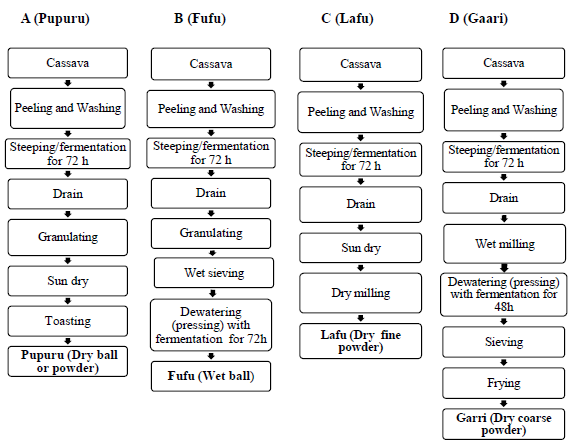
Figure 1: Flow chart for the processing of four different Cassava products: Pupuru (sample A), Fufu (sample B), Lafun (sample C) and Gaari (sample D) (as described by Hahn 1997, with slight modifications)
Proximate Analysis of the Cassava Samples
The four cassava samples (food products) were analyzed for their energy content, moisture, ash, fiber, fat, protein, and carbohydrate contents. The proximate analysis was carried out in duplicate as described by Onwuka, (2005).
Analysis of mineral content
The mineral (Macro and Micro) content of the cassava food samples was determined using atomic absorption spectrophotometer (AAS) 210 VGP Buck model as described by AOAC 2005.
Statistical Analysis:
The Statistical Package for Social Sciences (SPSS version 27, Chicago, IL, USA) was used to analyse the data, which were represented as the mean ± SEM of duplicate assays. Analysis of variance (ANOVA) was per formed on the data sets obtained followed by Tukey’s post hoc multiple comparisons. Significant values were defined as those at p< 0.05
RESULTS AND DISCUSSION
The proximate composition of the cassava samples is presented in Figures 2 to 8. There are significant differences in the moisture content of the samples across the groups p <0.05, with Fufu having the highest %moisture content and Gaari having the least moisture content. This could be credited to the fact that processing of cassava into Fufu does not require heat compared with other cassava products. Heating reduces the quantity of moisture in food samples through evaporation. Application of high temperature during food processing also prevents food spoilage. Hence, the lower % moisture value in the Gaari sample could be due to the additional heat (sun-drying and frying) that was applied during its processing. The quantity of moisture in a food sample or material is an important factor that determines its storage quality and extended shelf life (Uthpala et al., 2020). Additionally, the extended period of fermentation (through steeping) as well as sieving could have increased the % moisture in the Fufu sample, previous studies have shown that prolong steeping and sieving increased the percentage moisture content of food samples due to the reduction in the fibre content of the food sample (Makinwa et al., 2019). Food fibres bind the food matrix thereby reducing the accessibility and uptake of water and thus reducing the moisture content while sieving reduces the fibre contents of food samples. As shown in the cassava processing chart, the Fufu sample was subjected to wet sieving compared with the other samples, which could have resulted in loss and reduction in the amount of fibre present in the sample, thereby increasing the uptake and retention of water. Generally, our results showed that higher percentage of crude fibre correlates with lower percentage of moisture content measured in the cassava food products (Figure 2 and 7).
As shown in Figure 6, the percentage fat content of the cassava food samples is in the order: Fufu>Lafu>Pupuru>Gaari. The lower percentage of fat content of the Pupuru and Gaari samples could be due to loss of volatile oils through heat (frying and direct sunlight) during the course of production. In addition, the low-fat, high-fibre content of the cassava products (the percentage of crude fibre of the cassava product is in the order Lafu>Gaari>Pupuru>Fufu), correlates with other studies which reported low-fat and high fiber contents in cassava peel meal (Sogunle et al. 2009; Amaza 2021). Figure 3 presents the percentage carbohydrate content of the cassava food products. The result revealed that % carbohydrate content is significantly decreased in the Gaari sample compared with the other three cassava products (Fufu, Lafu and Pupuru) p<0.05. Conversely, pupuru contained the highest percentage of carbohydrate. The lower percentage of carbohydrate found in the Gaari sample could be due to loss of nutrients and dry matter through heat, sieving, and fermentation (during the 72h steeping and 48h dewatering). Maximum breakdown of starch takes place between 48 and 72 h when amylase activity is at its peak (Nirmala et al., 2000; Tian et al., 2010), thereby reducing the amount of carbohydrate in the food sample. This finding is supported by earlier studies, which revealed that fermentation activates endogenous enzymes such as α-amylase, which facilitates the enzymatic hydrolysis of carbohydrates into simple sugars, thereby reducing the carbohydrate content of food samples, improves its digestibility, and releasing energy (Zhang et al.,2015; Oghbaei and Prakash,2016).
The amount of crude protein in the cassava food products analyzed are presented in Figure 5. The Gaari sample has a significantly higher amount of crude protein compared with the other three cassava products (Fufu, Lafu and Pupuru) p<0.05. The results also show an inverse relationship between the percentage crude protein in the samples and its corresponding carbohydrate content; a high %protein value corresponds to low % carbohydrate value for all the samples. As shown in Figures 3 and 5; Pupuru has the highest %carbohydrate value (82.83±0.05) and the least %protein content (2.72±0.18) compared with other samples, while Gaari has the highest %protein value (5.14±0.28) and the least %carbohydrate content (75.86±1.22). The higher quantity of crude protein found in the Gaari sample could be as a result of loss of dry matter, principally carbohydrates to fermentation, due the action of enzymes produced by the fermenting microorganisms (Ali et al., 2003; Hassan et al., 2006). Processing of the Gaari sample involves prolonged steeping and dewatering (with fermentation), which could have increased the loss of carbohydrate through fermentation, as a result, increased the protein content due to prolonged fermentation. A previous study reported that fermented products are rich sources of protein (Makinwa et al., 2019). This agrees with the findings of Fasasi (2009), who reported a significant increase in the protein content of pearl millet as a result of fermentation. This also pinpoints that fermentation improves the bioavailability of crude protein.
Figure 4 shows the percentage of total ash in the Cassava samples. The results showed that the quantity of ash in the cassava products varied from 1.98% to 2.88%, revealing low amount of mineral in the samples when compared with the higher percentage Ash values found in other crops residue such as kola nut pod (7.67%), cocoa pods (12.67%), and ripe plantain peel (11.73%) reported by Adeyi (2010). The results also revealed that a higher percentage of total ash content of the Cassava samples correlates with higher micro mineral contents for all the samples, with the Lafu sample having the highest %total ash value with a corresponding highest value of all the micro minerals, while the Fufu sample had the least %Ash with corresponding lowest concentrations of the micro minerals. The higher percentage ash content in the Lafu sample may be due to the higher mineral content of the sample. Ash content of food samples correlates with its mineral content (Ayoola et al., 2012). Table 1 presents the concentration of macro mineral present in the cassava food samples. Although the concentration of macro minerals present in the cassava products were statistically different p<0.05, the results showed that the samples contained substantial amounts of calcium, phosphorus, potassium, magnesium, and sodium. The Gaari and Lafun samples contained the highest amount of sodium and potassium respectively, while Fufu and Pupuru had the highest concentrations of Magnesium and Calcium respectively. In addition, Pupuru has the highest concentration of P, and the least value was found in the Gaari sample.
As revealed in this study, the differences in the nutritional and mineral composition of the cassava root samples could be due to variation in the processing of the cassava products. Generally, cassava processing involves several combined steps and procedures such as peeling, grating, milling, steeping, fermentation, dewatering, sieving, drying, toasting, roasting, and frying. These processes can be achieved manually or by the use of machines (Hahn, 1997). However, the major processing activities which resulted in the creation of cassava food products that are distinctively different in texture, nutritional content, taste, and shelf life are processes which involve steeping/fermentation, sieving and Drying (application of Heat).
Fermentation of cassava results in the production of new sets of products, as shown in this study, the variations in textures, shelf live and nutritional value of the different cassava flour products (Fufu, Gaari, pupuru, lafu) are as a result of the fermentation process. Fermentation, either through natural methods eg. steeping or with selected microbial inocula, has been used to enhance the nutritional value of cassava (Uthpala et al, 2021). Fermentation of the cassava roots occurs during steeping (for 3-4days) under water (Anaerobic fermentation). The breakdown of the cassava roots tissue in the presence of excess moisture during fermentation in water allows the rapid hydrolysis of glucosides, which effectively reduces both free and residual cyanide in the products (Hahn, 1997). Fermentation in the air (Areobic fermentation) is not as effective as fermentation under water. Steeping the cassava roots for three days reduces cyanide by 70-85% (Hahn, 1997). Fermentation also increases the nutritional value of the cassava roots because of the mold growth, which increases the amount of protein in the final product by three to eight times (Hahn, 1997). In this study, the higher amount of crude protein found in the Gaari sample could be as a result of prolonged fermentation.
Milling (dry milling or wet milling) of the cassava sample usually precedes sieving. Sun-dried samples are milled using a mechanical grinder, followed by sieving into smaller fine powder, while wet milling involves crushing of steeped cassava roots into paste using a mechanical grinder, and the sample is then sieved into a fine pulp. Milling increases the surface area and breaks up cellular structure, while sieving of food samples usually results in the loss of the outer component of the samples, resulting in a reduction of the percentage crude fibre of the sample (Makinwa 2019). Loss of fibre component of the cassava samples as a result of sieving could also result in the loss of some of the essential minerals; thus, sieving increased the palatability of the food sample, but its nutritional value is decreased (Kent and Evers, 1994). This is in accordance with our results, which showed that the lafu sample has the highest percentage crude fibre (5.83%) with a corresponding highest concentration of all the micronutrients, while the fufu sample had the lowest percentage crude fibre (2.38%) with a corresponding lowest concentration of all the micronutrients. The huge disparity in the %fibre content of the two cassava samples is an indication of the variations in the process of production. The processing of Fufu involves extensive fermentation and wet-sieving compared with the Lafu sample. The decrease in mineral content of the Fufu sample might be due to the loss of dry matter during milling and wet-sieving. Additionally, during fermentation some microorganisms have the capacity to digest fibers which loosen the food matrix further (Liang et al., 2008). Therefore, the effect of fermentation as well as loss of fibre component as a result of sieving could result in the reduction of the concentration of essential minerals in the Fufu sample.
Drying is a major stage during cassava processing, the purpose of drying is to prevent the rapid deterioration of the cassava roots (by removing about 65% of the moisture content), reduce the level of cyanide in the sample, and increase the shelf life of the products. Drying of the cassava samples is done either by applying low heat < 50 °C (through sun drying of the peeled roots) or high temperature > 50 °C (toasting, roasting, or frying) (Kolawole et al., 2007; Kolawole et al., 2010). Traditional methods involve drying with low heat under direct sunlight (Uthpala et al, 2021), other artificial dryers are used in large-scale production (Aristizabal et al., 2017). Processing of some cassava varieties, such as Gaari and Pupuru, requires the application of high heat (50 °C-above 100 °C), such as roasting, toasting, and frying. On the other hand, other products, (eg. Fufu or Lafu) require no heat or only sun drying at temperatures below 50 °C. In addition to reducing moisture content and increasing the shelf life of some cassava products (Gaari and Pupuru), heating also affects the nutritional value of cassava food products. Our findings showed that heating significantly reduced the fat contents of Pupuru and Gaari (both were subjected to toasting and frying, respectively) compared with Fufu and Lafu (which were subjected to no heat and sun drying).
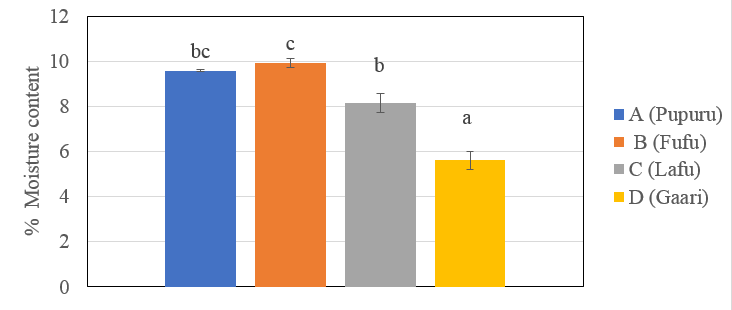
Figure 2: Percentage moisture content of cassava samples.
Data are means ± SE. of duplicate determinations, different subscripts on the Bar indicate a statistical difference at p< 0.05. A= Pupuru, B= Fufu, C= Lafu and D= Gaari.
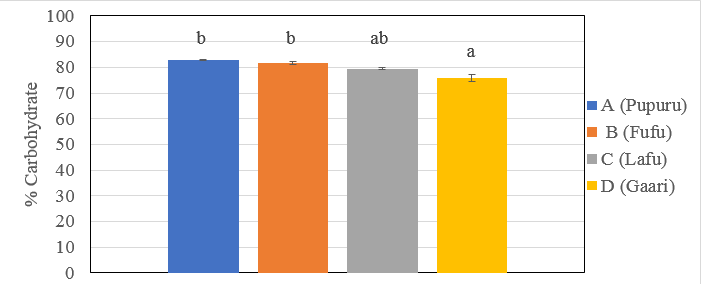
Figure 3: Percentage Carbohydrate content of cassava samples.
Data are means ± SE. of duplicate determinations, different subscripts on the Bar indicate a statistical difference at p< 0.05. A= Pupuru, B= Fufu, C= Lafu and D= Gaari.
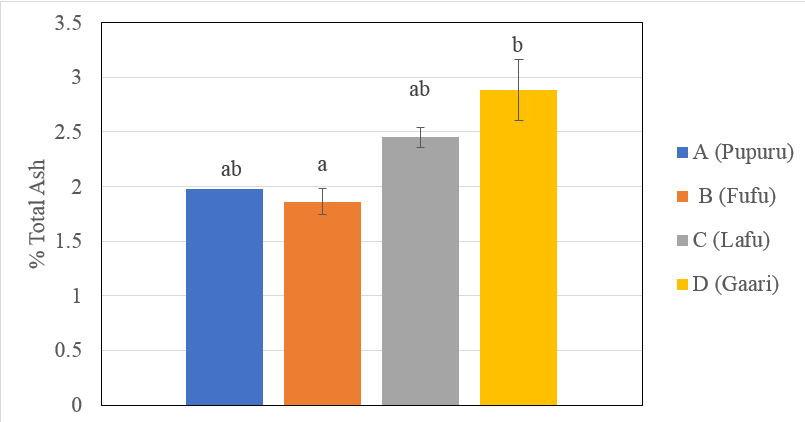
Figure 4: Percentage Total Ash content of cassava samples.
Data are means ± SE. of duplicate determinations, different subscripts on the Bar indicate a statistical difference at p< 0.05. A= Pupuru, B= Fufu, C= Lafu and D= Gaari.
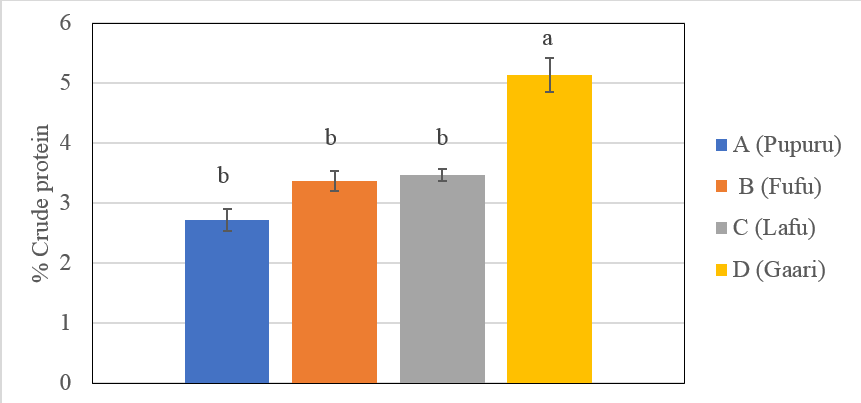
Figure 5: Percentage Crude protein content of cassava samples.
Data are means ± SE. of duplicate determinations, different subscripts on the Bar indicate a statistical difference at p< 0.05. A= Pupuru, B= Fufu, C= Lafu and D= Gaari.
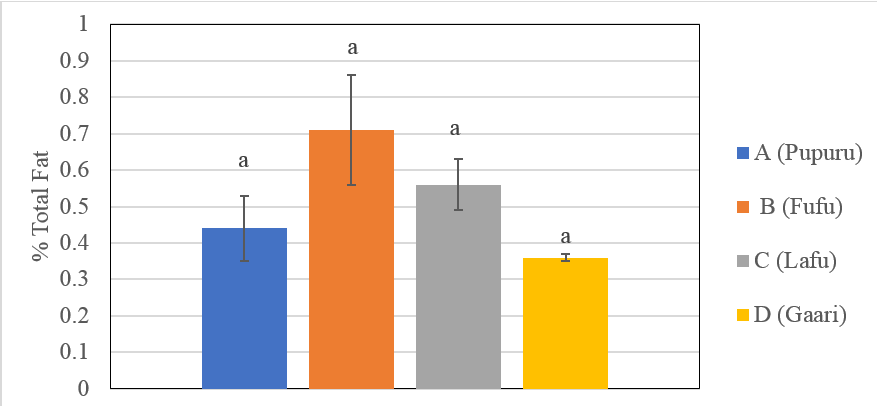
Figure 6: Percentage Total Fat content of cassava samples.
Data are means ± SE. of duplicate determinations, different subscripts on the Bar indicate a statistical difference at p< 0.05. A= Pupuru, B= Fufu, C= Lafu and D= Gaari.
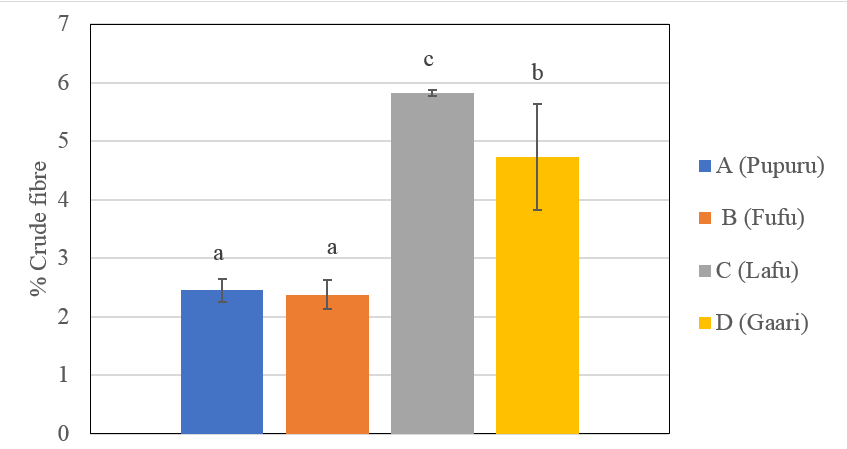
Figure 7: Percentage Crude fibre content of cassava samples.
Data are means ± SE. of duplicate determinations, different subscripts on the Bar indicate a statistical difference at p< 0.05. A= Pupuru, B= Fufu, C= Lafu and D= Gaari.
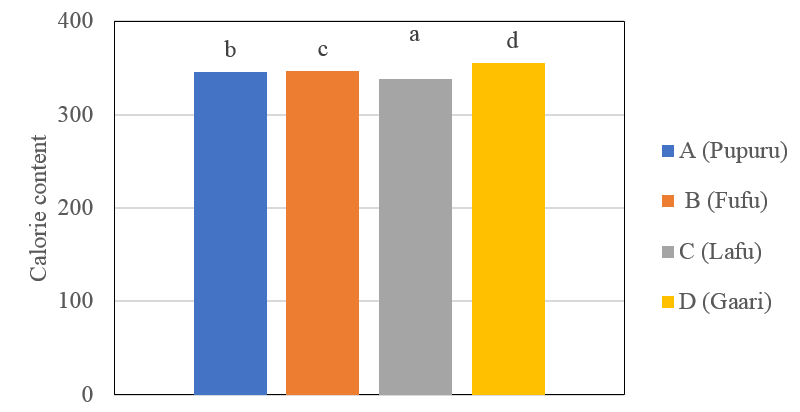
Figure 8: Calorie content of cassava samples.
Data are means ± SE. of duplicate determinations, different subscripts on the Bar indicate a statistical difference at p< 0.05. A= Pupuru, B= Fufu, C= Lafu and D= Gaari.
Table 1: Macro mineral content of the Cassava samples
|
Samples |
Sodium mg/100g |
Potassium mg/100g |
Magnesium mg/100g |
Calcium mg/100g |
Phosphorus mg/100g |
|
A(Pupuru) |
3.33±0.01a |
198.62±0.01a |
138.39±0.02a |
166.52±0.03a |
120.52±0.06 a |
|
B(Fufu) |
3.65±0.02b |
187.33±0.03b |
165.39±3.01b |
148.12±0.18b |
112.20±0.04b |
|
C(Lafu) |
4.82±0.02c |
265.75±0.01c |
156.29±0.01c |
122.49±0.04c |
88.44±0.19c |
|
D(Gaari) |
5.24±0.02d |
122.44±0.0 d |
144.38±0.02d |
156.92±0.12d |
65.37±0.58d |
Data are means ± SE. of duplicate determinations, different subscripts on the column indicate a statistical difference at at p< 0.05. A= Pupuru, B= Fufu, C= Lafu and D= Gaari
Table 2: Micro mineral content of the Cassava samples
|
Samples |
Zinc ppm |
Iron ppm |
Cupper ppm |
Manganese ppm |
|
A(Pupuru) |
4.40 |
31.20 |
2.20 |
2.20 |
|
B(Fufu) |
2.80 |
1.40 |
0.60 |
1.01 |
|
C(Lafu) |
7.60 |
45.60 |
2.60 |
4.20 |
|
D(Gaari) |
5.20 |
42.40 |
2.20 |
3.80 |
A= Pupuru, B= Fufu, C= Lafu and D= Gaari
CONCLUSION
From the comparative study of the different cassava food samples, we found that all the cassava samples contained essential minerals and essential nutrients such as, fats, protein, carbohydrates, and fiber, in significantly varying amounts. Our finding shows that the Gaari sample had the highest amount of protein, Energy value and percentage Ash. However, it has the lowest moisture content and the lowest amount of fat when compared with other cassava products. Thus, Gaari is the best form of cassava food product because its nutritional compositions with a low tendency of rapid spoilage. The Fufu sample has the highest fat and percentage moisture value, which indicates a high possibility of quick spoilage. In addition, the fufu sample has the least percentage ash and the least amount of crude fibre compared with the other cassava food samples. The lafu sample has the highest concentration of all the micronutrients; it also has the highest amount of crude fibre. Although the pupuru sample contained the lowest amount of protein, it however contained the highest amount of carbohydrates, Calcium and phosphorus. Comparing the variations in the nutritional composition of the studied cassava food samples, gaari has the best nutritional prospect of improving and maintaining the good health in humans. We therefore recommend that more research should be carried out on how to optimize the traditional methods of cassava processing so as to avoid post-harvest wastage of the crop. The production of new products, with extended shelf life and improved nutritional value, should be encouraged.
REFERENCES
Adedeji, T.O. (2020). Quality Evaluation of Sorghum bicolor Stem Sheath Enriched with Spondias mombin Extract. Archive of Food and Nutritional Science, 4(1):012–019
Adeyi, O. (2010). Proximate composition of some agricultural wastes in Nigeria and potential use in activated carbon production. Journal of Applied Sciences and Environmental Management, 14 (1): 55 –58
Ali, A. M., El-Tinay, H. A. and Abdalla, H. A. (2003). Effect of fermentation on the in vitro digestibility of pear millet. Food Chem. 80: 51–54
Amaza I. B. (2021) Determination of proximate composition, amino acids, minerals and phytochemical profile of Cassava (Manihot esculenta) peel from sweet cassava variety grown in Yobe State of North Eastern Nigeria. Nig. J. Anim. Prod. Nigerian Journal of Animal Production, 48(1): 124 - 134. doi.org/10.51791/njap.v48i1.2894
AOAC Official Method (2005). Crude fat in feeds, cereal grains, and forages, in Official methods of analysis of AOAC international, 18th ed., AOAC Int. Arlington, VA, 2005, pp. 40–42.
Aristizábal, J., García, J.A. and Ospina, B. (2017). Refined cassava flour in bread making: a review. Ingeniería E Investigación; 37(1):25-33.
Ayoola, P.B., Adeyeye, A. and Onawuni, O.O. (2012). Chemical evaluation of food value of groundnut (Arachi hypogae) seeds. American Journal of Food and Nutrition, 2: 55-57.
Bolarinwa, I.F., Oke, M.O., Olaniyan, S.A., Ajala, A.S. (2016) A review of cyanogenic glycosides in edible plants. In: Larramendy, M.L. and Soloneski, S., Eds., Toxicology-New Aspects to this Scientific Conundrum, InTech Publisher, Rijeka, 179-181. https://doi.org/10.5772/64886
Burell, M.M. (2003). Starch: The need for improved quality or quantity- An overview. Journal of Experimental Botany, 54(382): 451-456
Ekop, I.E., Simonyan, K.J. and Evwierhoma, E,T. (2019) Utilization of Cassava wastes for value added Products: An overview. International Journal of Scientific Engineering and Science; 3(1):31-39.
Falade, K.O. and Akingbala, J.O. (2008) Improved nutrition and national development through the utilization of cassava in baked foods. Using Food Science and Technology to Improve Nutrition and Promote National Development, International Union of Food Science & Technology, 1-12.
Falade, K.O. and Akingbala, J.O. (2010) Utilization of cassava for food. Food Reviews International; 27(1):51-83.
Fasasi, O. S (2009). Proximate, Anti-nutritional Factors and Functional Properties of Processed Millet Flour. Journal of Food Technology 7 (3): 92-97
Freitas, M.A., Medeiros, F.H., Carvalho, S.P., Guilherme, L.R., Teixeira, W.D., Zhang, H. et al (2015) Augmenting iron accumulation in Cassava by the beneficial soil bacterium Bacillus subtilis (GBO3). Frontiers in plant science; 6:596.
Haggblade, S., Djurfeldt, A.A., Nyirenda, D.B., Lodin, J.B., Brimer, L., Chiona, M. et al. Cassava commercialization in Southeastern Africa. Journal of Agribusiness in Developing and Emerging Economies; 2(1): 4-40 https://doi.org/10.1108/20440831211219219
Hahn, S. K. (1997). Traditional processing and utilization of cassava in Africa. IITA Research Guide 41. Training Program, International Institute of Tropical Agriculture (IITA), Ibadan, Nigeria. 4th Edition. Intech printers, Ibadan Nigeria. Pp 1-42
Hassan, A. B., Mohamed Ahmed, I. A., Osman, N. M., Eltayeb, M. M., Osman, G. A. and Babiker, E. E. (2006). Effect of processing treatment followed by fermentation on protein content and digestibility of pearl millet (Pennisetum typhoideum) cultivars. Pakistan Journal of Nutrition, 5 (1): 86–89.
Kent, N. L. and Evers, A. D. (1994) Kent’s Technology of Cereals, 4th edn. Elsevier, Oxford.
Kolawole, P.O., Agbetoye, L., Ogunlowo, A.S. (2007). CASSAVA mash dewatering parameters. International journal of Food Engineering; 3 (5) 1-10.
Kolawole, P.O., Agbetoye, L., Ogunlowo, S.A. (2010) Sustaining world food security with improved Cassava processing technology: The Nigeria experience. Sustainability; 2(12):3681-3694.
Lawrence, K. A nadajayasekeram P., Ochieng, C. (2006). A synthesis /lesson-learning study of the research carried out on root and tuber crops commissioned through the DFID RNRRS research programmes between 1995 and 2005. Crop protection programme (CPP) of the UK Department for international Development (DFID), East Kilbride, UK; R1182
Li, S., Cui, Y., Zhou, Y., Luo, Z., Liu, J. and Zhao, M. (2017). The industrial applications of Cassava: current status, opportunities and prospects. Journal of the Science of Food and Agriculture; 97(8):2282-2290.
Liang , J., Han, B. Z., Nout, M. J. R. and Hamer R. J. (2008). Effects of soaking, germination and fermentation on phytic acid, total and in vitro soluble zinc in brown rice. Food Chem; 110(4): 821-828
Makinwa T. T, Fabusiwa M. M, Bolarin J, and Onugwu E.O.(2019). Comparative study on the effect of Steeping and Sieving on the nutritional content of Sorghum. Salem University Journal of Life Sciences.1(1) 47-60
Montagnac, J.A., Davis, C.R. and Tanumihardjo, S.A. (2009) Nutritional value of cassava for use as a staple food and recent advances for improvement. Comprehensive reviews in food science and food safety; 8(3):181-194.
Morante, N., Sanchez, T. Ceballos, H., Calle, F., Perez, J.C., Egesi, C., Cuambe, C.E., Escobar, A.F., Ortiz, D., Chavez, A.L. and Fregene, M. (2010). Tolerance postharvest physiological deterioration in cassava roots. Crop Science, 50: 1333-1338
Nirmala, M., Subba, Rao, M. V. S. S. T. and Muralikrishna G. (2000). Carbohydrates and their degrading enzymes from native and malted finger millet (Ragi, Eleusine coracana, Indaf‐15). Food Chemistry, 69: 175–180.
Oghbaei, M. and Prakash, J.(2013). Effect of fractional milling of wheat on nutritional quality of milled fractions. Trends in Carbohydrate Research, 5, 53–58.
Onwuka, G. L. (2005). Food Analysis and Instrumentation, Theory Practice. Naphali Prints. A division of HG Support Nig. Ltd. No 6 Adeniyi Jones Close Surulere, Lagos Nigeria. P 204
Onyenwoke, C. A. and Simonyan, K. J. (2014) Cassava post-harvest processing and storage in Nigeria: A review. African Journal of Agricultural Research Vol. 9(53), pp. 3853-3863, doi: 10.5897/AJAR2013.8261
Oriola, K.O. and Raji, A.O.(2013). Trends in mechanizing cassava postharvest processing operations. International journal of Engineering and Technology, 3 (9): 879-887.
Otekunrin, O.A. and Sawicka, B. (2019) Cassava, a 21st century staple crop: how can Nigeria harness its enormous trade potentials? Acta Scientific Agriculture; 3(8):194-202.
Simonyan, K.J. (2014) Cassava post-harvest processing and storage in Nigeria: A review. African Journal of Agricultural Research; 9(53):3853-3863.
Sogunle, O. M., Fanimo, A. O., Abiola, S. and Bamgbose, A. M. (2009). Performance of growing pullets fed cassava peel meal diet supplemented with cashew nut reject meal, Archives Zootechnology, 58 (221): 23 –31
Tian, B., Xie, B., Shi, J., Wu, J., Cai, Y., Xu, T. and Deng, Q. (2010). Physicochemical changes of oat seeds during germination. Food Chemistry, 119, 1195–1200.
Tonukari N.J. (2004). Cassava and the future of starch. Electronic journal of Biotechnology. 7(1) doi:10.4067/50717-34582004000100003
Ubalua, A.O. (2007) Cassava wastes: treatment options and value addition alternatives. African journal of biotechnology; 6(18):2065-2073.
Uthpala, T.G.G., Navaratne, S.B. and Thibbotuwawa, A. (2020) Review on low‐temperature heat pump drying applications in food industry: Cooling with dehumidification drying method. Journal of Food Process Engineering; 43(10):e13-502
Uthpala, T.G.G., Wanniarachchi, P.C., Nikagolla, N.G.D.N. and Thibbot, A. (2021). Cassava: A Potential Food Source for Value-Added Product Developments in Sri Lanka. In: Advances in Agricultural and Life sciences. (pp 55-78) Edition: Vol 7 chapter 4. Publisher: Weser Books, No. 79737 Äussere Weberstr. 5702763 Zittau, Germany
Waisundara, V.Y. (2018). Introductory Chapter: Cassava as a Staple Food., IntTech. http://doi.org/10.5772/intechopen.70324
Zhang, G., Xu, Z., Gao, Y., Huang X. and Yang, T. (2015). Effects of germination on the nutritional properties, phenolic profiles, and antioxidant activities of buckwheat. Journal of Food Science, 80: 10.1111/1750-3841.12830
Zhu, F. and Xie, Q. (2018) Structure and Physicochemical properties of starch. Physical Modifications of Starch; 1-14.
|
Cite this Article: Oladipe, TT; Adegbegi AJ; Taiwo, AA; Ibiyemi, DA; Ajetomobi, A; Makinwa, FO; Ossai, CP; Yakubu, OM (2026). Influence of Traditional Processing Methods on the Nutritional Composition of Cassava Food Products. Greener Trends in Food Science and Nutrition, 6(1): 18-28, https://doi.org/10.15580/gtfsn.2026.1.020526023. |
.png)