Background: Aquaculture in the Oromia region has expanded over the past two
decades, aiming to address food insecurity, enhance diets with reliable
protein sources, and promote economic growth through sustainable fish
farming. Despite significant challenges, including low fish production, the
study assessed the distribution, status, and challenges of stocked fish
ponds.
Methods: Data were collected from the Oromia
Agricultural Office, Zonal offices, and site visits. These secondary and
primary data were summarized and interpreted to analyze the status, identify
the challenges and suggest the solutions.
Results: The region hosts over 1,119 fish ponds, with
227 (20.3%) in the Jimma Zone. Analysis of 272 ponds showed 73.53% were
subsistence-sized (101-400 m²), 19.85% narrow (≤ 100 m²), and 6.8%
large-scale (above 1000 m²), with no small-scale types (400-1000 m²). The
surveyed ponds spanned altitudes from 1,098 to 2,640 meters above sea level,
with fish being cultured within this altitude range in the region. Stocked
species included Oreochromis niloticus
(48.2% monoculture), Clarias gariepinus
(1.2% monoculture), and a mix of the two species with Cyprinus carpio (31.3% polyculture). Of the 83 ponds visited, 16
(19.3%) were dried out. Fish were harvested at least once from 69.9% of
ponds, while 13.3% were not harvested, and 19.3% collapsed. Major challenges
identified were water shortages, shallow pond depth, improper design and
management, lack of knowledge, and shortages of nets and feed.
Conclusions and recommendations: Fish production
from aquaculture ponds in the Oromia region is limited due to gaps in
knowledge, skills, technical capabilities and inputs. It is recommended to
train farmers on aquaculture management, provide design guidance for fish
pond construction, conduct expert monitoring, and have the government
facilitate the availability of necessary inputs.
Accepted:28/08/2024
Published: 11/09/2024
*Corresponding
Author
Megerssa Endebu
E-mail: iamendebu@ yahoo.com
Keywords: Aquaculture,
challenges, fish pond types, fish species, Oromia region
INTRODUCTION
The potential of fish farming
(aquaculture) for achieving food self-sufficiency, nutritional security, income
generation, and job creation has been recognized, and its development in
Ethiopia has been promoted. More than a thousand farmers owned fish ponds in
Ethiopia in 2013/14, primarily for subsistence purposes (Abegaz, 2015). In the
Oromia region, the extension of aquaculture through the preparation of fish
ponds on farmers' plots and stocking them with fish began ten years ago (Tugie,
2010). Additionally, irrigation reservoirs, including those in the Wonji
sugarcane farm, are used for fish production. The establishment of stocked fish
ponds and the growing interest of farmers in owning fish ponds are promising
for the sector's development. The activities of pond preparation by farmers and
fish stocking are expanding as an initiative in all zones of the region,
supported by the advice and aid of fishery extension workers. The primary
source of fish seed for stocking these ponds has been Batu Fishery and Aquatic
Research Center. The contribution of aquaculture to Ethiopia's fish production
was less than 1%, whereas world aquaculture's contribution to global fish
production reached 46% and is rapidly increasing at a rate of 5.3% per year
(FAO, 2020).
According
to a study by the FAO Sub-regional Office for Eastern Africa (FAO SFE) (Rothuis
et al., 2012), based on GIS-assisted modeling, about 15,158 km² is highly
suitable and 871,731 km² of land in Ethiopia is moderately suitable for O.
niloticus pond culture. Despite the large number of reported fish
ponds, annual fish production from aquaculture in Ethiopia was only 80 tonnes
(MoA, 2022), indicating very low productivity. Productivity of a given farm is
influenced by many factors: biological, environmental, and technical. The
performances of the stocked fish ponds in the Oromia region have not yet been
evaluated. This study aimed to assess the agro-ecological distribution of fish
ponds, pond types, fish species, and the socio-economic benefits of fish ponds,
to identify challenges, and recommend solutions for the sector's development.
MATERIALS
AND METHODS
Descriptions of the study areas
This
assessment included fish ponds in the Jimma, South-West Shoa, North Shoa, East
Shoa, West Hararghe, and West Arsi Zones where aquaculture ponds are
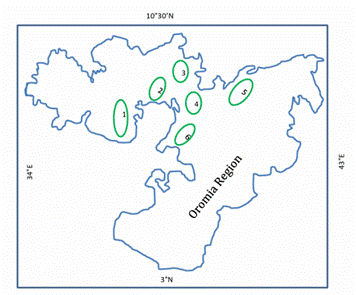
established (Fig. 1). These zones were purposefully selected to address the
region's aquaculture potential areas. Representative districts and fish ponds
from different agro-ecologies in each zone were randomly selected for sampling
based on information from the Zonal Agricultural Offices. Most of the ponds
covered in this study were prepared specifically for fish culture.
Figure 1. Map of study sites by Zone, 1= Jimma,
2=Southwest Shoa, 3= North Shoa, 4= East Shoa, 5= West Harargie,6 = West Arsi
Selection of the
sample ponds
Fish ponds are found in most of the
Oromia Zones. The study zones were selected based on the availability of fish
ponds, the relative peace and security of the area, and site accessibility.
Representative ponds were selected in each zone for this assessment. In Adama
district of East Shoa Zone, the assessment was made on reservoirs initially
prepared to store water for irrigation of the sugarcane plantation at Wonji
sugar factory. These ponds are larger in size, ranging from 1 ha to 5 ha, and
are filled with water from the Awash River downstream of the Koka
Hydro-electric power station. The Awash water harbors many fish species that
can migrate to the Wonji ponds along with the irrigation water. However, the
reservoirs selected for this assessment were those stocked with fish
fingerlings for aquaculture production.
Data Collection
Histories of the fish stocks were
collected through questionnaires from the pond owners. Pond dimensions and water
physicochemical parameters were measured on-site (in situ). Fish weight-length
data and biomass estimates were obtained by sampling the fish from the ponds
using narrow-meshed nets.
Fish
growth is influenced by several factors, primarily food (primary productivity),
water chemistry (conductivity, TDS, pH), and water temperature. Productivity
was estimated by measuring Secchi depth (transparency) on the spot in each of
the reservoirs. Water physicochemical parameters, including temperature,
conductivity, total dissolved solids (TDS), salinity, and temperature, were
measured using a portable multi-meter for conductivity/TDS/salinity.
Fish
were sampled from each of the Wonji reservoirs using a 25 m long, 2 m deep
seine net with a stretched mesh size of 4 cm (for total biomass estimate) or a
standard seine net of 50 m length, 2 m depth, and 8 cm stretched mesh size,
hauled over 20% to 100% of the pond area depending on the reservoir/pond size.
In other subsistence ponds, fish were sampled using a fingerling seine net, and
the range of fish sizes was measured to estimate potential fish growth in the
ponds.
Fish
species were identified, their lengths measured on a measuring board, and their
individual weights measured on a sensitive balance accurate to 0.01g.
Data analysis
The
data were summarized and presented in tables and figures descriptively.
RESULTS AND
DISCUSSION
Quantity of fish ponds and their distribution
According to secondary data from the
Oromia Agricultural Office (2023), there were 1,119 fish ponds in the Oromia
Region. The reports on fish production and the number of fish ponds were not
well organized, leading experts at the regional level to estimate that the
actual number of ponds exceeds the reported figure.
Although
the distribution of ponds in the Oromia region was not well organized and
documented, the current survey indicates that Jimma Zone reported the highest
number, with over 227 aquaculture ponds, followed by North Shoa with 55 fish
ponds, East Shoa with 26, West Arsi with 19, Southwest Shoa with 11, and West
Hararghe with 11 (Table 1). Though not accessed during the current survey due
to security reasons, East Wollega, West Shoa, Horo Guduru Wollega, West
Wollega, and Guji Zones also have significant numbers of fish ponds.
In
this survey, a total of 349 fish ponds were identified in the six zones
surveyed based on secondary data obtained from their zonal offices (Table 1).
Information from secondary data was used to analyze pond types for 272 fish
ponds. Moreover, a total of 83 fish ponds were physically visited, of which 67
had fish and 16 were dry-out (Table 1). Fish were sampled from 40
representative ponds using seine nets for analysis.
In
East Shoa, Adama district, Wonji sugar factory has 18 water reservoirs for
sugarcane farm irrigation. Six of the reservoirs were stocked with fish, and
local youth were organized as a Common Interest Group (CIG) to manage the ponds
and culture fish. All six reservoirs were sampled during the current
assessment.
Table 1. Fish pond
distribution in Oromia Zones.
SN
Zone
#ponds in surveyed Zones
Number of ponds assessed for:
Remark
Pond size
Agro ecology
With fish
No fish
Sampled fish
1
Jimma Zone
227
227
38
32
4
19
half
of them were supported by NGO or Jimma University
2
South-west Shoa
11
7
7
4
3
4
3
North Shoa
55
6
6
4
2
3
4
East Shoa
26
22
22
19
3
8
Including
irrigation reservoirs in Wonji sugarcane farm
5
West Harargie
11
4
4
1
4
1
55%
of the ponds were dry and had no water
6
West Arsi
19
6
6
5
0
5
Total
349
272
83
67
16
40
In Jimma Zone, three districts were
selected for this study: Kersa, Limu Kosa, and Omo Nadda, known for their
organized fish farming in aquaculture. There were eight Common Interest Groups
(CIGs) engaged in fish farming in Kersa, of which six were functional during
this study. Fish from eleven ponds of four functional groups and one pond owned
by a private farmer were sampled in this district during the current
assessment. Similarly, three ponds from each of the two CIG groups in Limu Kosa
district were assessed.
Each
CIG group in Kersa and Limu Kosa had six fish ponds with an area of about 10m x
15m = 150m². However, two out of six ponds were dry in Kersa-Sombo due to water
supply limitations in the Biftu CIG site in Ankaso PA.
Representative
fish ponds and accessible sites were sampled in Southwest Shoa (Wonchi and
Woliso districts), North Shoa (Shara and Wuchale districts), East Shoa (Adama,
Ada’a, Dugda, and Fentale districts), West Harargie (Gemechis, Tulo, and Doba
districts), and West Arsi (Heban Arsi, Negele Arsi, and Shashamane).
Size of Fish Ponds and Culture Type
A total of 272 ponds were
investigated for their sizes during the current assessment (Table 1). Based on
the FAO (1995) classification of tilapia fattening ponds under semi-intensive
management in Africa, these ponds were grouped into four categories depending
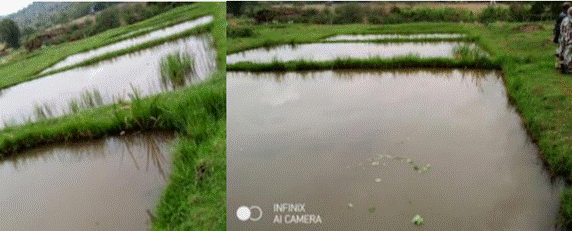
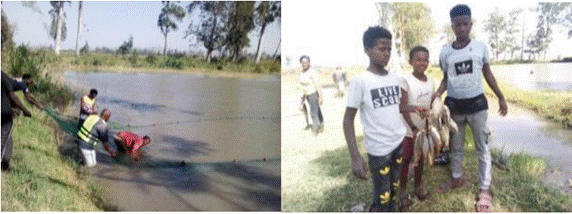
on their sizes (FAO, 1995): large-scale commercial ponds with an area above
1000 m² (Plate 1b), small-scale commercial ponds with an area between 400-1000
m² (not recorded in this assessment), subsistence ponds with an area from 100
to 400 m² (Plate 1a), and narrow ponds with an area below 100 m².
Plate 1a. Subsistence
fish ponds at Ankaso PA, Kersa district, Jimma Zone.
Plate 1b. Large scale
fish ponds at Wonji, Adama district,
East Shoa Zone.
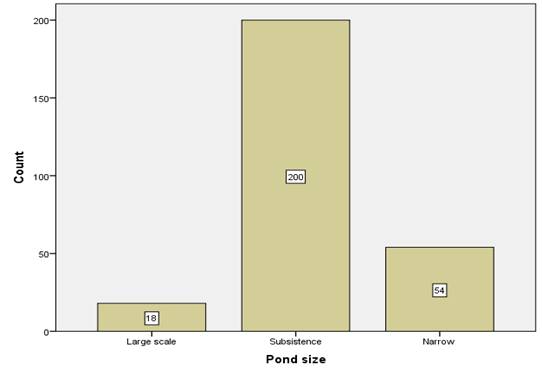
According to FAO (1995), of the 272
fish ponds investigated, 73.5% were categorized as subsistence ponds with areas
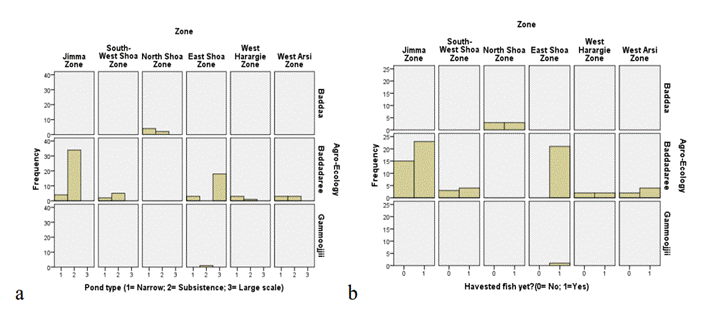
ranging from 100 to 400 m² (Figures 2 and 3a). About 19.9% were classified as
narrow ponds with areas less than or equal to 100 m², and 6.6% fell into the
large-scale category with areas above 1000 m². No small-scale types (401-1000
m²) were recorded. The large-scale types were those constructed as irrigation
reservoirs at the Wonji sugarcane farm (Plate 1b).
Pond
area and depth significantly affect the productivity of fish ponds. Wider and
deeper ponds are more suitable for fish culture than narrow and shallow ponds.
Extension agents from the Oromia Agricultural Development Office advise farmers
to construct standard fish (tilapia) ponds with areas larger than 150 m²
(typically 300 m² and above) and depths greater than 1 meter (usually 1.2
meters).
Figure 2. Frequency of pond sizes in
the surveyed zones.
Integrated poultry-fish-horticulture
production was also reported in this assessment. This farming technique
integrates three different components: poultry production, fish culture in
ponds, and vegetable production into one system. In the integration process,
waste products/by-products from one component are used as inputs for the other.
Poultry waste serves as fertilizer for pond water, promoting algae and
zooplankton growth for fish food; wastewater from the fish pond is used as
fertilized water to irrigate horticulture; and by-products from fish and
horticulture can be used as supplementary feed for poultry. Integrated
poultry-fish-horticulture technology primarily operates at a small-scale and
semi-intensive farming level. Intensive fish farming, requiring specialized
management and technological advancement for each species, may not be suitable
for this integration.
According
to data from the corresponding zones, 30.1% (n=55) in North Shoa, 18.2% (n=22)
in East Shoa, 28.5% (n=7) in South-West Shoa, and 33.3% (n=6) in West Arsi were
integrated with poultry. However, none of these integrated farms had poultry at
the time of this assessment. Farmers reported difficulties managing small-scale
poultry due to feed shortages and disease challenges. It was also reported that
20.8% of poultry-fish integrated farms were functionally effective in the
Amhara region of Ethiopia (Asmare et al., 2020).
The
poultry-fish-horticulture integrated farming technology was evaluated by Batu
Fishery Research (Endebu et al., 2016; Abera, 2017), demonstrated to farmers in
various zones of the region, and shown to be economically feasible and
profitable (Tugie et al., 2017; Getu et al., 2017). This integrated farming
system diversifies farmers’ products. Tilapia yield from integrated ponds
(3,000 kg to 5,000 kg fish per hectare per growing period of 6 months) was
twice as high (three times higher for common carp) as the yield typically
obtained from extensively managed ponds in the region (1,000 kg to 1,500 kg
fish per hectare per 6 months) (Endebu et al., 2016). Moreover, integration
solves the problem of fish feed in small-scale aquaculture, reduces production
costs such as feed for fish and fertilizer for horticulture, and minimizes
space requirements without reducing yield. The extension service for poultry
feed supply and health management should be supported by the government.
Altitude and Fish Harvest History of the Ponds
The Ethiopian land topography ranges
from the lowland of 125 meters below sea level at the Danakil Depression in
Afar to 4,533 meters above sea level at Mount Ras Dashen in Gonder. The ecology
is classified into Dega (highland, known as Baddaa)
with altitudes above 2,300m above mean sea level (m.a.s.l), Woyina-Dega
(mid-altitude, known as Baddadaree)
with altitudes between 1,500 m.a.s.l and 2,300 m.a.s.l., and Kola (lowland,
known as Gammoojjii) with altitudes
below 1,500 m.a.s.l. (Mengesha et al., 2020). The Oromia Region is part of
this, with altitudes ranging from 400 meters above sea level at Melka Bafata
(in the Shebele River basin) to 4,377 meters above sea level at the peak of
Mount Tullu Dimtu in Bale.
Figure 3. Tilapia pond type (a) and harvest history (b)
by Zones and Agro-ecologies.
The fish ponds were distributed
across an altitude range from 1,098 meters above sea level at Gidara in Fentale
low altitude (Gammoojjii
agro-ecology) to 2,664 meters above sea level in Chemeri of Yaya Gulele, and
2,640 meters above sea level at Gora Ketema of Wuchale high altitude (Baddaa agro-ecology). In these ranges,
the survival and final size of the fish were not limited by the existing
agro-ecologies. The majority of the ponds (91.6% of the total 83 ponds
analyzed) were located in mid-altitude (Baddadaree)
agro-ecology, while six were in high altitude (Baddaa) agro-ecology.
The
altitude of an area affects its ambient temperature: lowlands are warm, while
highlands have relatively cold temperatures. Fish growth rates are influenced
by temperature; fish grow quickly in lowlands and slowly in highland areas
where the lower water temperature, below 18°C, does not favor the growth of
tilapia fish (Dereje et al., 2015). Although the growth rate of fish is
affected by temperature—causing fish to take longer to reach market size in
highland areas—the fish in the three sampled highland ponds were large enough
for consumption and marketing. Three of the six (50%) assessed highland ponds
were harvested at least once after their establishment (Figure 3b). In the Baddadaree agro-ecology, 71.4% of the
ponds were harvested at least once, while the one fish pond in the lowland (Gammoojjii) agro-ecology was harvested
several times before it dried up after the owner's death.
As
the altitude of the pond location increases, the success of the aquaculture
farm decreases, even to the extent that some farms may not harvest fish at
least once after establishment. While farmers expect to harvest their fish in a
short time, fish grow slowly in the cold temperatures of highland ponds,
leading farmers to abandon the ponds eventually, causing the system to
collapse.
Water Suitability Test for Fish
The water quality parameters at the
sampling sites were within the range that supports fish growth. Wonji
reservoirs and fish ponds in Jimma Zone were clustered, while ponds in other
sites were scattered across locations. The measures of water quality parameters
in the clustered fish ponds were found to be within the range supporting fish
growth (Tables 2a, 2b, and 2c).
Table 2a. Water
quality parameter values in fish ponds of East Shoaand West Harargie Zones.
Parameter
Adama district of East
Shoa Zone
West Harargie Zone
minimum
Maximum
Average
minimum
Maximum
Average
Secchi
depth (cm)
6.00
16.00
11.75
19
Conductivity
(µS/cm)
345.00
386.00
370.50
435
TDS
(mg/L)
99.80
264.00
226.97
285
Salinity
(ppt)
0.17
0.19
0.19
0.19
Water
temper. (0C)
19.30
24.00
21.82
18
22
19.75
Table 2b. Water
quality parameter values in fish ponds of Jimma Zone.
Parameter
Kersa district
Limu Kosa district
minimum
Maximum
Average
minimum
Maximum
Average
Secchi
depth (cm)
6.00
16.00
11.75
9
18
14.7
Conductivity
(µS/cm)
345.00
386.00
370.50
36
52
44
TDS
(mg/L)
99.80
264.00
226.97
23
34
28.3
Salinity
(ppt)
0.17
0.19
0.19
0.02
0.03
0.02
Water
temp. (0C)
19.30
24.00
21.82
24.6
27.0
25.65
Table 2c. Water
quality parameter values in fish ponds of North Shoa and South-west Shoa Zones.
Parameter
North Shoa
South-west Shoa
minimum
Maximum
Average
minimum
Maximum
Average
Secchi
depth (cm)
24
58
38.3
14
40.5
31.7
Water
temp. (0C)
18.2
20.5
19.38
21
26
22.25
Water temperature ranged between
19°C in shaded ponds and 24°C in open ponds, which can support the growth and
reproduction of the existing fish species. Pond water in Wonji was turbid
(11.75 cm), but it can still support fish growth, as fish grow in Lake Koka
with similar turbidity levels. Electric conductivity, TDS, and salinity were
also not limiting in the ponds surveyed.
Fish species
The stocked fish species in the
sampled ponds included Oreochromis
niloticus alone (40 ponds with Tilapia monoculture = 48.2%), Clarias gariepinus alone (Catfish
monoculture = 1.2%), or mixed with African catfish and common carp (polyculture
= 31.3%). Sixteen ponds (19.3%) were dry out of the 83 visited ponds. Fish can
grow to sizes over 300g in well-managed ponds, as evidenced by individual fish
reaching larger sizes in such environments.
In Wonji reservoirs, thousands of O. niloticus fingerlings were stocked
into the six reservoirs assessed in the current survey. However, fish diversity
in the reservoirs was similar to the diversity in the feeder river Awash and
Koka Reservoir upstream.
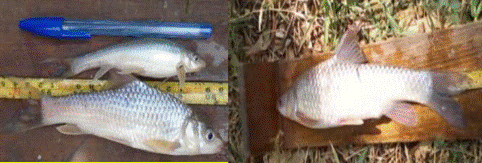
Five
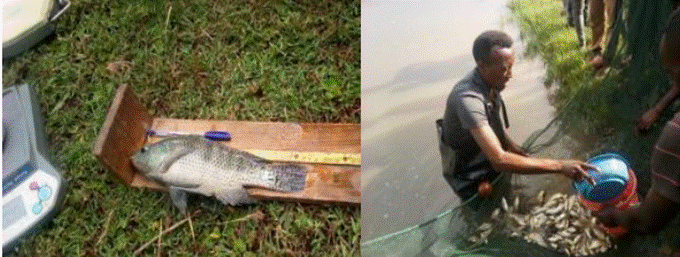
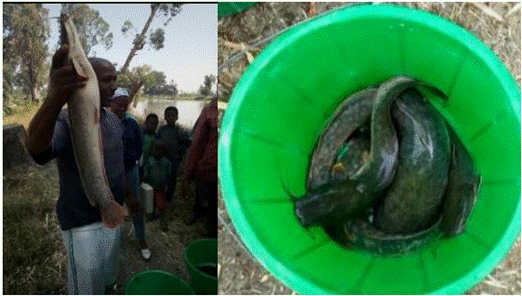
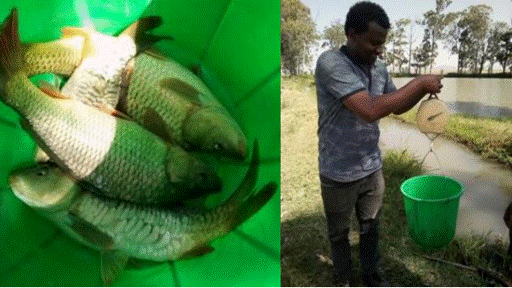
commercially important fish species (Plate 2a-2d) were found in the Wonji
reservoirs during the survey, namely Nile tilapia (O. niloticus), African
catfish (Clarias gariepinus), common carp (Cyprinus
carpio), Barbus (Labeobarbus
intermedius), and Zilli (Coptodon
zillii). Most of the catch was Nile tilapia (Qorosoo), which constituted
over 75% by weight. African catfish (Tikure or Ambaza) constituted about 12%,
while common carp (locally called Samu’el) constituted about 10-15%. Barbus was
few in number and smaller in size, which did not exceed 2% of the catch.
Coptodon zillii was also rarely found in the reservoirs.
Plate 2a: Nile tilapia
(Oreochromis niloticus) from aquaculture
pond at Kersa district, Jimma Zone.
Plate 2b:African catfish (Clarias gariepinus, locally called Tikure or Ambaza) in catch of Wonji
reservoirs.
Plate 2c: Common carp
(Cyprinus carpio, locally called Samu’el) in catch of Wonji reservoirs.
Plate
2d: Labeobarbus (L. intermidus) in
the catch of Wonji reservoirs.
The organized local youth in Wonji
were not effectively managing the fish ponds and did not efficiently utilize
the fish. The fishing group at Camp-10, R-2 reported frequent fish harvests
from the reservoir every 2-3 months since last year, but they did not record
harvest data. The other organized groups in Wonji had no history of fish
harvesting or fish management practices. Instead, local people reported illegal
fish catches from the reservoirs by poacher fishermen.
The smaller proportion of tilapia
fish in the catch from Wonji ponds during the current survey, despite the
number stocked, was mainly due to the escape of the stocked fish through the
open inlet and outlet canals. In Jimma Zone, the fish catch consisted entirely
of Nile tilapia; no other fish species were introduced.
Generally,
all the fish farms visited during the current assessment were extensive and
poorly managed. It is possible to intensify the fish farms by applying
fertilizers and monitoring the pond water quality. The level of intensification
can improve the productivity of fish in a unit area. For example, China
harvests 15 tonnes/ha of tilapia per crop, while the tilapia yield from pond
farming in Africa (mainly at a semi-intensive level) is less than 5 tonnes/ha
per crop (FAO, 2017).
Socio-economic benefits of the fish
farms and good practices
The community living around fish
farms and the pond owners were aware of the nutritional value of fish. Farmers
in Jimma Zone shared harvested fish among members for home consumption,
contributing to the nutritional security goals of the country.
Fingerlings
produced in the ponds were sold to other farmers and/or organizations to
generate income in Jimma Zone.
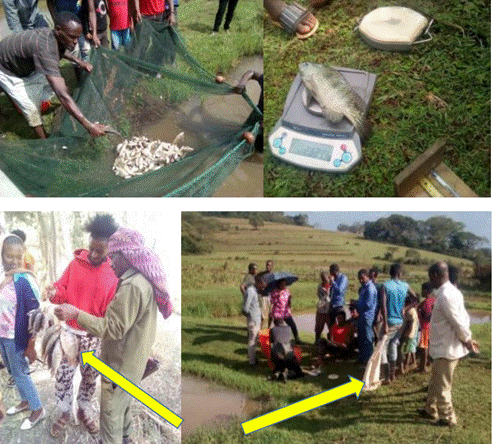
Fish
have grown to marketable sizes (Plate 3) in many ponds regardless of the
ecological category of the pond sites. Tilapia grew to a maximum size of 513 g
at a highland pond in Wuchale two years after stocking, 305 g at mid-altitude
in Limu Kosa, Jimma, and 465 g at Wonji reservoir (mid-altitude). The harvest
history from these ponds was not recorded to estimate the fish growth rates and
compare their yield. However, the larger fish found in ponds not yet harvested
demonstrate the potential of the ponds to harbor fish, even in high-altitude
ponds, though the culture period is long.
The
habit of eating fish is expanding among the communities in areas where fish
ponds were established.
Plate 3: Big sized
fish harvested from the ponds (upper) and Local community competing to buy fish
from the cooperatives (lower; photos during the survey).
Weaknesses Observed at the Fish Ponds
Shallow Depth
of the Ponds
Out of the 83 physically visited fish ponds, 16 (19.3%) were dry and not
functional. These dried ponds were primarily due to a shortage of water supply
and improper pond design and construction, which did not consider the
availability of a year-round water supply. Of the ponds containing fish, a
total of 65 ponds were measured for their water depths, and only nine ponds
(13%) had the recommended depth of 80 cm or deeper. Many of the ponds in Kersa
district of Jimma Zone were shallow, with an average depth of 40 cm, whereas
the minimum pond depth recommended for tilapia growth is 80 cm. None of the
ponds investigated met this recommended depth. Shallow ponds do not promote
fish growth; instead, the fish are vulnerable to predators, experience stress,
and are forced to reproduce excessively to replace themselves, resulting in
stunted growth.
Absence of
Screens to Prevent Fish Escape
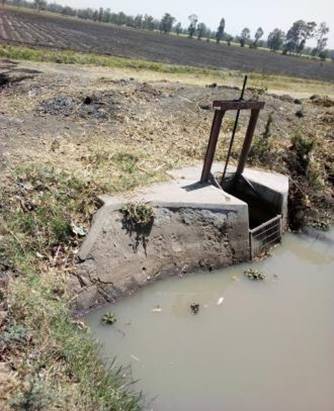
Reservoirs in the Wonji sugarcane plantation lack screens to
prevent fish escape at their outlets and/or inlets. Of the six reservoirs
examined, only one had a mesh screen (Plate 4) at its outlet. This screen was
observed in just one of the twelve required sites (8.3% of the inlets and
outlets) needing mesh screens. The irrigation workers at the plantation do not
support using mesh screens, as they restrict the flow of irrigation water out
of the reservoir. Consequently, the stocked tilapias may have escaped through
the inlet and outlet canals. Similarly, many (83.3%) of the observed fish ponds
in Kersa district of Jimma Zone lack proper outlets. However, the fish ponds in
North Shoa and Limu Kosa of Jimma Zone have better-protected outlets and inlet
canals to prevent fish escape.
Water enters the ponds via inlet canals and leaves via
outlet canals with overflow systems, which lack mesh screens to prevent fish
escape. The fish have the opportunity to escape from the ponds when they are
full and excess water overflows, especially during the rainy seasons.
Plate 4: Outlet canal
with mesh wire in Wonji reservoir, preventing escape of adult fish only.
Shadow of Trees
Surrounding the Reservoirs Restricted Pond Productivity
Most of the reservoirs in Wonji are shaded by surrounding
eucalyptus, pines, and other trees on their edges. While trees help stabilize
the soil on the dike and bank of the reservoirs and serve as windbreaks in the
sugarcane plantation, minimizing cane lodging by wind, they have drawbacks for
fisheries. The shade reduces the primary productivity of the water, which is
crucial for natural fish feed. Additionally, large trees that fall into the
reservoirs obstruct access to fishing. Typically, fish are harvested by hauling
a beach seine from corner to corner of the reservoirs.
Lack of Inputs
Such as Fishing Nets, Feed Supplements, and Pond Fertilization
Feed is one of the limiting factors for fish growth. Fish in
ponds require feed supplements, but none of the surveyed fish ponds in Adama,
Kersa, and Limu Kosa districts were supplemented with feed or fertilized with
any fertilizer sources. Many fishermen mentioned limited access to fishing nets
for harvesting fish from the ponds.
Overall, due to these limitations, most (83.1%) of the observed
fish ponds were not functioning effectively.
Knowledge and
Skill Gaps Among Fish Farmers
The farmers have limited knowledge of fish pond management.
They lack skills in water quality monitoring, fish feeding, general pond
management, and fish harvesting.
Conclusion
and Recommendations
Fish can grow to sizes over 300g in well-managed ponds, as
evidenced by individual fish reaching larger sizes in all the surveyed environments.
Farmers have started consuming fish and have developed an interest in fish
farming. Some fish farmers have begun generating income by selling fish
fingerlings and food fish, in addition to home consumption. This interest and
initial success give hope for the development of aquaculture in the region to
contribute to nutritional security for poor farmers. However, fish pond
management among some fish farmers was very poor where fish often escape from
ponds through open inlet and outlet canals. Pond water depths were very
shallow, stressing the fish and limiting their growth where most (83.1%) of the
observed fish ponds were not functioning effectively. These knowledge, skill
and input supply gaps challenged development of fish culture in Oromia region. These
problems are technical and can be resolved as follows:
Farmers
need training on pond construction, management, and feed supplementation
for their fish farms.
Experts
should guide fish pond construction from the early site selection stage to
fish stocking.
Regular
monitoring of the ponds by experts is required to help farmers correct any
pond management issues that arise.
Farmers
should also receive assistance from agricultural offices to obtain fish
seeds and training to make and mend their own fishing nets
REFERENCES
Abegaz H (2015). Fish production from the
perspective of Development Goals of Ethiopia, pp 5-16. In: EFASA 2015, Proceedings of the VIIth Annual
Conference and Workshop of EFASA, 7-8 Feb 2015, Arba Minch, Ethiopia.
Abera
(2017). Evaluation of integrated
poultry-fish-horticulture production in Arsi Zone, Ethiopia. Int. J. of Fisheries and Aquatic Studies,
5(2): 562-565.
Asmare E,
Mohamed B and Mulugeta H (2020). Assessment of Integrated Aquaculture
Intervention System in Amhara Region, Ethiopia. Ethiopian J. Economics, 28 (2).
Dereje D., Devi L.P., Sreenivasa V., and Abebe
Getahun (2015). The growth performance of Nile Tilapia in earthen ponds located
at different altitudes of TokeKutayeWoreda, Ethiopia, Int. J. of Aquaculture, 5(34): 1-7. DOI: 10.5376/ija.2015.05.0034
Endebu M,
Tugie D and Negisho T (2016). Fish growth performance in ponds integrated with
poultry farm and fertilized with goat manure: a case in Ethiopian Rift Valley. Int. J. Fishery Sci. Aquac.3(2): 40-45.
FAO
(1995). Pond construction for freshwater fish
culture: building earthen ponds. Simple
methods for aquaculture. FAO Training Series (20/1): 355 p
FAO
(2017). Social and economic performances of tilapia farming in Africa. J. Cai,
K. Quagrainie and N. Hishamundaeditors.
FAO Fisheries and Aquaculture Circular No. 1130, Rome.
Getu D, Amare F, Berhanu T, Kinfo H and Terefe T (2017). Evaluation of
Integrated Fish Farming with Chicken and Vegetables in Silte District of
Southern Ethiopia; Advance Res. J. of
Multidisciplinary Discoveries.17.0 (C-5):20-27.
Tugie D (2010). The aquaculture boom in the West Shoa Zone, Oromia,
Ethiopia. In a proceeding of
second national conference of the Ethiopian Fisheries and Aquatic Sciences
Association (EFASA). February 20-21, 2010, Bahir Dar. Ethiopia.
Tugie D, Endebu M, Hailu D, and Lema A (2017). Screening of Oreochromis
niloticus strains for their important production traits in high stocking
density and low CP feed quality without aerating devices in concrete Tanks,
Batu, Oromia, Ethiopia.
Cite this Article:Megerssa, E; Daba, T; Nanecha, B (2024). Aquaculture
Development in Oromia: Distribution, Status, and Challenges of Fish Ponds. Greener
Journal of Agricultural Sciences, 14(3): 171-181.